

Saving sidestreams
In 2023, the EU’s fish processing industry generated almost US$ 32.7 billion in annual revenue, and yet typically, over half of the weight of a fish ends up as sidestreams that never reach consumers, as they are discarded or used for purposes such as feed or fish oil. Meanwhile, the volume of processed fish in the EU is high. In Finland, for example, 56 million kilos of fish was processed in 2023, while the country faces an array of challenges when it comes to processing, such as high costs and pressure from stricter environmental regulations.
However, applying the right technology to process sidestreams and produce new products or ingredients can help to cut waste and add value. One example of such an initiative is Finnish food technology firm Hailia, which has partnered with Finnish fish processors Kalavapriikki and Hätälä to launch new food products made from salmon and rainbow trout sidestreams.
According to Hailia, the initiative is key to addressing inefficiencies in the seafood industry and could transform global food systems.
“The Baltic herring is the most fished species in Finland, but only 4% of it ends up on consumers’ plates,” Michaela Lindström, CEO and Founding Partner of Hailia, told WF. “Most is used to produce fish feed or animal feed. At the same time, Finnish people tend to eat a lot of canned tuna. This meant that we were catching species like Baltic herring, shipping it to countries like Australia where it’s fed to tuna, then importing that tuna. This was our starting point. My team and I have a background in plant-based protein, and we understood the need for a low-priced seafood product that is easy to use, not just for consumers but also for the food industry. Fish filleting sidestreams are ideal for producing such a product.”
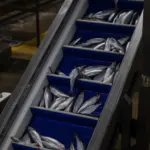
With the global demand for seafood products expected to rise by over 50% by 2050, Hailia’s initiative shows that much can be gleaned from an untapped produce that is already available. The company’s technology is based in a production facility in Karkkila, and produces a homogenised paste from fish sidestreams, including heads, frames, fins and cut-offs including the bones.
Salmonid focus
With novel technology and equipment, Hailia’s system stands out because it recreates the distinct, familiar, cooked fish fillet-like texture, offering a natural product that can be used in various culinary applications. The homogenised paste is cooled and can be further processed into different product concepts, such as pulled fish, fish sticks and even canned fish.
Hailia is currently working with salmon and rainbow trout, and together with its partners, has introduced eight new food products to the market, utilising filleting sidestreams from both species. The products fall into four categories: fresh, frozen, ambient, and ready-meals.
Sidestreams from white fish and pelagics have also been used, while the technology has the potential to work on other species such as seabass and tuna.
Because they are packed with good omega-3s, oils and natural minerals, the idea is to ensure that the sidestreams aren’t wasted, said Lindström.
They are nutritionally similar to fish fillets and offer the same health benefits, she said, while Hailia’s technology gives fish processors as much value as possible from their sidestreams.
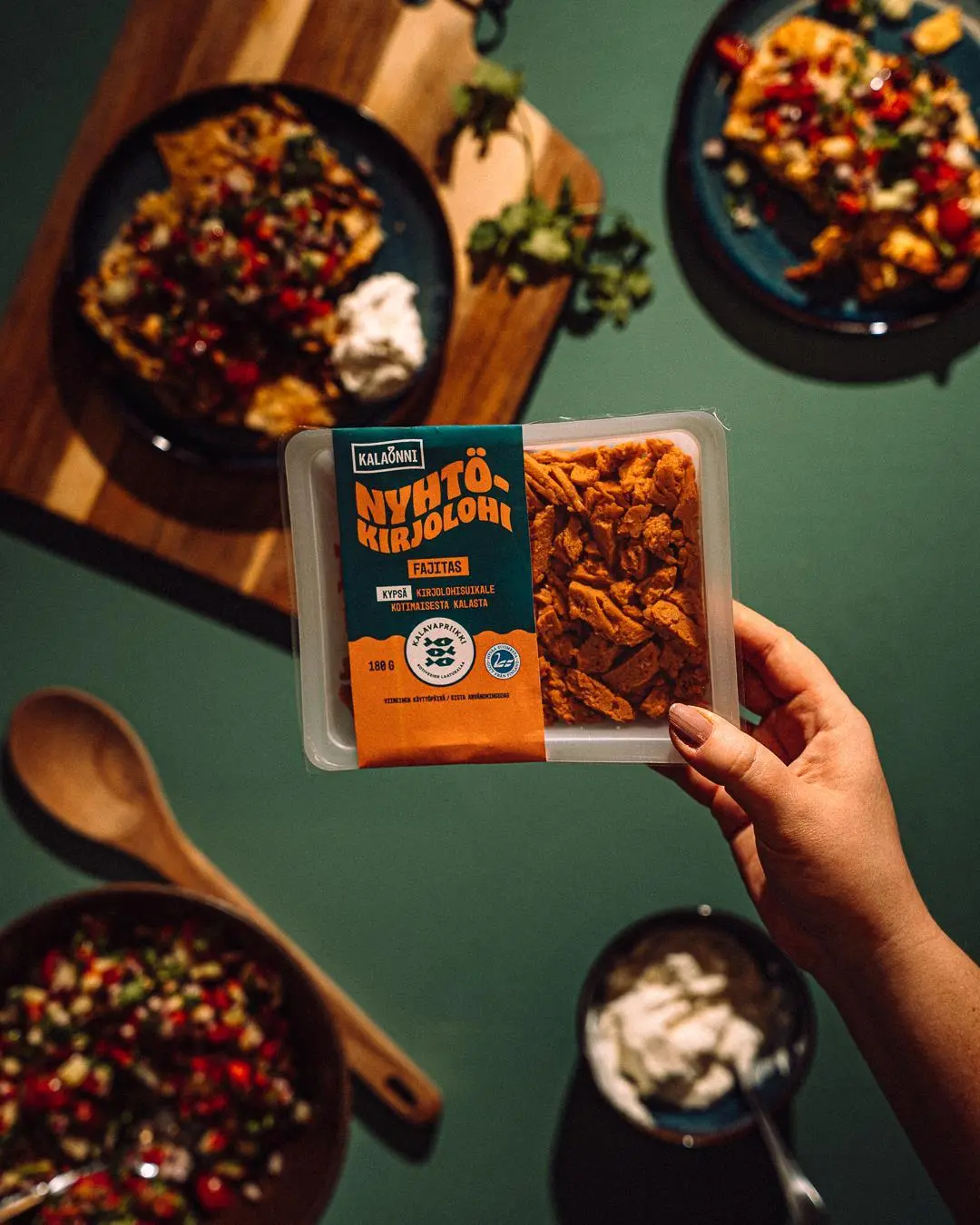
To date, Hailia and Kalavapriikki have produced a product called Nyhtökirjolohi, or pulled rainbow trout, from rainbow trout sidestreams, while Hailia and Hätälä have been upcycling salmon sidestreams to create easy-to-use, affordable ingredients for the food industry.
“Having tools to upcycle sidestreams to food broadens fish processors’ core business and product portfolio with more affordable and convenient food product concepts,” said Lindström. “Producing this type of product, rather than selling off their sidestreams to produce feed, is also a way for fish processors to reduce their overall carbon footprint. Our calculations show that the carbon footprint of rainbow trout products made from sidestreams using our technology can be as low as 0.6 kilograms of CO2 per kilogram of food.”
Increased utilisation
Ari Hietanen, R&D and Quality Manager at Kalavapriikki, said that Hailia’s technology is a great way to promote sustainable development by introducing new circular solutions and resource-wise processes.
Kalavapriikki produces a range of fresh and seasoned fish products for the retail market and processed around three million kilos of fish last year. Approximately 80 to 85% of its processing is rainbow trout, while the rest is Norwegian salmon and Finnish lake fishes.
This company, too, has faced issues with its sidestreams over the years.
“Their use must be planned meticulously because of microbial activity and their extremely short shelf-life,” said Hietanen. “If used in food products, they can only be kept for a maximum of around 24 hours, after which they must be discarded. Fish processors need new processes when it comes to preservation and finding distribution channels for sidestreams.
“It can be difficult to find markets for certain parts of the fish, for example belly fat in salmon and rainbow trout. This market doesn’t exist in Finland. We had some buyers in eastern Europe, but the war in Ukraine has changed that. Now, however, thanks to our work with Hailia, 90% of the gutted fish that we process is now edible. Before, it was only 70%. Selling sidestreams for use as feed does have some value, but now our sidestreams can be consumed by the public. That’s a big deal for fish processors.”
In late August 2024, Kalavapriikki and Hailia’s pulled rainbow trout was launched through Finnish retailer S Group, which has a 47% share in the Finnish market.
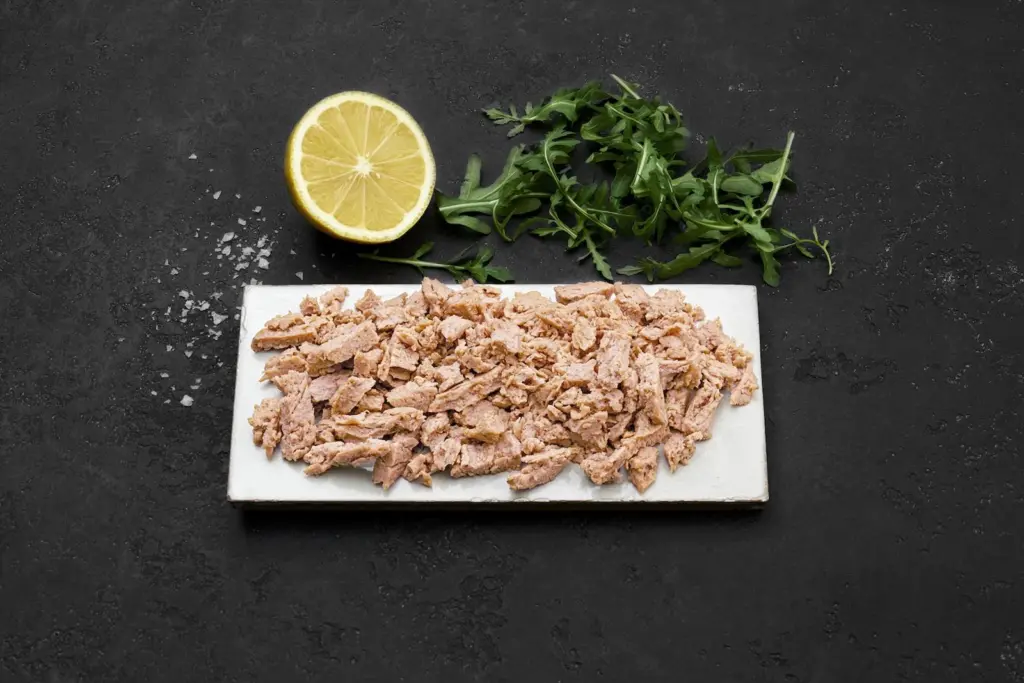
Sold as an affordable, convenient and sustainable fish solution designed for busy weekdays, the product resembles cooked strips of chicken or ham, with a mild taste and the same texture as a cooked fish fillet. It offers consumers a new, healthy protein source at a lower price point, and is easy to use in both home and commercial kitchens.
It has also generated interest for its structure and versatility, which makes it suitable for salads and sandwiches, appealing to busy kitchens and food retailers.
“It’s a cooked product that is extremely versatile and can be used easily in salads, soups, casseroles, and as part of tacos-type dishes,” said Hietanen. “It can be re-cooked, and it doesn’t break or harden when fried. The label describes the product as minced rainbow trout. It’s really easy to use in many different dishes, and the fact that it’s already cooked is extremely convenient. You can use it straight away or eat it as it is from the tray. No difficult preparation is required.”
“The product has a fish content of around 90%,” said Lindström. “From a fish processors’ point of view, they can introduce new products that compete directly with minced meat and chicken strips, tapping into the growing demand for sustainable and cost-effective protein alternatives. Meanwhile, we want to use as much sidestreams as possible because they are affordable compared to other ingredients, and after all, the rest (of the fish) is the best.”
New product development
Through its partnerships, Hailia and Kalavapriikki hope that more consumers will be persuaded to buy products from sidestreams, and that the use of sidestreams will rise in the future.
“In Finland, there has been a long drive to use more fish in the public domain, but the limiting factor is price,” said Hietanen. “Now we have an easy-to-use product made from sidestreams and it costs less than fillets. We are currently developing a new product, and would like to target big kitchens in hospitals and schools next. Those will be important markets.”
“We had a lot of interest in our work last year, and the fish processing industry understands that it needs to look into different options, not in a year or so, but right now,” said Lindström. “We are very happy to see that big industry players are looking into solutions like ours. Sectors such as aquaculture that are also focusing on environmentally-smart solutions, CO2 reduction and sustainable approaches to their business have also been in touch, expressing interest and requesting samples of our products.
“There is a huge opportunity in sidestreams. We don’t need to fish more, and we don’t need to build more fish farms. We just need to use fish in a smart way.”
Related Articles
 PROCESSING & REFRIGERATION
 SEAFOOD
 SEAFOOD