





UK fish processing site reaping benefits of digital transformation
Based in Rosyth, Scotland, Mowi Consumer Products UK produces Mowi-brand salmon as well as supplying major UK retailers with own-label fresh, smoked, ready-to-cook and deli products. Part of Norway-headquartered Mowi ASA, the world’s largest producer of farm-raised salmon, it employs nearly 1,000 people and operates 363 days a year.
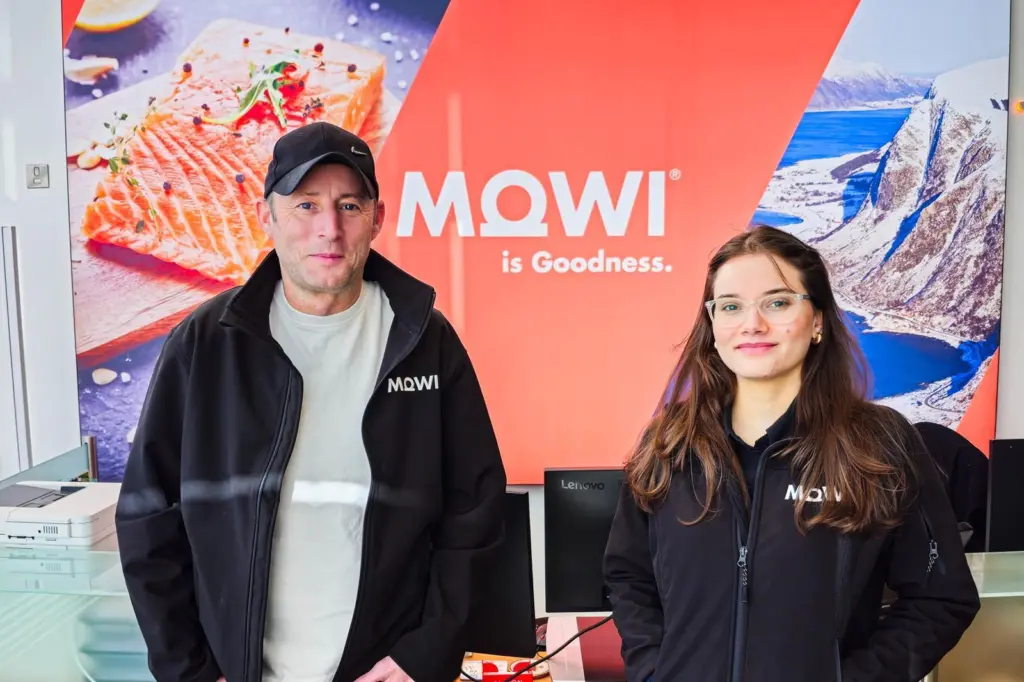
Through a company-wide digitisation initiative, Mowi has cut its paper-based records by 90% using the mobile-first workplace operations platform SafetyCulture, developed by Manchester, UK, based technology company SafetyCulture. With it, Mowi’s aim is to become near-paperless.
Digitisation has also enabled faster processes and increased capacity, meaning the company has more than doubled its product and quality audits to over 7,000 per month, compared to 3,000 when processes were paper-based. Mowi’s data shows a new audit or check is created every five minutes.
Mowi Consumer Products has found that having digital records in the SafetyCulture platform has not only saved employees time, it has also significantly improved traceability, speeding up the retrieval of information within minutes and making evidence easily available for customers and auditors.
It also provides Mowi’s management team with dashboards of real-time frontline data previously locked away in storage, enabling them to identify trends and drive continuous improvement.
The company has achieved AA+ accreditation from the Brand Reputation through Compliance Global Standard for the past four years, the highest rating for food packaging businesses.
According to SafetyCulture, in giving leaders visibility and workers a voice in driving safety, quality, and efficiency improvements, its platform powers over a billion checks each year, delivers approximately 85,000 lessons per day and informs millions of corrective actions. SafetyCulture is currently used by more than 25,000 UK businesses
Building business efficiencies
Commenting on the digitisation drive, Mowi Consumer Products UK’s Senior Quality Manager David Bett said: “We’ve found so many functional benefits from digitising our processes. But the real impact has come from the additional confidence of being able to prove our processes to customers and auditors, and show them the resulting data. That’s really given us an extra competitive advantage and is a contributing factor to retaining our accreditation.”
Mowi’s Anna Giusti was pivotal in introducing the technology while working as a production operator, and worked with SafetyCulture’s team to develop new functionality and reporting.
“In Rosyth, we’re very much a centre of excellence. The company is full of passionate people who invest their time and careers in improving processes, and we’re reaping the benefits of that,” Giusti said. “And the digitisation programme has also enabled me to progress in my career to become a Business Data Analyst, as I’m helping the business become more efficient.”
Giusti told WF that the adoption of the SafetyCulture platform was built slowly “brick-by-brick”, with a lot of time spent sat down with frontline staff, involving key team players, and testing multiple times.
“By showing how the app could genuinely help, momentum started to build,” she said. “Over time, our focus shifted from testing and creation to maintenance and reporting, and the growing demand for insights took us from simple Excel charts to dynamic Power BI reports.”
Asked how SafetyCulture tailored its platform to meet the unique challenges of Mowi’s large-scale fish processing environment, particularly given the volume and complexity of audits and checks required, Giusti explained that Mowi Consumer Products has been actively engaged in SafetyCulture’s events, webinars and community spaces, and the tech company has genuinely listened to Mowi’s feedback and challenges.
“Many of our ideas have shaped new features or creative solutions, creating new opportunities to handle more volume and keep up with growing complexity in our audits and checks.”
With regards to Mowi’s goal to become fully paperless, she said that the SafetyCulture platform has proven to be highly scalable when it comes to integrations, and the only issues to arise have been because other couldn’t integrate, not the platform itself.
“We’re starting to explore sensor (IoT) integrations this year, and the platform feels ready to support that next step in our paperless journey,” Giusti said.
Related Articles
 PROCESSING & REFRIGERATION
 SEAFOOD
 SEAFOOD