


Innovation-centricity – the catalyst for a brighter future
The seafood industry landscape is changing exponentially, which makes it increasingly crucial that processing equipment and solutions providers and their customers focus on introducing those innovations that will enable the blue economy to thrive, according to Siggi Olason, CEO of Optimar AS.
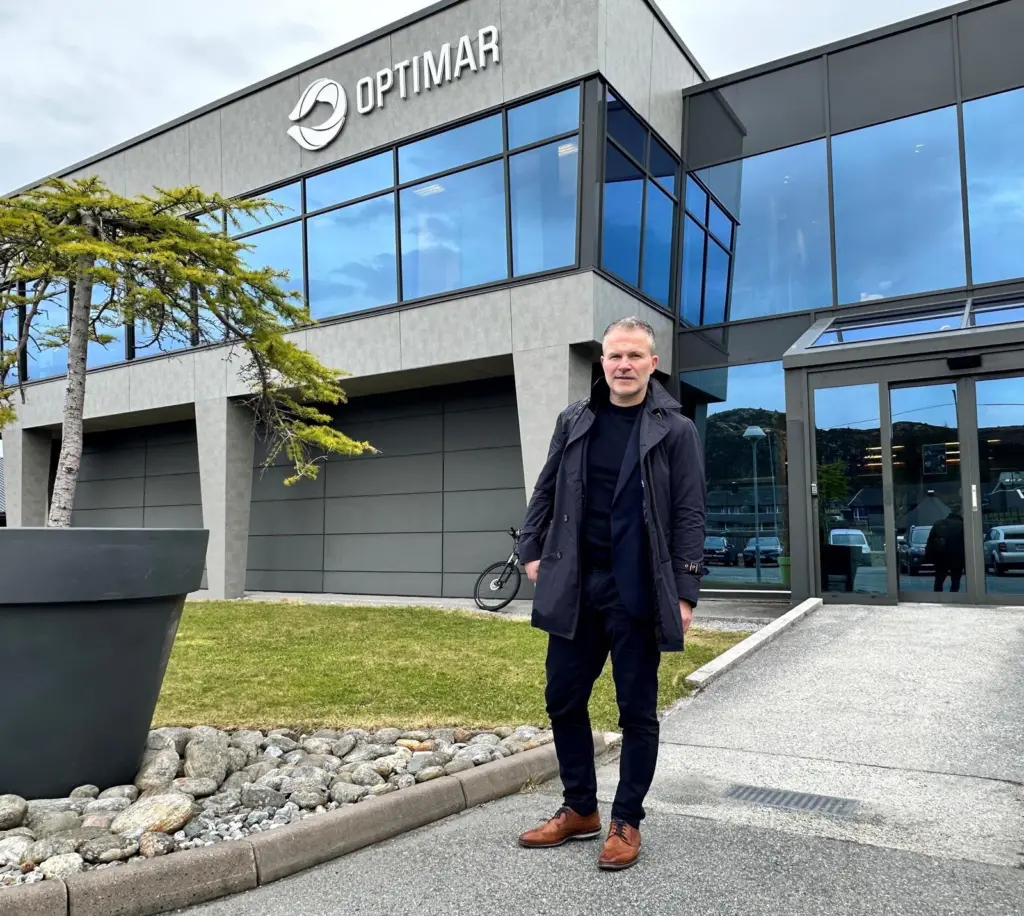
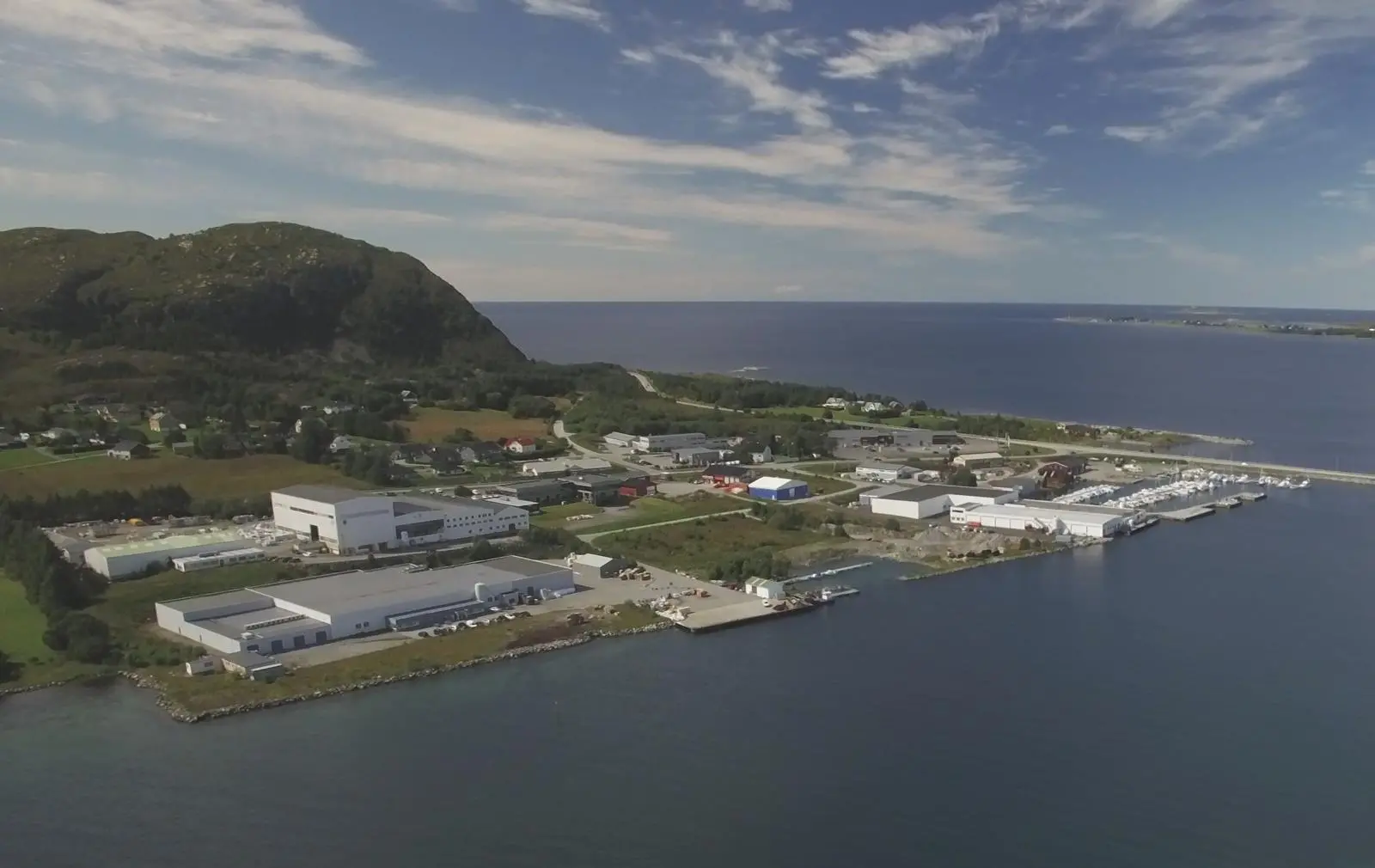
Headquartered in Ålesund on Norway’s west coast, in the heart of the Norwegian seafood cluster, Optimar delivers automated processing systems to customers all around the world for use onboard fishing vessels, in land-based facilities and in aquaculture.
It’s a global company offering solutions that span several different species, but the focus throughout is about where it can contribute to the value chain, explained Olason, who was appointed to the CEO role just over a year ago.
“Optimar has a long history of transforming the seafood industry – it’s been doing it for decades. It built its first onboard fish processing factory 50 years ago, and if you compare the technology used then to what’s being introduced today, you see just how far this industry has come and how much it has evolved. Imagine then, how much more it will change 50 years into the future.” Olason said.
From his very first day in the job, Olason found himself “very impressed with the DNA of the company”, he told WF. “In this industry, to have a licence to operate, you need to be adaptive. That means companies like ours need to have a dynamic workforce, with people that are really on top of what are constantly changing situations and can see the opportunities in those and in the shifting geopolitical situations that we now have. Luckily, we have some really skilled people – workers that are passionate about the industry and who are striving to bring tomorrow’s solutions to our customers today.”
Coming from Akureyri, in the north of Iceland – a region that’s synonymous with the seafood industry – Olason’s career, which has included roles at Marel and Samherji, is deep-rooted in engineering and innovation.
These are the sort of companies that engineers in Iceland go to, whereas in the United States, for example, they go to NASA, Tesla, SpaceX etc, he said.
“For Icelanders and Norwegians, seafood is something that we put great pride into. The industry attracts a lot of the engineering talent and for companies like Optimar, I think the opportunities are tremendous. The way we look at it is that together with our customers we are feeding the world. There are all these seafood companies out there – the fishers, the farmers etc. – that are focusing on the raw materials. Then, through our solutions, the industry can meet the consumer demand. We are one of the key enablers, for them to succeed. That’s why it’s crucial we’re aligned with the operations taking place out in the field, in the industry, so we can focus on where to apply and take future technologies.”
Recognising AI’s role
While Optimar has a long and successful history of winning and delivering contracts to design and build many large installations, it also regards itself as something of an “integrator” in the space, Olason said. This is because it works with and collaborates with its customers to ascertain the right choice of technology for each individual set-up. As such, equipment developed by other providers is occasionally integrated into the overall solution.
“It’s always about giving the customer what they’re asking for. That’s the strength of Optimar.”
One aspect that’s really come to the fore is 100% raw material utilisation, he said. “It’s absolutely right that the industry makes sure it’s utilising all the by-products, and key to that, as always, is a focus on yield and quality. It’s part of the bigger sustainability picture, and technology is big contributor to this.”
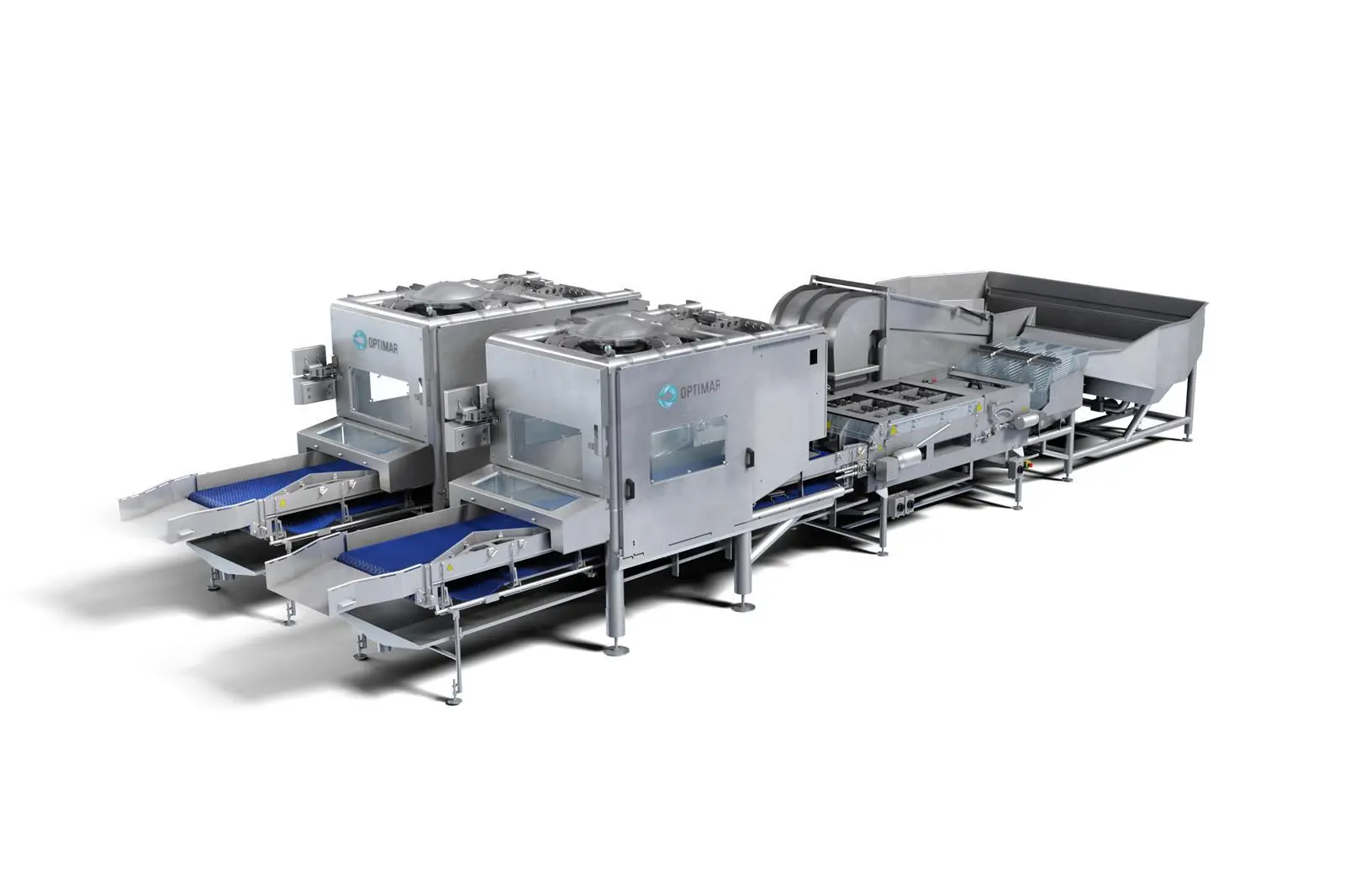
Another key area of progress is fish welfare, and in this regard, Olason highlighted Optimar’s fully-automated Stun & Bleed system. Essentially, this solution provides a more humane way of killing harvested fish, with an electric stunner paralysing them at the same time that they are conveyed to a gill-cutting robot for bleeding. In a control station, operators can verify all the fish have been sufficiently killed as they are moved by conveyor to the next step in the process.
Notably, the stab position on the fish is decided by a computer vision system that calculates where to position the cut based on training data and artificial intelligence. The actual vision system used for this has been modified from one developed by the University of Freiburg in Germany to locate cancer cells in human tissue.
Looking ahead to the seafood industry’s future and to all the companies that are going to succeed, AI – or artificial intelligence – is going to play an increasingly important role, Olason insisted.
“I think that to be part of that bright future, they need to be on top of AI and the fast pace that it’s progressing,” he said. “That’s what we’re doing today at Optimar – making sure we’re on top of AI and all of the vision technologies that have taken a big leap forward in recent times too.”
While there was a hesitancy from the industry in the early days of these technologies, with just a few enterprises fully grasping its potential, that’s no longer the case, he added. “We’re now at the point where everyone needs to adapt. There’s a much stronger realisation of this now; there’s an understanding that if you are not on the wagon, if you are not onboard with the latest technology and won’t utilise it within our sector to gain competitive advantage then you’re not going to be at the forefront of the industry. You are going to be left behind. From our perspective, we intend to work even more closely with our customers and work with them to create the future.
“The power is in the data. With it, we can move into market-driven processing. Data can tell us what the market needs are, and we can fish or harvest from farms accordingly, with the fully-automated solutions and information layers combining to fill in the orders. That’s the direction the seafood industry is moving in.”
Supported by history
But while there’s a strong emphasis on incorporating emerging technologies, and many large, international companies are committed to it, it’s also important the seafood space remains “people-centric” and that decisions are made by people that can be beneficial for humankind, Olason said.
He added that with the seafood landscape extending further still, not least through the multiple directions that aquaculture is taking – in the oceans and on-land, there are a lot of opportunities arising in the industry.
“That’s the challenge for every fish equipment provider. The way we’re looking at it is we’re instigators of change and progress, and if we can’t provide the ideal solution for something ourselves, then we will pull in outside expertise to help us deliver it.
“Again, our history is important. There’s a lot of knowledge and skill within our organisation and an extensive product portfolio in place. I genuinely think it would be very difficult to create another Optimar today: There wouldn’t be the history (dating back to 1915), the knowledge, the experience, the solutions and the support network, or the customer trust. With the momentum the seafood industry now has and the faster and faster pace that new technologies are coming through, it would be difficult to start up.
“When you want to be at the forefront of anything, there are challenges to be overcome, and you will have hiccups along the way. What Optimar has built up over this long history is resilience and our customers trust us. We are not going anywhere, we’re sticking by the seafood industry, we’re fulfilling our promises and fulfilling the needs of our customers. The crucial part of such relationships is that we deliver what we say we’re going to deliver.”
The company also recently announced it has entered into a strategic partnership with Icelandic shipyard Slippurinn Akureyri, with the new alliance aimed at enhancing both companies’ positions in domestic and international markets.
Through the partnership, Optimar and Slippurinn Akureyri will work closely to facilitate service and retrofits of vessels, with strong focus on vessels operating in the North Atlantic Ocean. Additionally, they will leverage each other’s expertise to offer a broader range of products and solutions tailored to the seafood industry in general.
Commenting on the team up, Olason said it reinforces their customer offerings, ensuring their customers will receive the best possible support.
“We have this global challenge, where there’s going to be 10 billion people by 2050. We need to feed all these people, and we need to do it sustainably. Fortunately, we have the blue economy, with the resources to enable a dietary shift to aquatic proteins, produced through wild-catch quotas and aquaculture. It’s crucial that as technology providers we play our part, and that means collaborating and having partnerships. I’m confident that if we all collaborate and cooperate with others, we will get there,” he said.
Related Articles
 PROCESSING & REFRIGERATION
 SEAFOOD
 SEAFOOD