





A pathway to smarter fish processing
Launched last year, Marel’s FleXicut Jet is designed to get small-scale, upcoming processors onboard with the same sophisticated technologies that are at the heart of much bigger operations.
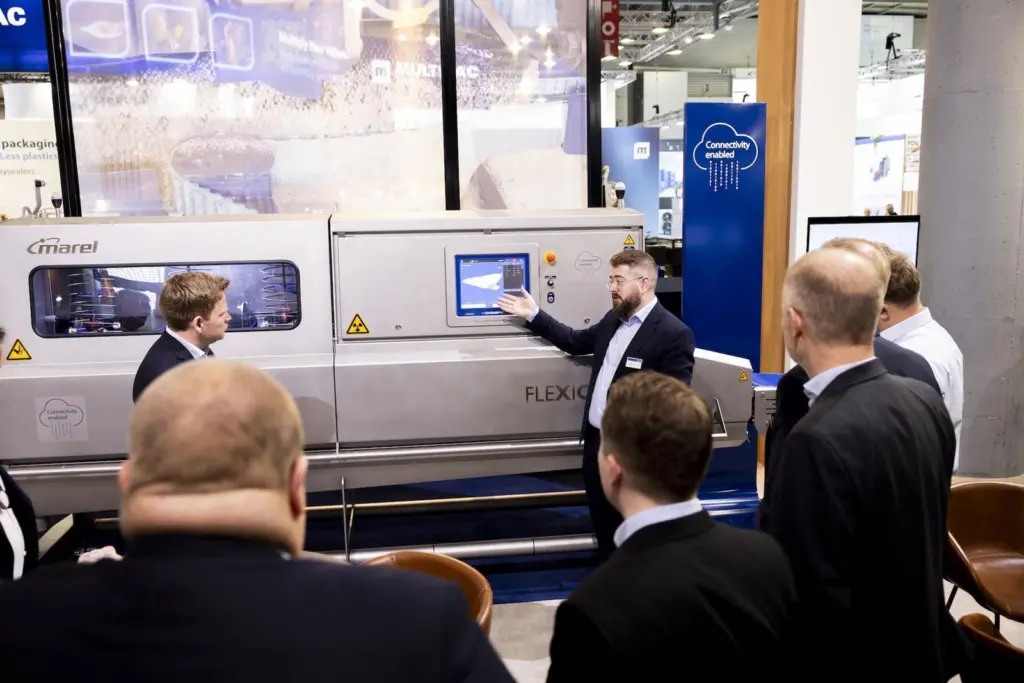
Offering a stepping stone into the world of smart fish processing, Marel’s FleXicut Jet is a new whitefish processing system designed to enhance efficiency, precision and yield. According to Marel’s Fish Product Manager Lead Halldor Thorkelsson it also has a number of attributes that make it an ideal choice for those seafood companies looking to make their first foray into intelligent, software-led processing.
Explaining the solution to WF, Thorkelsson said that FleXicut Jet extends the Marel portfolio by incorporating the same, proven technologies featured in the larger Flexicut machines that have proved successful since their launch around 10 years ago, but here the focus is on supporting processors that are mainly focused on fillet production, mainly in the whitefish sector.
“We’re giving them the opportunity to get into this technology, making it affordable to them through a lower price point than our larger solutions.”
With it, they can process fillets of various sizes and augment their operations by producing high-quality V-cut fillets, loins, and back fillets, he said.
“You can start with your fillets but maybe add J-cuts or expand further into loins. This helps companies build up those markets and makes the return on investment more viable for those smaller operations that may not run eight hours of the day or all year round.”
Optimising lines’ productivity
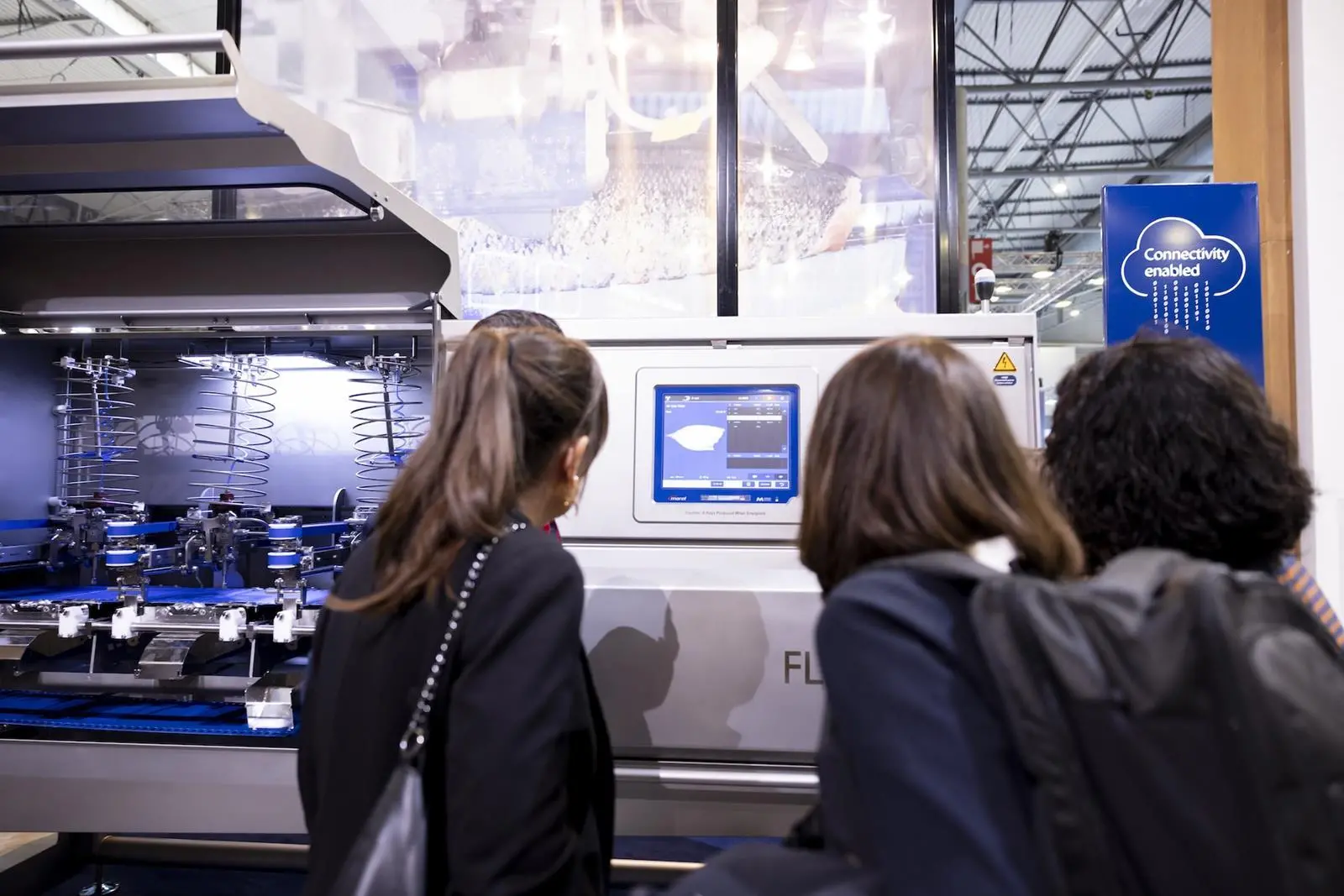
As its name implies, FleXicut Jet uses advanced water-jet technology, alongside intelligent software and X-ray detection, to automate the trimming and pinbone removal process. This significantly reduces waste while improving fillet quality. Capable of processing up to 50 fillets per minute, the system is versatile and adaptable to various fillet sizes and species.
When integrated with FleXisort for automated sorting and real-time monitoring, it can provide a comprehensive solution for seafood processors, optimising productivity and ensuring excellent product quality. Indeed, utilising data from the FleXicut Jet, the FleXisort automatically allocates fillets to various product streams with modular drop- down mechanisms. This process boosts throughput speed, enhances efficiency, and reduces labour needs.
At the same time, its compact design ensures easy integration into existing processing setups, making it a good choice for those looking to upgrade their systems without significant changes to infrastructure.
It is purposely-designed to meet the specific requirements of various producers, including small- and medium-producers, seasonal producers, producers working with skin-on fillets, producers facing gaping issues and processing vessels and freezer trawlers engaged in filleting.
“I believe more and more companies are reaching the stage where they are thinking that if they want to remain competitive with their products, then they need to make investments. With big machines, the return on investment is actually about maximising the loin. This is very similar; the machine maximises the fillet,” Thorkelsson said.
He added that FleXicut Jet’s users benefit from real-time monitoring and control delivered through the AXIN Software module. This provides remote access, tracks performance metrics, and ensures operational efficiency at all times.
FleXicut Jet features high-definition X-ray technology that detects bones as small as 0.2mm. This generates detailed images of each fillet, enabling the system to scan and assess size, shape, density, and weight with remarkable accuracy. The advanced software then utilizes these X-ray scans to determine the optimal pinboning and trimming parameters, ensuring precise and efficient processing.
Extending species application
While processing requirements in markets like Northern Europe often focus on utilising large quantities of whole fish, regions like southern Europe have different demands as they are more focused on fillets, Thorkelsson said. As such interest is high in the seabass and seabream sector. Marel is also testing the water with tilapia and has had huge interest from processors in Brazil, while another machine has been running in Mississippi, US, to explore opportunities with catfish fillets.
“Those programmes are completely different, because there are no pinbones in Catfish species. But catfish have dorsal fins, pelvic fins and then they cut the belly off. They also only produce fillets. It’s very standardised production, but the industry uses heavy manual labour. The processing industry could save about eight people per line in the US, where the wages are significant. Also, the availability of labour in those rural areas is very sparse,” Thorkelsson said.
The application doesn’t end there. Marel has also been evaluating FleXicut Jet’s potential to transform the tuna processing industry.
“It’s giving us a little extra leverage in these new market areas.”
At the same time, working with these new species is enabling Marel to utilise the software in these machines to better understand the composition of these fish, inclusing physical densities and bone structures.
“We’ve actually developed an artificial intelligence-type learning programme for this, with the algorithm learning from a library of pictures illustrating where cutting can take place. Processing customers can look at simulated results and then take a decision from there. It’s initiatives like this that are speeding up the development cycle,” Thorkelsson said.
Related Articles
 PROCESSING & REFRIGERATION
 SEAFOOD
 SEAFOOD