




EXCLUSIVE: Campaigners urge UK fisheries reform
Environmental groups are urging the UK government to strengthen fisheries transparency rules and accelerate efforts to tackle illegal, unreported and unregulated (IUU) fishing as pressure grows for tougher protections of marine ecosystems.
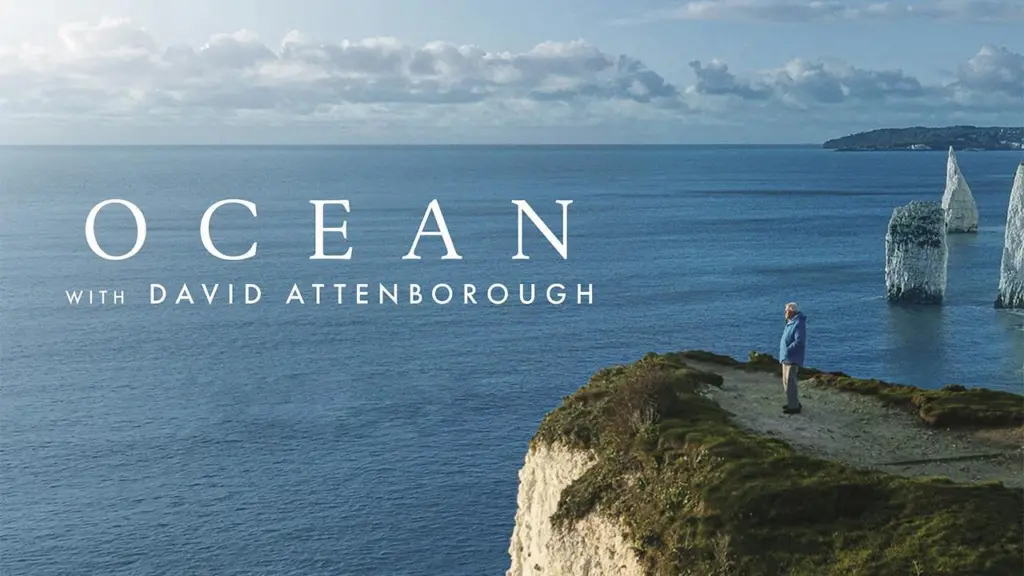
The call comes as conservation organisations seek to use the legacy of broadcaster and natural historian Sir David Attenborough to push for reforms aimed at improving accountability across the fishing industry. Campaigners say around one in five fish caught globally are linked to IUU fishing activities, while nearly 90% of fish populations are already fully exploited or overfished.
The Coalition for Fisheries Transparency, a network of more than 60 civil society organisations, is calling on the UK to fully implement the Global Charter for Fisheries Transparency, a framework designed to improve oversight of fishing operations, vessel ownership and seafood supply chains.
Vivien Deloge, UK coordinator of the Coalition for Fisheries Transparency, said the UK government had already formally backed the charter and should now move quickly to introduce practical reforms.
“The UK Government has given its official support to the Global Charter in Oct 2024,” Deloge told World Fishing & Aquaculture. “We are expecting Daniel Zeichner, as now independent chair of the APPG on Fisheries leading the APPG’s Action Plan for a Sustainable and Thriving UK Industry, to push for the implementation of the charter.”
Campaigners are calling for a series of measures, including stronger vessel ownership disclosure rules, mandatory remote electronic monitoring systems and upgraded seafood traceability requirements.
Deloge said one priority would be improving transparency around vessel ownership.
“It is often difficult to determine who ultimately owns or controls fishing vessels,” she said. “Regulators may lack visibility over the individuals benefiting from fishing licences and quota.”
The coalition is urging the government to require beneficial ownership disclosure when fishing licences are allocated, including for both UK and foreign vessels operating in British waters.
Environmental groups are also seeking wider use of remote electronic monitoring technology, including onboard cameras and vessel tracking systems.
“Proceed with the relevant statutory instrument on inshore vessel monitoring system across all vessels under 12 metres operating in English waters,” Deloge said, noting that Wales had already mandated the technology in 2022.
The organisations are additionally calling for improvements to catch certificate systems used to verify seafood imports and exports. Proposed reforms include digitising catch certificates, increasing verification checks and introducing sanctions for states linked to persistent IUU fishing practices.
The renewed scrutiny follows widespread public reaction to Attenborough’s documentary Ocean, which highlighted the environmental damage caused by bottom trawling, overfishing and destructive fishing practices.
While the Global Charter does not directly address bottom trawling restrictions or marine protected areas, Deloge said the UK was expected to strengthen its international commitments on fisheries governance through ratification of the IMO Cape Town Agreement.
“When the UK ratifies, it will fully comply with Principle 8 by being a party to all three treaties aiming to fight IUU fishing,” she said.
The agreement establishes minimum global safety standards for fishing vessels and complements existing international frameworks covering catch legality and labour protections.
Campaigners say the issue is not limited to overseas waters. Deloge said recent years had seen reports of illegal fishing activity and labour abuses involving vessels operating within UK territorial waters.
“Recent years have also seen serious reports of illegal fishing and human rights violation of crew on vessels operating in the UK’s territorial waters,” she said. “For example, labour and human rights abuses were reported in Scotland.”
Environmental groups argue that improving transparency across fisheries management would not only help protect marine ecosystems but also support legitimate fishing operators and coastal communities facing growing economic and environmental pressures.
Related Articles
 SUSTAINABILITY
 FISHERIES
 FISHERIES