



The Food and Agriculture Organization of the United Nations has published a new technical manual detailing hatchery, nursery and grow-out techniques for the flathead grey mullet, Mugil cephalus, as interest grows in sustainable aquaculture diversification.
The publication, entitled Hatchery, nursery and grow-out techniques for the flathead grey mullet (Mugil cephalus), forms part of the FAO Fisheries and Aquaculture Technical Paper series, No. 699. It compiles scientific research and validated methodologies covering the species’ full production cycle, from broodstock management and captive reproduction through to larval rearing, fry production, nursery operations and grow-out systems.
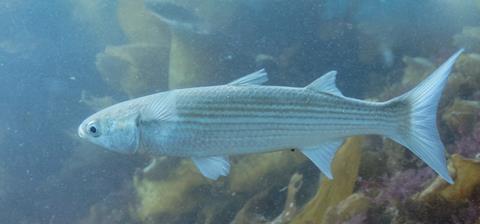
Flathead grey mullet production has increased globally in recent years, reflecting growing recognition of the species’ adaptability, low-trophic feeding habits and commercial potential. According to FAO data, global mullet production is expected to reach 1.07 million tonnes in 2024, with aquaculture accounting for 400,606 tonnes, or 37.4% of total production.
The manual has been developed to support commercial hatcheries and aquaculture operators of varying scales. It includes guidance on hatchery design, operational management, egg incubation, juvenile handling and health management, alongside detailed protocols for live feed production involving microalgae, rotifers and Artemia.
A major focus of the publication is reducing the sector’s reliance on juveniles collected from the wild, which remains a key constraint to wider commercial expansion. FAO highlights the importance of improving hatchery-based seed production and establishing more standardised production protocols to help secure reliable juvenile supplies.
The organisation also identifies the species as suitable for a range of farming environments, including coastal lagoons, semi-intensive pond systems and controlled aquaculture facilities.
Beyond its value as a food fish, Mugil cephalus is also associated with premium products such as smoked fillets and bottarga, a salted and dried roe product with established markets across southern Europe and the Mediterranean region.
The publication supports FAO’s wider Blue Transformation Roadmap and sustainable aquaculture development objectives.