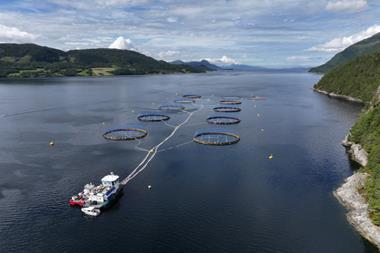




Researchers in Norway are intensifying efforts to farm spotted wolffish commercially in a bid to reduce pressure on declining wild stocks and create a sustainable new aquaculture industry.
Scientists at the Tromsø-based research institute Akvaplan-niva are working to solve the biological and technical challenges that have caused many previous attempts at farming the species to fail.
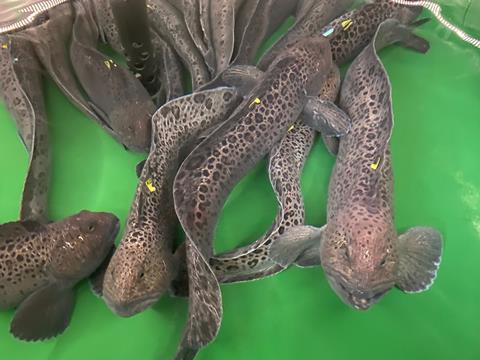
The spotted wolffish, a deep-water species prized for its firm white meat, faces growing threats in the wild from overfishing and climate change. Researchers believe successful aquaculture could help meet rising market demand while easing pressure on natural populations.
“Our prime goal is to develop protocols to increase the survival rates in the early life stages of this species,” said Terese Vollstad-Giæver, research advisor at Akvaplan-niva.
“We have established a full production line from broodstock to juveniles, covering pretty much all that can help optimise it all,” she added.
One of the biggest breakthroughs has come through feed development. Researchers found that standard marine fish feed did not match the wolffish’s natural diet, prompting the creation of an experimental species-specific recipe.
“We quickly experienced a general improvement in both egg quality and larvae survival rates, so we knew this was the way forward,” Vollstad-Giæver said.
The project has now expanded through collaboration with Danish aquafeed producer Aller Aqua, which is helping develop specialised feed formulations for the species.
Florian Nagel, head of research at Aller Aqua, said the company saw long-term potential in the fish.
“We see a strong potential in the species due to its high fillet yield, limited disease challenges, and promising growth performance even at high stock densities,” he said.
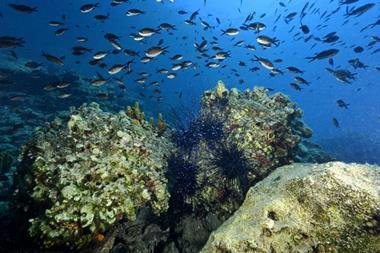
Researchers say farming wolffish could also have wider environmental benefits. Declining wolffish populations have contributed to rising sea urchin numbers in Norwegian waters, threatening kelp forests that support marine biodiversity.
“The sea urchins feed off the kelp forests, where a vast number of fish species rely on their larvae to hide, feed and survive,” Vollstad-Giæver said. “So, no wolffish, no kelp forest. It is a vicious circle.”
Initial feed trials began last November, with the first results expected in 2026.