




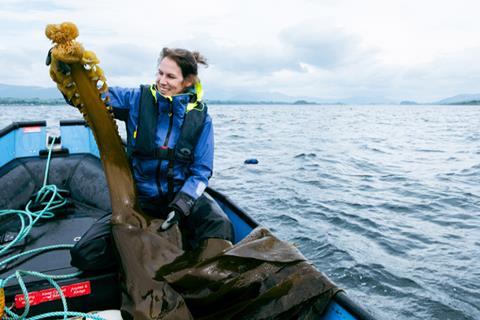
The report, Seaweed farming with and for our coastal communities, outlines six recommendations designed to help policymakers, regulators and developers expand the UK’s seaweed farming sector while building public trust.
“When rooted in coastal communities’ needs and values, seaweed farming can create skilled local jobs and help to build social and economic resilience,” said lead author Dr Suzannah-Lynn Billing.
“Trust in both farm operators and regulators depends on how open and transparent decision-making processes are. Where community engagement, trust and transparency are lacking, seaweed farms may struggle to obtain a social license.”
Meaningful engagement
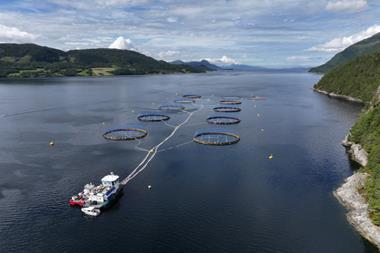
Published in collaboration with WWF-UK and industry partners, the report argues that meaningful engagement with coastal communities is essential if the industry is to capture opportunities in a rapidly expanding global market while supporting marine biodiversity and local economies.
The report highlights that global seaweed farming is projected to become a US$27 billion industry this year, while the European Union aims to expand production by 2030, creating 115,000 jobs in a sector worth €9 billion.
However, the authors warn that economic and environmental benefits alone will not guarantee public acceptance of new developments.
Among the six recommendations are early engagement with stakeholders, integrating local knowledge into site selection, supporting inclusive business models, investing in public awareness, and prioritising developments where communities are supportive.
The findings stem from the National Lottery-funded Unlocking the Power of Seaweed project, which worked with communities in Pembrokeshire and seaweed farms across the UK. Researchers conclude that successful aquaculture development depends on balancing commercial ambitions with community priorities, enabling seaweed farming to deliver long-term benefits for coastal economies, climate action and marine biodiversity.