




Norway has recorded its strongest July on record for seafood exports, with sales reaching NOK 15.6 billion (€1.42 billion), up 13% compared with the same month last year.
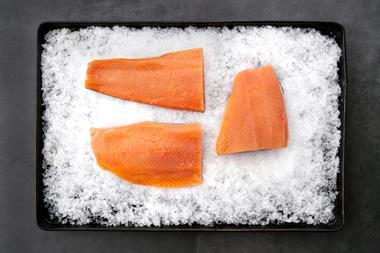
Salmon was the main driver behind the increase, supported by higher export volumes and stronger prices. Rising prices for cod, mackerel and trout also boosted export earnings, despite the stronger Norwegian krone reducing some of the value growth.

Poland, China and the US remained Norway’s largest seafood export markets during the month.
“July was a strong month for Norwegian seafood exports. Salmon drove both increased export volumes and higher prices,” said Christian Chramer, chief executive of the Norwegian Seafood Council.
“A stronger Norwegian krone has put a dampener on value growth, but the strong growth in salmon sales overshadows this effect and ensures that the total export value is rising. In addition, the international attention on Norway in connection with the FIFA World Cup is helping to maintain interest in several key markets.”
Chramer said July’s performance represented the best July ever recorded for Norwegian seafood exports by value, despite ongoing challenges including changing trade policies, quota reductions and currency fluctuations.
China continued to strengthen its importance as a destination for Norwegian seafood, with exports rising 21% to NOK 1.6 billion (€150 million) in July. Salmon accounted for 65% of that total, while year-to-date salmon exports to China have increased 41% in value and 46% in volume.
“China has consolidated its position as Norway’s second-largest salmon market,” said Chramer. “Capacity in the Chinese salmon sashimi processing industry continues to increase, enabling further growth in domestic consumption of salmon.”
Meanwhile, exports to the US declined by 4% in value, although shipments of fresh whole salmon increased sharply. Chramer said improved availability of larger Norwegian salmon suitable for sushi, combined with strong demand and lower supplies from competing countries, may have contributed to the shift in export patterns.