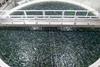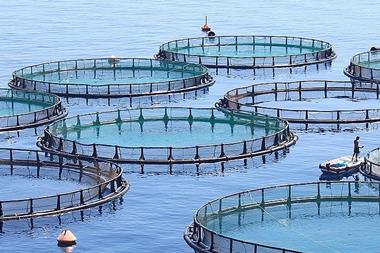




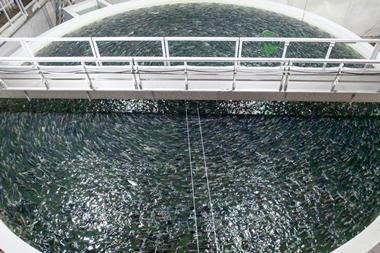
The platform, known as Xinhuan No. 1, holds more than 14 million gallons (64,000 cubic metres) of seawater – equivalent to around 20 Olympic-sized swimming pools – and is expected to produce over 4,000 tonnes of ocean-farmed fish during its first year of operation.
Later this month, the facility will receive approximately three million fish fry, primarily fourfinger threadfin and pearl grouper species. The platform has been divided into multiple farming zones and compartments, allowing fish to be separated by size and supporting rotational farming throughout the year.
“We raise two batches of fish each year, with 2,000 tonnes per batch, adding up to 4,000 tonnes annually,” said farm general manager Li Xihuan, according to Chinese media outlet Bastille Post Global.
“While we focus on raising quality fish, our second line of business is a service model that combines recreational fishing and sightseeing tours.”
In addition to fish production, Xinhuan No. 1 will serve as a tourism destination, offering recreational fishing opportunities and marine sightseeing experiences. Developers say the project is designed to diversify revenue streams while promoting public engagement with offshore aquaculture.
The semi-submersible structure uses a ballast system that allows it to adapt to changing sea conditions and has successfully undergone testing for typhoon resistance. It also features a continuous 24-hour seawater exchange system intended to maintain conditions similar to the surrounding marine environment.
Although Xinhuan No. 1 is China’s largest floating fish farm, the world’s biggest remains Norway’s Havfarm 1 salmon facility, which was originally constructed in China before being transported to Scandinavia.