



De Heus Animal Nutrition has opened a new marine and cold-water fish feed mill in Vietnam, strengthening its aquaculture and aquafeed production capacity.
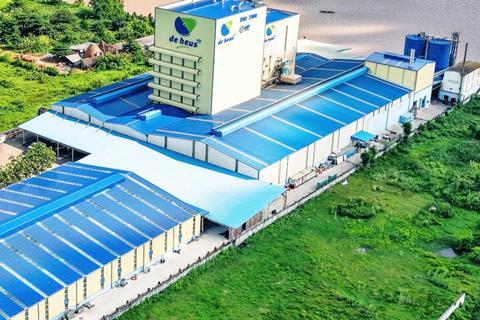
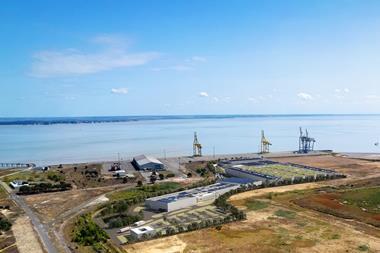
The new facility, located in Vinh Long Province, has an annual production capacity of 168,000 tonnes and is the company’s first mill dedicated exclusively to feed for marine and cold-water fish species.
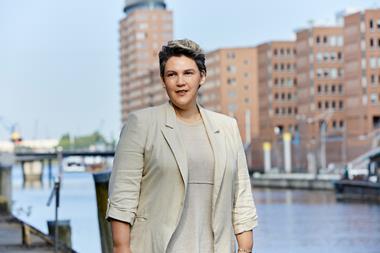
“This investment reflects De Heus’ long-term commitment to marine and cold-water aquaculture,” said Johan van den Ban, CEO of De Heus Vietnam & Asia. “Through specialised nutrition solutions and modern production technology, we aim to help farmers improve performance, enhance product quality and contribute to a more sustainable aquaculture value chain.”
Expanded portfolio
This investment expands De Heus’ aquaculture portfolio, enabling it to supply fish farming businesses in domestic and international markets while supporting the growing demand for high-quality seafood through specialised nutrition solutions.
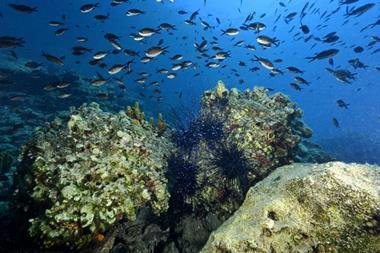
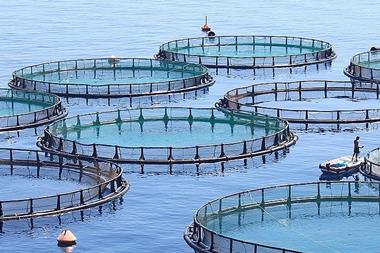
It also positions the company to serve export markets with specialist feed for marine species including sea bass, barramundi and other commercially important fish. By providing tailored nutritional solutions, the facility aims to help producers meet the increasingly stringent quality requirements of global seafood markets.
The mill is equipped with production technology sourced from Europe and the United States and operates to internationally recognised standards, including ISO 22000, ASC Feed and BAP.
The overall aim is to deliver consistent aquafeed quality while supporting responsible aquaculture practices across the fish farming sector.
Sustainability has been incorporated into the design and operation of the mill through measures to optimise raw material use, improve operational efficiency and reduce energy consumption.
De Heus said the expansion reinforces its long-term investment in innovation, sustainable aquaculture and efficient fish farming systems capable of meeting rising global seafood demand.