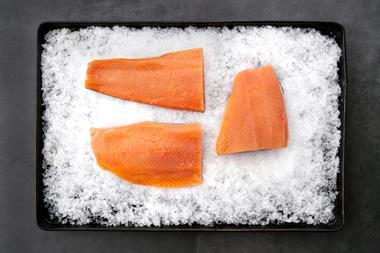





With sushi cementing its place as one of the United Kingdom’s favourite food trends, the Norwegian Seafood Council (NSC) has highlighted the enduring appeal and market potential of raw Norwegian salmon – the nation’s sushi staple and a key growth driver for seafood consumption.
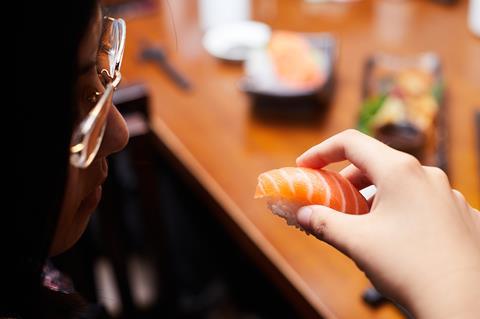
Once considered a niche food, sushi has become a mainstream choice across generations, especially among Gen Z consumers seeking healthy, high-protein and responsibly sourced options. Raw salmon remains the leading topping of choice, with Norwegian salmon continuing to dominate thanks to its quality, taste, and sustainability credentials.
“With its year-round availability and unparalleled quality, Norwegian salmon is a perfect fit for a wide range of meal occasions,” said Bjørn-Erik Stabell, NSC’s UK Director. “Its versatility allows for both cooked and raw consumption – and with Norway holding almost 50% of the salmon market, there is strong consumer trust in its taste and provenance.”
The UK sushi market continues to expand rapidly across retail, food-to-go, and hospitality. Following Tesco’s £5 meal deal launch in 2023, sushi sales at the retailer jumped 90%, overtaking sandwiches and driving sales of 21 million packs annually. In September 2025, Tesco added a new Tesco Finest sushi line, underlining the segment’s premium appeal.
Across the wider market, sushi has grown by £31 million in value and 1,480 tonnes in volume over the past two years (NIQ Scantrack, MAT to June 2025). In food-to-go, sushi is now the fifth fastest-growing segment, up 5.6% year-on-year (Kantar, 2024). The UK’s Japanese restaurant sector, worth £1.6 billion, now includes more than 2,800 outlets.
“Sushi’s growth across retail and foodservice is opening new opportunities for seafood innovation,” Stabell said. “Norwegian salmon’s consistency and freshness make it an ideal choice for chefs and retailers looking to meet consumer expectations for taste, quality and traceability.”
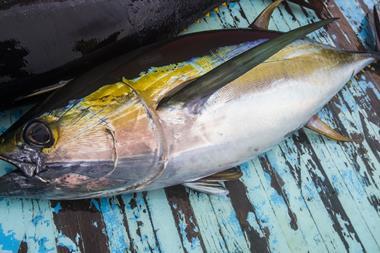
The Hawaiian-inspired poké bowl trend is further boosting demand for high-quality raw fish, with salmon and tuna leading the way. Typically built around diced raw fish with rice and vegetables, poké continues to climb UK food-to-go rankings, with “build-your-own” formats driving engagement.
“Norwegian salmon fits beautifully with the poké trend, offering the freshness and safety consumers expect from raw preparation,” Stabell said. “Alongside salmon, Norwegian coldwater prawns and farmed cod are also poised to play a growing role in this space.”
Norwegian influence
While sushi’s origins are Japanese, the use of raw salmon in sushi can be traced back to Norway’s Project Japan in the 1980s – a decade-long effort to introduce Norwegian salmon to Japan’s seafood industry. By 2000, Norway’s exports to Japan had surged from just 2 tonnes in 1980 to more than 45,000 tonnes annually, cementing its place in global sushi culture.
Today, the NSC estimates that 30% of Norwegian salmon is eaten raw, largely as sushi or sashimi.
“Norway played a crucial role in introducing salmon sushi to the world,” said Stabell. “That legacy continues today – Norwegian salmon represents the gold standard for quality and responsible sourcing, giving UK consumers the confidence to enjoy it raw as part of their favourite sushi dishes.”
According to NSC data, half of UK consumers eat salmon weekly, and 55% cite health benefits as their main motivation. With Norwegian salmon rich in omega-3s, vitamins and lean protein – and backed by strict sustainability standards – the country’s producers are well-positioned to meet growing demand for healthy, traceable seafood.
“Give consumers confidence in quality, and they will reward you with loyalty,” Stabell said. “Raw Norwegian salmon has become synonymous with premium sushi experiences – and that’s a trend that’s here to stay.”