



EMS – eyes on the water
The lack of insight into activities on industrial fishing vessels, particularly those operating in distant waters, poses significant challenges in global fisheries management. Indeed, one of the biggest obstacles to sustainably managing global fisheries is the lack of on-the-water data. The Nature Conservancy estimates that one in every five fish caught comes from illegal, unreported, and unregulated (IUU) fishing, while the vast majority of industrial fishing activities are often left unchecked for compliance with fishery regulations if there are no monitoring systems on board vessels. This results in an uneven playing field for the many law-abiding fisheries around the globe.
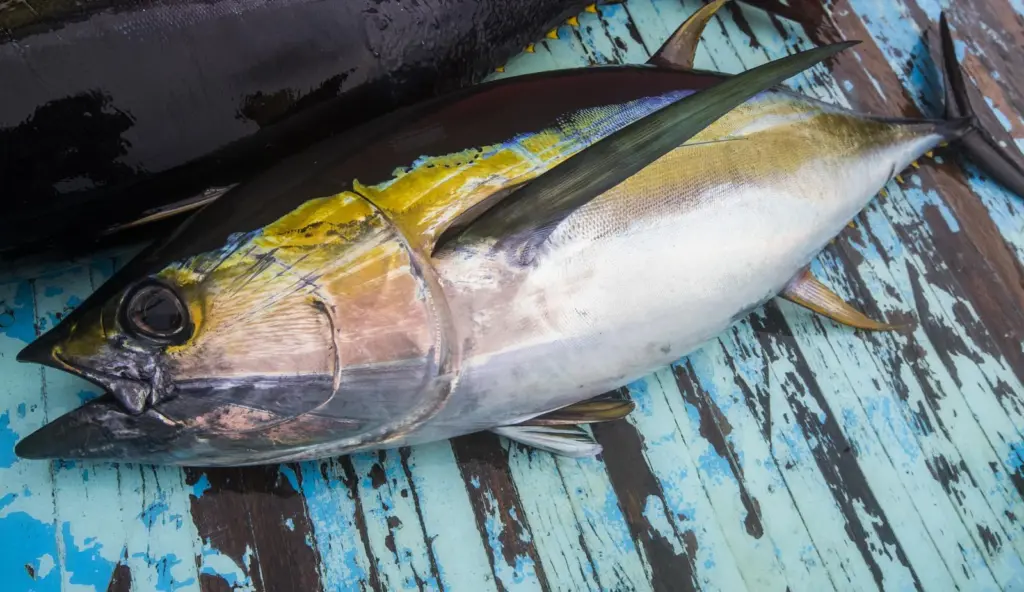
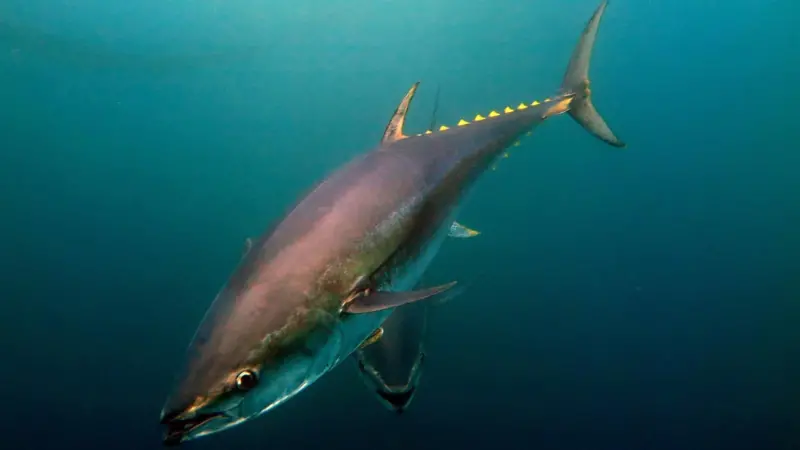
Taiwan represents a significant proportion of the world’s distant water fleet, harvesting highly valuable commercial fish such as tuna that are vital to global food systems. Taiwan also owns one of the largest distant water fishing fleets in the world (China, Taiwan, Japan, South Korea and Spain account for around 90% of distant water fishing activity worldwide.)
However, Taiwanese fisheries face an array of challenges from by-catch, interactions with Endangered, Threatened and Protected (ETP) species, and IUU fishing practices, according to Ho-Tu Chiang, Taiwan Programme Manager who leads the development and implementation of Fishery Improvement Projects (FIPs) and other on-the-water sustainability initiatives in Taiwan for international NPO Ocean Outcomes.
Chiang and his team are working with fishery managers and market leaders to introduce electronic monitoring systems (EMS) – onboard video cameras, GPS and sensors – on Taiwanese tuna longliners in order to expand the availability and accuracy of fisheries data by monitoring and verifying fishing activities. Work is taking place in Donggang, home to one of Taiwan’s largest fishing harbours.
“The biggest challenge in generating uptake of EMS in the Taiwanese fishing industry is that people are unwilling to work with areas that they are unfamiliar with,” Chiang told WF. “The wall of defence is quite high. Those in the industry are busy, and don’t have enough time to understand the various issues that are occurring between different groups when it comes to fisheries. Meanwhile, IUU fishing practices and underreporting catches are also serious concerns. This results in many negative impacts, such as reduced sustainability of fish stocks, and threatens the livelihoods of those dependent on marine resources.”
Through a partnership with local seafood traders, such as Fue Shin Fishery Ltd (FSF), Chen-Hung Seafood Frozen (CHSF), Lungsoon Ocean Group/Da Yang Seafood, and local universities, EM providers, and the Fisheries Agency of Taiwan, Chiang and his team are installing EMS on Taiwanese vessels as part of FIPs between Ocean Outcomes and their local seafood companies.
The FIPs have mandates to enhance the transparency of fishing operations, generate and provide better fisheries data to managers, and increase observer coverage. EMS will assist the vessels involved in FIPs to gather species data (catch data) and accelerate local capacity for the development of electronic monitoring. Ultimately, the aim is to help Taiwanese seafood companies achieve Marine Stewardship Council certification.
Replacing observers
EMS represents a potentially cost-efficient solution that can enhance the availability and accuracy of fisheries data, said Chiang. However, in Taiwan’s case, it is drawing attention for another reason.
“In Taiwan, human observers onboard vessels are not hired by the vessel captain or the fishing industry but assigned by the government,” said Chiang. “The situation also changes every year. One year a vessel may have an observer, but the following year it might not. This only gives Taiwanese vessels an observer coverage of around five to 10%. However, under the Marine Stewardship Council’s updated requirements, vessels must have at least 30% coverage in order to be certified. In Taiwan, this number is currently impossible to achieve, which is why vessels that are interested in certification need to look at other ways, such as EMS.”
In addition to addressing some of the key obstacles in achieving sustainable fisheries management, EMS can help to reduce by-catch and support crew welfare. It can also provide the means to mitigate any conservation and compliance issues that put tuna stocks, ocean ecosystems and tuna supply chains at risk.
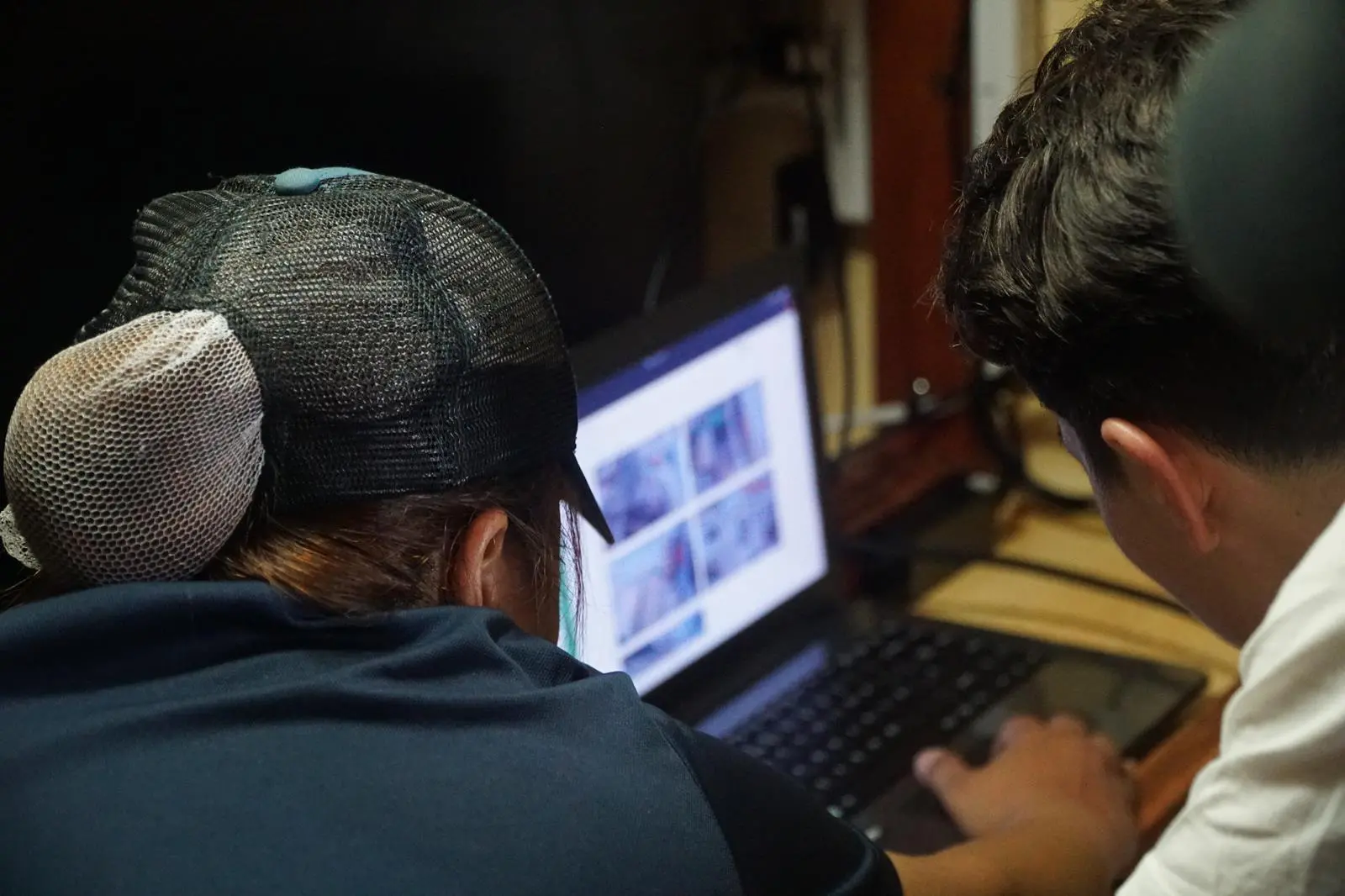
By recording images of fishing operations, it offers views of critical vessel areas such as gear deployment and retrieval, catch aboard, sorting, processing and storage, while third party reviewers can analyse the footage to determine primary species, ETP species, by-catch and more. It can also offer greater certainty that products are sourced in compliance with government or company commitments and requirements.
The idea is that EMS is an independent data source, separate from fishermen’s logbooks, that can potentially be used to replace or compliment the use of human observers, said Chiang. Local EM providers are also involved in Ocean Outcomes’s work, with a focus on vessel management plans, or installation plans, to determine how many cameras a vessel requires and where they can be installed.
Having installed the necessary components, the data and footage are then transported to the cloud before analysis to determine species and bycatch data, fishing effort, the occurrence of any marine debris, and more.
Building confidence
However, despite the growing interest in advancing EMS in Taiwan, progress has been hindered by various challenges, most notably the ability of flag states and fishery managers to incorporate electronic monitoring into a national policy and regulatory framework, an underlying factor for enabling electronic monitoring to scale in Taiwan. There is also a significant lack of knowledge and experience of electronic monitoring.
“Most fishermen have never used or experienced EMS,” said Chiang. “They don’t know how to define the data, the type of devices that they need on their vessels, and how to clearly communicate their needs with EM providers and other resources. Cost is also a challenge, and this circles back to the lack of experience. Fishermen don’t understand EMS, so it’s difficult to negotiate costs. It’s a huge issue that Taiwan doesn’t have a comprehensive electronic monitoring policy and regulatory framework. Standardising, mandating and implementing EMS is difficult without such a framework. Without such guidance from government managers, fishing vessels and owners can find themselves dead in the water when pursuing EMS.”
Nevertheless, those who are involved in Ocean Outcomes’s work are beginning to understand the advantages of EMS – better data, easier compliance with international standards, and even market and brand recognition. The ability of EMS to collect variable and valuable data is extremely good for the Taiwanese fishing industry in terms of obtaining essential information, said Chiang.
The key is to work to build confidence in the application of the technology and the use of data, and explain to fishermen the benefits of EMS in order to encourage broader adoption and uptake. Towards this end, Ocean Outcomes is working with EM providers and stakeholders to provide hands-on training on the use, maintenance and repair of EMS, while also supporting efforts to establish a Taiwanese regulatory framework for electronic monitoring.
This work is playing a key role in the journey to increasing transparency in Taiwanese tuna longliners.
“If people are willing to break down the wall and work together, taking advantage of collaboration, then a lot of amazing sustainable work can be achieved,” said Chiang. “It’s all about communication, collaboration and building trust. This year, we hope to be able to support industry players to become familiar with electronic monitoring and feel comfortable using it. We also want to support them in talking to stakeholders, markets, and the government about what they need, and involve local Taiwanese research teams, companies or organisations that work with electronic monitoring in terms of data reviewing and storage. We believe that EMS provides significant opportunity and potential, and hope to include many more stakeholders in our work.”