
Ukrainian fisheries and aquaculture in tatters
While the ongoing conflict with Russia raged on, Ukrainian fisheries companies faced all manner of challenges throughout 2022. Among these was the seaport blockade which, according to the state agency for land reclamation and water resources Gosryboagentsvo, resulted in commercial fishing in Black Sea becoming virtually paralysed, with fishers only able to conduct operations in small pockets of coastal zones near the regions of Mikolaiv and Kherson.
There, they could feel relatively safe, but caught only a very modest 10,100 tonnes of fish last year, Gosryboagentsvo calculated.
“Years ago, we caught about 220,000 tonnes of fish [per year]. After the annexation of Crimea, this figure halved to about 100,000 tonnes. In 2021, it stood at between 65,000 and 70,000 tonnes,” said Dmitry Zagumenny, general director of the Ukrainian Association of Fish and Seafood Importers.
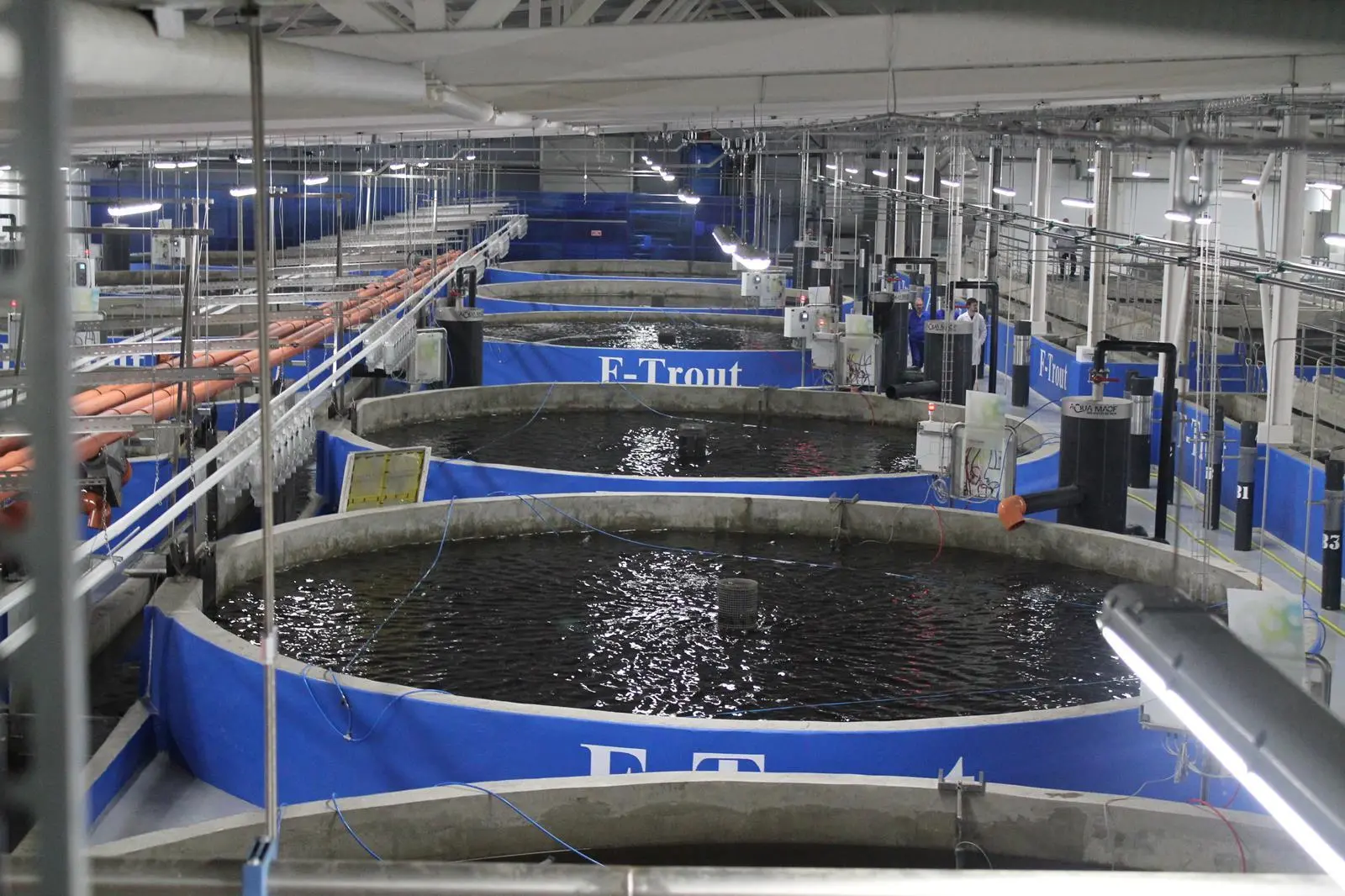
It’s also a grim picture in the fish farming segment, with Gosryboagentsvo confirming that in most of the regions that saw conflict in 2022, the fish farms present in those territories sustained damage, with many losing their ponds, equipment and fish. Some farmers also lost access to their assets after the territories around them were mined, it added. Indeed, it’s estimated that landmines and unexploded shells can now be found across 30% of the country.
Blocked supplies
Historically, Ukraine consumed around 40,000 tonnes of fish per month, Zagumenny said. Unfortunately, coupled with the logistics chaos seen in the first months after the Russian troops crossed the Ukrainian border, the problems encountered in the fisheries and aquaculture sectors triggered a shortage of fish on the domestic market. Also, in March 2022, Ukraine imported only around 10% of the fish that it brought in during peacetime.
While these imports did bounce back in the subsequent months, they haven’t returned to pre-conflict levels. This is attributed to a mix of factors, including the continuing seaport blockade and a slump in domestic consumption with millions of Ukrainians fleeing their homes seeking shelter in neighbouring countries.
Fish catches in domestic waters also dwindled last year, though this may be partly associated with natural reasons, with the Ukrainian National Academy of Agrarian Sciences previously predicting that from 2024, the country might need to import not only sea fish but also fish from rivers.
Scientists have also estimated that between 2013 to 2022, the population of the key river species in the country plummeted by 70% owing to poaching and ecological issues.
To deal with these challenges, Ukrainian government has heavily invested in various recreational programmes, although there’s been little success from these so far.
Heaviest of blows
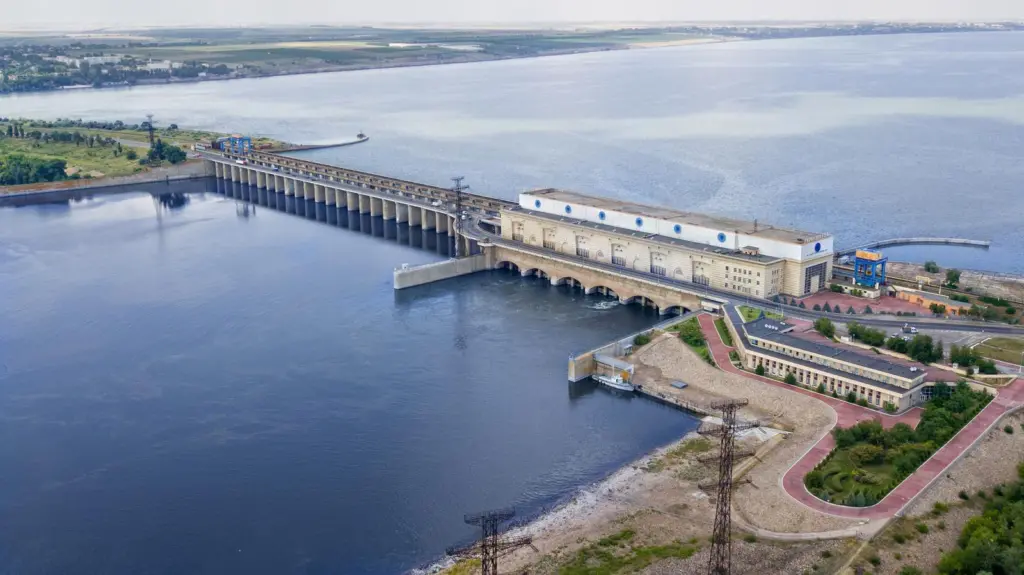
Destruction of Ukraine’s Kakhovka Dam on 6 June 2023 is considered to be Europe’s worst technogenic catastrophe since the Chornobyl nuclear plant accident. And like that disaster three decades ago, it’s going to have long-lasting consequences.
“I believe that the catch in the [Kakhovka water] reservoir accounted for about 5% of the [consumption on the] Ukrainian fish market. Its destruction will lead to an increase in retail prices. Enterprises that are engaged in processing and exporting valuable fish species will suffer,” said Lubomir Haidamaka, CEO of the Ukrainian fish farming company Vismar Aqua.
Ukrainian authorities reported that several pond-type fish farms downstream of the Dnypro River were also destroyed by the flooding. As a result, Ukraine is likely to lose a lot of its pikeperch (Sander lucioperca) export trade.
“I know the owners of several factories who exclusively bought pikeperch – processed it, made fillets and frozen products for export. In Europe, pikeperch is highly valued; there is a huge demand for it. For these companies, the destruction of the [Kakhovka] reservoir is a huge loss,” Haidamaka said, estimating this segment of the fish industry had been generating revenues close to US$15 to $20 million per year.
In general, the Kakhovka reservoir, together with nearby territories, accounted for 30% to 40% of Ukrainian freshwater fish catches. A lot of fish are also grown in ponds between this part of the Dnypro River and the Black Sea.
“It is not advisable to catch fish or swim in the Black Sea for at least a year,” said Viktor Komorin, director of the Ukrainian National Centre for Marine Ecology, pointing out the fact that the flood raised all sorts of chemicals, including those used in various explosives and landmines. “Toxic substances accumulate both in [sea] organisms and on the seabed.”
Ukrainian scientists are trying to figure out to what levels the dam’s destruction has impacted the environment. This work will take time, but it’s already widely thought the consequences could last for years if not decades. Several Ukrainian cities have already restricted the selling of fish, citing safety concerns.
In addition, it seems the flood affected the Dneprovsky sturgeon hatchery in the village of Dneprovskoe as well as the Kherson production and experimental plant for breeding young fish in the city of Golaya Pristan. Both were engaged in recreational programmes and supplied Ukrainian fish farmers with broodstock.
“As far as I understand, both will be destroyed, and the state will lose an opportunity to grow young fish for its stocking efforts. This will hit the fishing industry, the ecosystem in the region, and business,” Haidamaka said, adding that it may be the consequences of the dam destruction are felt across the Ukrainian fish industry for generations to come.
Lost opportunity
The loss of the Dneprovsky hatchery is a big blow for Ukrainian ecology. Igor Pilipenko, a professor at Kherson University, confirmed the entire plant territory was flooded and it’s unlikely the complex will resume operation in the foreseeable future.
“Breeding stock that was used for reproduction, fry, equipment – all this is lost. And how we will restore these is unclear,” said Pilipenko.
There are other pressing issues to deal with. Among these, numerous companies had purchased rights to grow and catch fish in the affected territories. Now, they may find themselves on the edge of bankruptcy.
To address this situation, Haidamaka suggested the Ukrainian government should consider partially compensating for the losses.
It’s estimated that 8 to 10 cubic kilometres of freshwater entered the Black Sea after the Kakhovka dam destruction. Some Ukrainian ecologists believe this could lead to dire consequences for the environment, but Pilipenko is more optimistic. In his opinion, in the long run, the Black Sea ecosystem could eventually consume this water without any issues.
Meanwhile, Ukrainian nuclear plant operator Energoatom warned the Kakhovka accident could pose some threat to the Zharopizia nuclear power plant since the water reservoir fed the station’s cooling ponds. Since the beginning of the conflict, both sides have been warning about the risks of nuclear disaster at the Zharopizia plant.
Rife uncertainty
It remains to be seen how Ukraine’s fish industries will cope with this year’s challenges. That said, some reports have determined that fish farmers are struggling to make ends meet and that a recent sharp rise in fuel and energy tariffs is making this even harder to achieve.
This is likely to drive further increases in fish prices on the Ukrainian market, Zagumenny said. But he added it’s unclear to what extent since the current purchasing power of the population leaves a lot to be desired.
In the main, with the conflict showing no sign of letting up, market players have been refraining from making any forecasts about the future of Ukraine’s fishing and aquaculture sectors. They say too much depends on the progress on the battlefields.