



DNA analysis of UK fish feed samples reveals undisclosed species diversity, highlighting major transparency gaps in aquaculture supply chains and fish feed production.
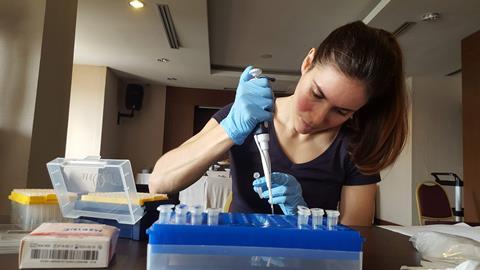
Researchers led by Dr Marine Cusa at the Danish Technical University (DTU) and Prof Stefano Mariani at Liverpool John Moores University (LJMU), have applied genetic tools to analyse 30 fish feed samples sourced across the UK, uncovering 33 distinct fish species.
The findings point to significant information gaps on actual composition of feed ingredients, while also demonstrating how DNA-based methods could strengthen traceability and verification across the aquaculture sector.
The study further indicates that most inputs originate from the Northeast Atlantic, suggesting a largely local supply chain, albeit with some globally sourced components.
“Current seafood traceability and transparency regulation in Europe and in the UK don’t apply to fish feed as they are destined for animal rather than human consumption,” says Dr Cusa.
“As a result, there is a major transparency gap, and feed manufacturers don’t usually display the fish species or provenance on feed labels.”
DNA-based traceability
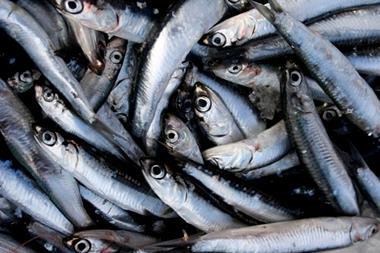
The research underscores how marine ingredients present in fish feed are typically labelled generically as “fish meal” or “fish oil”, which obscures the true diversity of species used in production.
This lack of detail has implications for regulators, aquaculture producers and consumers alike, particularly in evaluating environmental and social sustainability across fish feed production systems.
Dr Cusa adds: “Without information behind the species used for feed production, it becomes impossible to evaluate the environmental and social sustainability of the product and consequently, the fed farmed fish.”
The study also highlights the evolving composition of fish feed, with alternative ingredients such as Antarctic krill, terrestrial animal by-products, plant-based inputs and insect proteins, including black soldier flies, increasingly incorporated depending on species and feed formulation. While these innovations reflect efforts to reduce reliance on wild-caught fish, they introduce new trade-offs.
“The feed and aquaculture sectors have made great progress when it comes to feed formulation, and the proportion of wild-caught fish in feed for carnivorous aquaculture species has significantly reduced over the last decades,” says Dr Cusa.
“Unfortunately, this also comes at a cost, with nutritional value of the fish declining and environmental footprint increasing.”
Scaleable alternatives
The continued demand for fish meal production remains a critical constraint as global aquaculture expands.
According to the research, competition for raw materials and fluctuating fish stocks could limit growth unless scalable alternatives are developed. Beyond environmental concerns, the study points to broader socioeconomic impacts linked to fish meal production.
In regions such as West Africa, increased industrial production has been tied to reduced local food availability and economic disruption. “In the last decade… fishmeal and fish oil production has boomed in several West African coastal states, only for the ingredients to be exported,” Dr Cusa explains.
“This has had dramatic consequences on the livelihood of coastal communities who depend on these fish for local economic activities and nutrient intake.”
The researchers argue that improved transparency across fish feed supply chains could help address these challenges by enabling verification of sourcing claims and supporting more informed decision-making. However, scaling DNA-based traceability tools presents technical and operational hurdles.
“DNA are extremely powerful tools that can give a precise and robust understanding of the species present in the feed,” says Dr Cusa. “That being said, two of the biggest barriers at the moment are the use of DNA tools to evaluate the proportion of given species in the feed… and portability.”
Emerging technologies, including handheld sequencing devices and rapid PCR testing, could help overcome these barriers, offering practical solutions for on-site verification.
While not a standalone fix, such tools are positioned as a critical component in advancing transparency in global aquaculture and fish feed systems.
The study concludes that greater openness in fish feed composition would strengthen trust, support sustainability claims and enhance resilience across aquaculture supply chains.