




EU tuna deal sparks industry concern
The EU–Indonesia trade agreement risks giving Indonesian tuna producers an unfair edge in the European market, according to industry representatives, who warn the deal could undermine EU fleets and processors.
A draft of the agreement, recently published by the European Commission, proposes full tariff liberalisation for fresh and frozen tuna fillets, granting duty-free access with no quotas from the moment the deal enters into force. Processed tuna products would also benefit, though under tariff-rate quotas set at 5,000 tonnes per year for tuna loins and 800 tonnes for canned tuna.
“Indonesia is already a key supplier of raw material for EU canneries,” said Xavier Leduc, president of Europêche.
“Additional preferential access risks further displacing EU-caught fish in a highly price-sensitive market segment.”
Access would depend on rules of origin, limiting eligibility to tuna caught by Indonesian or EU vessels and processed in Indonesia. However, industry stakeholders argue that Indonesia’s dominant position in the Indian Ocean tuna fishery already gives it a strong competitive advantage.
As the largest tuna producer in the region, Indonesia holds the biggest allocation of key species such as skipjack and bigeye, and is a leading player in yellowfin. It is also a major user of the EU’s existing autonomous tariff quota for tuna loins, which allows 35,000 tonnes of imports at reduced duties and is consistently exhausted each year.
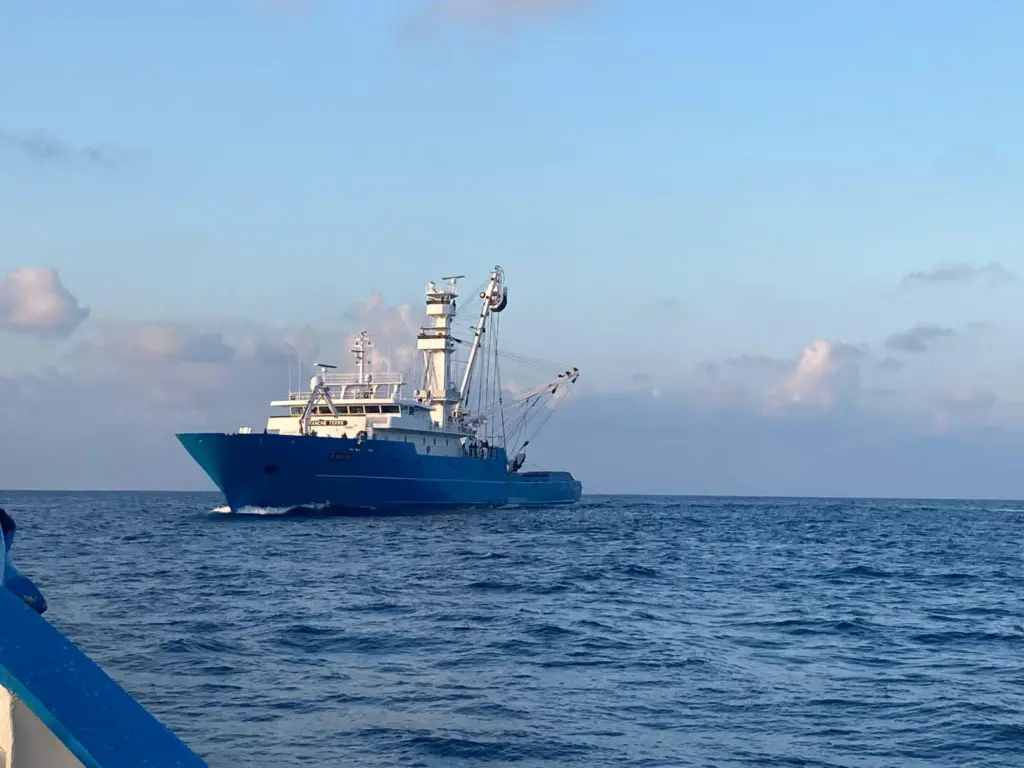
According to Europêche, expanding preferential access on top of existing quotas risks intensifying pressure on the EU’s tropical tuna purse seine fleet, which supplies the bloc’s canning industry.
The group also raised concerns about labour standards. While the EU has introduced stricter rules, including due diligence requirements, the trade agreement relies on non-binding commitments from partners.
Europêche is calling for revisions before the deal is finalised, including tighter quotas and limits on tariff liberalisation.
Related Articles
 SUSTAINABILITY
 FISHERIES
 FISHERIES