



Europe’s fishing industry has warned that a sharp surge in fuel prices is pushing fleets across the EU into crisis.
Representatives from Europêche met with Costas Kadis, European Commissioner for Fisheries and Oceans, on Friday to call for urgent intervention at EU level as the war in Iran causes prices to soar.
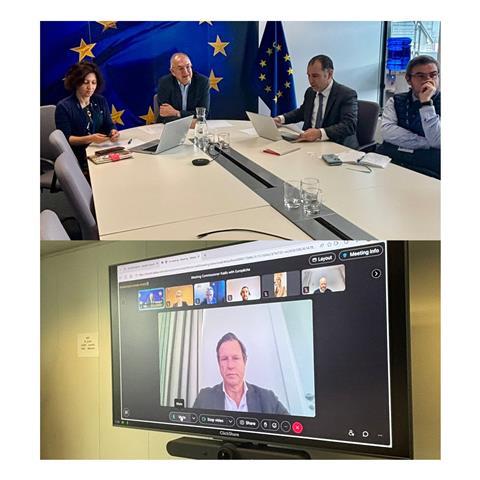
“This is no longer a risk – it is a reality,” said Javier Garat, as he described the rapidly deteriorating situation facing fishers.
Fuel prices have risen by more than 70% in a matter of days, reaching around €1.3 per litre in many EU ports, compared to previous averages of roughly €0.5. The increase, combined with higher logistical costs and ongoing disruptions to crew changes, has left many fishing operations unable to cover their expenses.
According to industry representatives, the financial pressure is already having immediate consequences. “We are witnessing immediate fleet tie-ups, disruption of seafood supply chains and severe income losses for fishers and crews,” Garat added.
While some member states have introduced emergency support, the sector says responses remain fragmented, short-term and, in some cases, dependent on approval from the European Commission. This has reinforced calls for a coordinated EU-wide approach.
Europêche is urging the Commission to activate a temporary crisis framework, similar to measures adopted during recent major crises, to enable rapid and flexible state aid. The group also called for adjustments to state aid rules, including setting aid ceilings per vessel, and for increased financial support through the European Maritime, Fisheries and Aquaculture Fund.
Additional proposals include greater quota flexibility, storage aid, and EU-level fiscal measures such as reductions in social security contributions.
The sector warned that fuel cost increases of this scale cannot be passed on to consumers, raising concerns about further disruption if vessels are forced to stop operating. With the AGRIFISH Council meeting approaching, industry leaders expect concrete EU measures to be presented without delay.