


On The Hook: Why we’re running an external review into the MSC
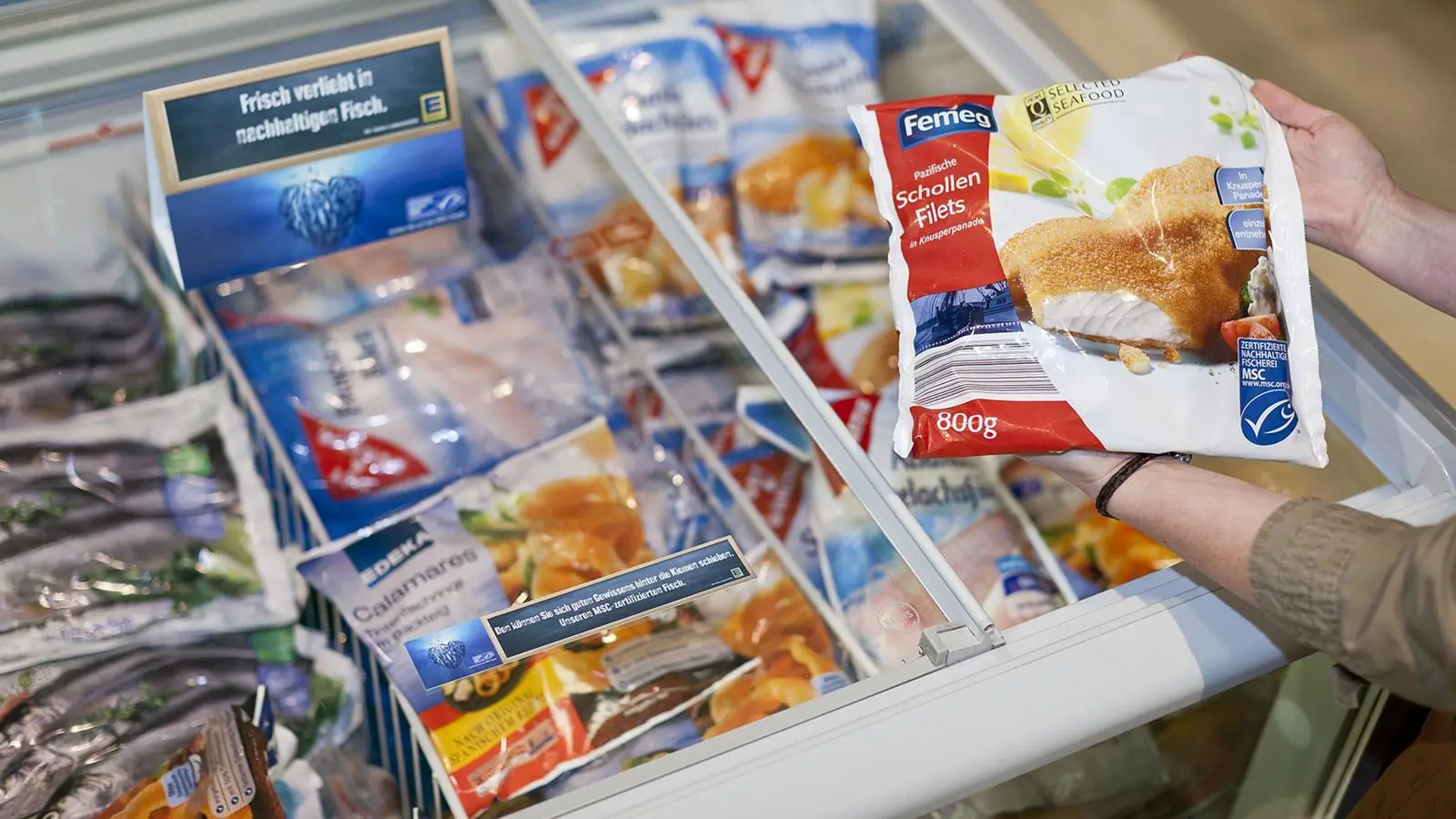
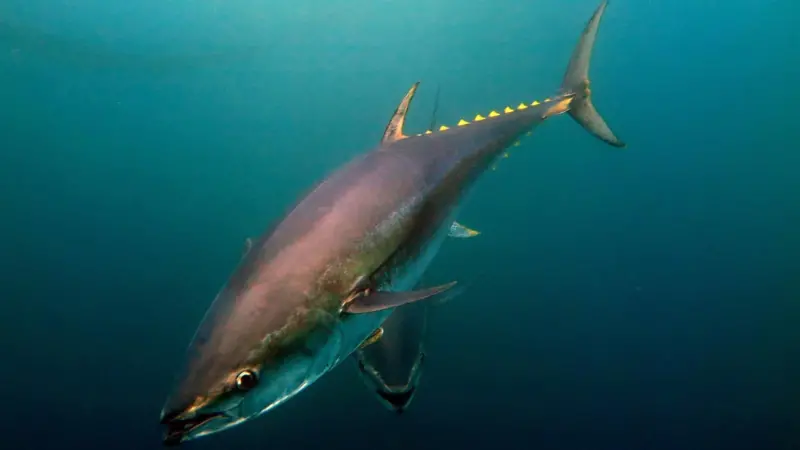
The Marine Stewardship Council’s (MSC) eco-labelling scheme is often described as the “gold standard” for sustainable seafood, yet numerous controversial certifications – from Australian orange roughy to Antarctic krill to Atlantic bluefin tuna – have increasingly exposed that reputation to scrutiny.

MSC was established in 1997 to plug a gap in global ocean governance by harnessing market forces to drive rapid sustainability improvements from wild capture fisheries. Twenty-five years later, the world is a very different place, and MSC does not appear to have kept pace. With its Standard simultaneously overcomplicated and under-ambitious, MSC is failing to deliver on stakeholder expectations or on its goal of ‘oceans teeming with life’.
Sacrificed standards?
While “sustainability” is an elusive term, questions have to be asked about any definition which enables the certification of fisheries dredging in Marine Protected Areas, where shark finning takes place, or which threaten the long-term recovery of fish stocks. Such instances make it difficult not to conclude that MSC has sacrificed high standards in the name of expansion.
Furthermore, with increasing acceptance that sustainability needs to be holistic, how can MSC continue to justify its lack of consideration of the human, social and climate impacts of fisheries? Or the high costs of certification which make the programme largely inaccessible to small-scale developing world fisheries who then find themselves locked out of lucrative markets?
Underlying many of these specific concerns are substantial procedural weaknesses. Stakeholders repeatedly come up against a system in which certifiers are granted excessive discretion leading to inconsistent outcomes, an inordinately expensive objections process where the objector has almost no chance of success, and a lack of meaningful engagement from MSC. While MSC’s current Fisheries Standard Review has made some progress in addressing key issues including shark finning and marine mammal harassment, its consultative process and proposed outcomes have ultimately left a wide range of respondents from the fishing and conservation communities alike dissatisfied.
Missing the mark
The standard set by the MSC matters. Around 15% of the global catch is from fisheries directly engaged with MSC and many more fisheries are motivated to try to reach the Standard in order to secure the price premiums or market access conferred by certification. MSC could therefore be a major lever for increasing ambition across the sector, but it is currently failing to seize that opportunity.
Furthermore, consumers who want to support sustainable businesses must be able to trust that when they select an MSC-labelled product they are not unknowingly endorsing unsustainable practices. MSC must proactively address its weaknesses and loopholes before they undermine the entire scheme, risking reputational damage to all engaged.
In that context, the On The Hook campaign has repeatedly called on MSC to initiate an independent root-and-branch review of its standards and operations. In light of MSC inaction and in the face of an ocean crisis, we decided to launch our own external review in April. The first phase of this is an open online consultation seeking the views of all MSC stakeholders and we would urge all readers to World Fishing to consider responding to this and circulating it within your networks to ensure that industry perspectives are represented.
It is our firm belief that MSC could and should be a real force for good – but it is not currently delivering. With MSC rapidly losing both credibility and good will, we hope that our external review kickstarts long overdue action and puts this long-running debate to rest once and for all.