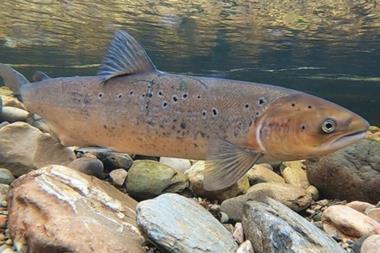





New figures published by the Scottish Government’s Marine Directorate show that Scotland’s wild salmon catches have fallen to their lowest level since records began in 1952, with sea trout numbers also near historic lows.
Data released by the Chief Statistician reveals that the total reported rod catch of Atlantic salmon in 2025 was 28,020, representing just 68% of the previous five-year average. The figures continue a long-term downward trend from a peak of 111,405 recorded in 2010, reflecting a sustained decline in returning wild salmon populations.
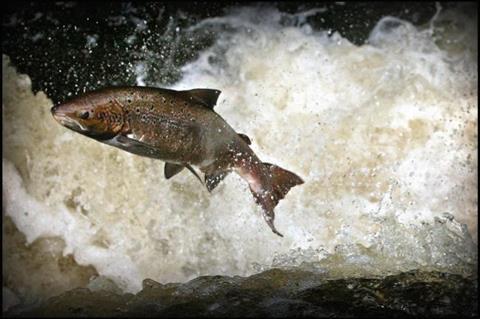
Fishing effort also dropped slightly, with 192,859 rod days recorded in 2025, a 5% decrease compared with the previous year.
Catch-and-release practices reached record levels. Of all salmon caught by rod, 98% were released, including 99% of spring salmon. Meanwhile, net and coble fisheries reported their lowest retained salmon catch on record, and fixed engine fisheries recorded their sixth lowest.
Farmed salmon accounted for 1.6% of the total reported catch.
Sea trout data showed a similarly concerning picture. The total reported rod catch fell to 13,025, the lowest figure since records began. Numbers have fluctuated over time but follow a clear long-term decline dating back to the 1960s.
Release rates for sea trout reached 92%, the second highest on record. Net and coble fisheries reported their third lowest retained catch, while fixed engine fisheries recorded their fifth lowest.
The annual statistics are based on returns from across Scotland’s fisheries, with 1,993 forms submitted from 2,160 issued, representing a 92% response rate. The data provides one of the most comprehensive long-term records of salmon and sea trout populations in the country.