





New proteins on the table
Soybeans and fishmeal have helped make aquaculture a global force to be reckoned with, but it now looks like the industry has arrived at the point where it needs to increase the uptake of new, more diversified feed ingredients.
Aquatic food production is set to continue to grow at a remarkable pace over the next few years, with the total global volume projected to reach 109 million tonnes by 2030, according to the Food and Agriculture Organization of the United Nations (FAO). The FAO also maintains that despite lower growth rates compared with the previous decade, aquaculture will remain one of the fastest-growing animal-food production sectors.
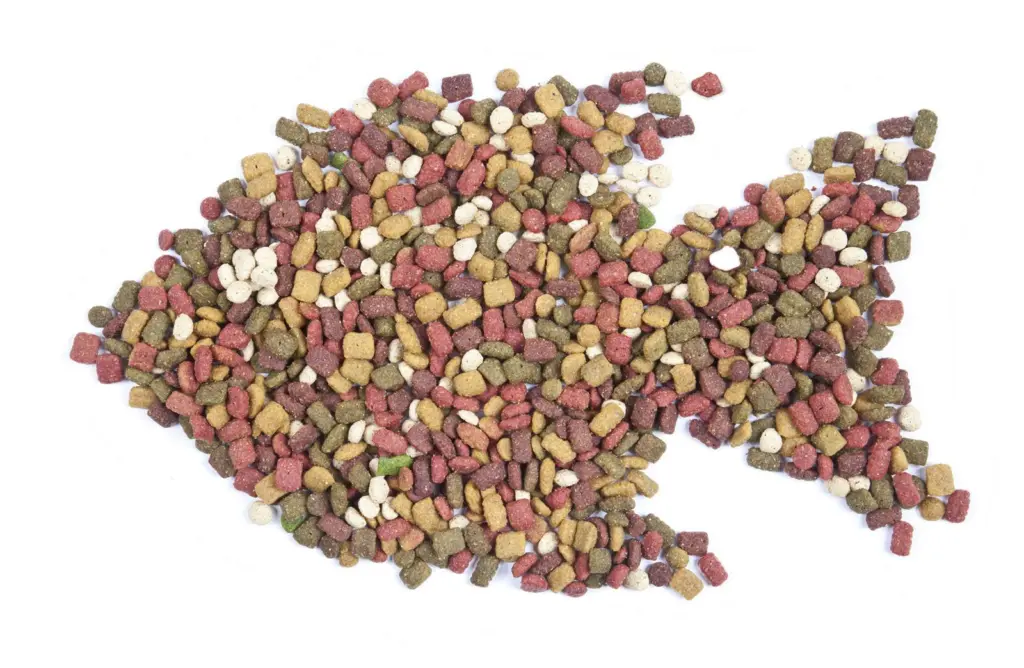
Most analysts are confident that it’s virtually impossible to sustain this growth using only the protein sources utilised today, and that there’s a rising need for new feed components. That said, not all protein sources need to be replaced. Afterall, modern fish feeds comprise a broad range of components – some plant-based, such as soybean meal, corn gluten meal or rapeseed meal; and some animal-based, including bone and poultry meal. Meanwhile, many feed producers have long targeted the replacement fishmeal amid the trend of steady price rises.
Audun Lem, Deputy Director of the FAO’s Fisheries and Aquaculture Division, believes it’s the competition for cost reduction amongst fish feed producers that’s pushing them to seek cheaper alternatives.
“The driving factor [to seek alternative feeding solutions] is by the aquafeed companies, not really the fish farmers. Fish farmers use available feed sources to feed their aquatic animals. For example, grass carp eat grasses, but now they are fed with pellet feeds for better efficiency,” he told WF.
Fish farmers are not directly interested in introducing novel protein sources into feeds, agreed Javier Ojeda, General Secretary of the European Federation of Aquaculture Producers (FEAP). However, fish feed manufacturers must comply with a growing list of requirements.
“All that fish farmers request is the feeds are sourced in a responsible way, they have an affordable price, and provide health and nutritional value to the fish,” Ojeda said.
Public scrutiny
There is, however, much more behind the efforts to introduce novel proteins than that.
“The driving factors [for the novel protein introduction] mainly come from public concerns, as both soybean and fishmeal are good for human consumption,” Lem said, adding that the environmental agenda remains rather troublesome for the fish farming sector due to a lot of controversial information in this area.
“Many reports made by NGOs do not reflect the truth, but [have still] put pressure on the sector,” he said.
Lem cited protests in Senegal as an example of unjustified pressure. In 2019, Greenpeace reported that local ecologists had protested against further expansion of fishmeal production capacities in the country. A group led by female processors subsequently asked the Senegalese government to stop authorising new fishmeal and fish oil factories and to stop existing factories from using fresh fish that the population could have eaten instead.
Greenpeace reported that for a country like Senegal, whose second largest sector is fisheries providing more than 600,000 jobs, it’s essential to ensure the sustainable management of fisheries resources, as fish covered about 70% of the animal protein needs of the population.
In addition to economic and environmental aspects, several other factors drive feed companies to explore alternatives.
“The major technology intervention is to look for nutrient ingredients instead of soybean or fish,” Lem said. “Diversified aquatic food production, both fed and non-fed aquaculture under the aquatic ecosystem approach aims for environmental and human society sustainability.”
Gas conversion
Thanks to interventions from academia and research, the list of alternative protein sources suggested as potential replacements for fishmeal and soybean meal has become is quite lengthy, but still only a handful have come close to commercial application.
One concept that has caught the attention of investors in Europe is gas-to-protein solutions. Among those working in this space, Sevastopol-based company Metanica recently developed a new generation of inactivated protein biomass of methane under the brand name Metaprin. The company considers fish feed to be one of the key sales markets for its products.
“Fishmeal is the main competitor to Metaprin. However, Metaprin is superior in terms of protein, amino acids, vitamins and microelements content. It has sustainable quality. Its production and composition characteristics do not depend on weather conditions and the time of year, and it is more convenient for livestock workers,” said Metaprin’s Development Director Nikolay Kutafin.
Danish firm Unibio, meanwhile, has developed technology enabling natural gas to be converted into a single-cell protein – UniProtein – to be further used in feeds.
However, studies on the use of bacterial biomass in feeding commercial fish species remain rare, and the available data is still too insufficient to justify mass use.
On the fly
Insect meal is another promising protein alternative to fishmeal production and it’s also much better researched. Most studies to date have focused on the potential of larvae meal from black soldier fly (BSF – Hermetia illucens), with the indication that its nutritional content is similar to that of fishmeal and that it could replace conventional protein sources in fish feeds.
In a 2017 study, the Indonesian Institute of Ornamental Fish Culture showed BSF larvae has potential as an alternative source of protein in fish feed, with the researchers stating that the utilisation of maggot flour is expected to reduce fish farmers’ dependence on protein from fishmeal and soybean flour.
As well as evidencing that maggot flour can replace fishmeal by 50-100%, they determined that the ability of maggots to decompose organic waste as a breeding medium and their high tolerance to climate variations in tropical environments makes the ingredient well-placed for mass-production.
Several other studies have identified that BSF larvae help not only improve supply chain sustainability in the fish farming industry but also enhance feed conversion ratios and secure better business profitability.
More recently – in September this year – French insect protein start-up InnovaFeed reported it had raised US$250 million to scale up the production of BSF meal. The company already operates two vertical insect farms in France. These sites use BSF larvae to produce proteins and oils for animal and plant feeds.
A third facility is in the works, and the company plans to build 10 more by 2030.
It’s certainly not alone. Several other companies are working on establishing BSF plants in Europe and Asia in the coming decade.
Microalgae development
The list of insect meal options also includes the yellow mealworm (Tenebrio molitor), the common housefly (Musca domestica), tropical house cricket (Gryllodes sigillatus), Turkestan cockroach (Blatta lateralis), the domestic silk moth (Bombyx mori), and several other insects. But so far, all of these options have been studied to a lesser extent than BSF and enjoy limited interest from potential investors.
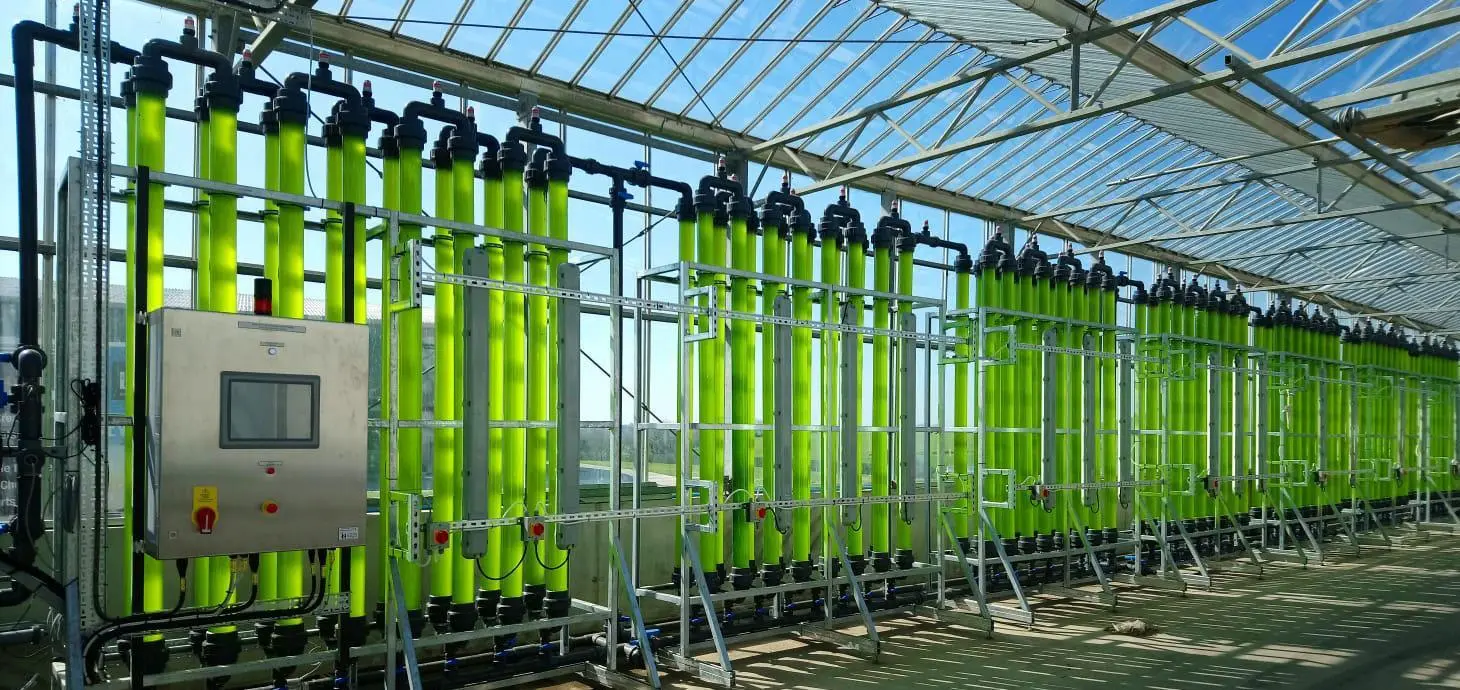
It’s also widely believed that microalgae could be the next big thing in the global fish feed industry. Indeed, with raw protein contents of up to 65%, the odds look promising.
Algae, including seaweeds and microalgae, already contribute nearly 30% of world aquaculture production (measured in wet weight). However, potential investors have so far failed to locate commercially viable technologies for microalgae production.
Currently, the average price of microalgae from the most successful projects range between $10 and $15 per kg, which is well beyond the price of soybean meal and other protein components.
Related Articles
 PROCESSING & REFRIGERATION
 PROCESSING & REFRIGERATION
 PROCESSING & REFRIGERATION