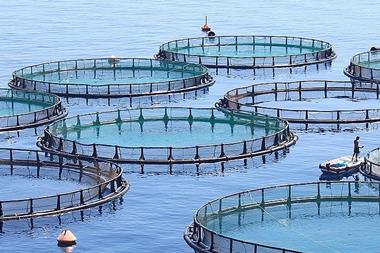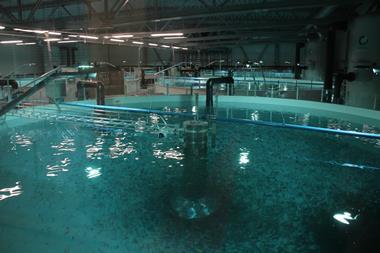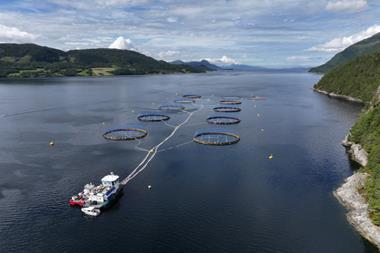



The Food and Agriculture Organization of the United Nations (FAO), in partnership with the Ministry of Water Resources, Agriculture and Processing Industry of Kyrgyzstan and international stakeholders, has launched a new initiative aimed at strengthening the country’s aquaculture sector.
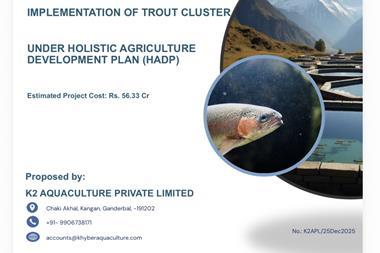
The project, Sustainable Fish Value Chains for Landlocked Developing Countries (SVC4LLDCs), is funded by the Ministry of Oceans and Fisheries of the Republic of Korea and focuses on improving the sustainability, productivity and competitiveness of Kyrgyzstan’s fish value chains, with particular emphasis on rainbow trout and carp production.
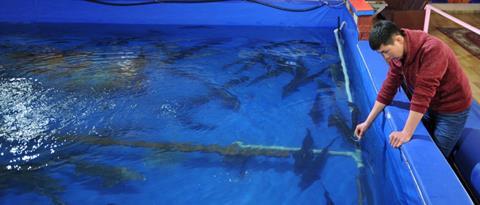
“Aquaculture holds significant potential for improving food security, creating jobs and supporting rural livelihoods,” said Oleg Guchgeldiyev, FAO representative in Kyrgyzstan.
“This new project reflects our commitment to work with national partners to unlock that potential through sustainable and inclusive value chain development.”
During a kick-off workshop in Bishkek, FAO specialists presented preliminary findings on market opportunities, regulatory frameworks and sustainability performance across the trout and carp sectors. Discussions focused on identifying bottlenecks, validating research findings and exploring opportunities for investment and innovation.
“Our analysis looks beyond production to understand how the entire value chain functions, from inputs and farming practices to processing and market access,” said Thomas Shipton, FAO senior aquatic value chain expert. “By identifying constraints and opportunities across the chain, we can support more efficient, resilient and competitive aquaculture systems.”
Despite recent progress, the sector continues to face challenges including access to quality inputs, value-added processing, market connectivity and environmental sustainability. Participants agreed that stronger collaboration among stakeholders will be essential to overcoming these barriers.
“By improving how fish moves from farms to markets, this initiative will help unlock new opportunities for producers, strengthen value addition and support the long-term sustainability and competitiveness of the aquaculture sector in Kyrgyzstan,” said Jalilbek Toimatov, director of the Department of the Fisheries Industry Complex.