


With fisheries and aquaculture facing mounting pressure to improve safety, sustainability and transparency, digital technologies are moving rapidly from pilot projects into everyday operations. Seafood and Fisheries Emerging Technologies’ (SAFET’s) latest report, The Fourth Industrial Revolution at Sea, examines how automation, data and connected systems are already changing how seafood is produced – and where the next challenges lie.
Rather than focusing on speculative future tools, SAFET’s report highlights technologies that are already embedded in working fleets and farms.
“The technologies reported most that are already having the greatest operational impact in fisheries and aquaculture are those that are more mature, scalable and embedded in day-to-day decision-making,” explained Inga Wise, Executive Director of SAFET. “These include electronic monitoring systems, vessel tracking (AIS and VMS), electronic logbooks, and increasingly AI-enabled data analytics layered across these tools.”
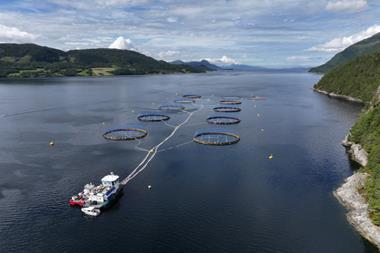
Wise stressed that these systems are no longer niche. “Electronic monitoring is now deployed across major tuna, trawl, and longline fleets, vessel tracking underpins both compliance and safety, and digital logbooks are mandatory in several leading jurisdictions, materially improving data quality while reducing administrative burden,” she said. In aquaculture, she added, “in-situ sensors and automated feeding systems are delivering measurable gains in efficiency, animal welfare, and environmental performance.”
Safety gains through automation and situational awareness
Fishing continues to be recognised as one of the world’s most dangerous professions, and SAFET’s report places strong emphasis on how Fourth Industrial Revolution technologies can reduce risk.
“Fourth Industrial Revolution technologies can materially reduce accidents by removing people from the most hazardous tasks, improving situational awareness, and enabling earlier intervention when risks emerge,” Wise told WF. Sensors, cameras and AI-driven systems can monitor weather, vessel stability, machinery performance and crew activity, providing warnings before conditions escalate.
“Remote monitoring and uncrewed systems reduce the need for physical presence in high-risk environments such as deck operations or offshore inspections,” she added. “In both fisheries and aquaculture, these tools shift safety from a reactive model reliant on experience and hindsight to a preventative one grounded in continuous data.”
Workforce transition, not substitution
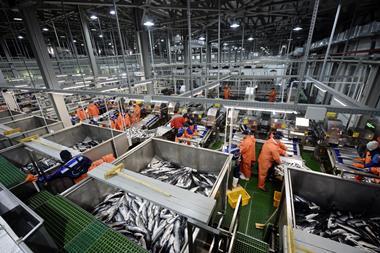
With automation extending further into harvesting, feeding, grading and monitoring, the report argues that technology adoption must be paired with investment in people.
“As automation expands, technology adoption in the sector is increasingly discussed in terms of workforce transition rather than labour substitution,” Wise said. “Efficiency and safety gains are often linked to investment in skills development, supporting fishers and farm workers to move into roles such as system oversight, data interpretation, maintenance, and compliance, while retaining the value of local knowledge and operational judgement.”
This balance, she said, reflects “a broader recognition that resilient fisheries and aquaculture systems depend on people as well as technology.”
Better science without heavier compliance
Another of the report’s central findings is that better data doesn’t have to mean greater compliance burdens for operators.
“Real-time data, AI, and digital twins can substantially improve fisheries stock assessments and aquaculture health monitoring by embedding observation and modelling within routine operations,” Wise said. She pointed to initiatives such as the Fishing Vessel Ocean Observing Network within the Global Ocean Observing System, where data collected passively by vessels and farms feeds directly into shared scientific models.
“When coupled with AI modelling and digital twins, these data streams allow managers and operators to test scenarios, anticipate stock or health changes, and adjust recommendations proactively,” she said, without adding new reporting requirements.
But as farms and vessels become increasingly connected, cyber resilience is emerging as a new area of concern.
“Cyber risk is increasingly recognised in fisheries and aquaculture, with growing integration of security considerations into digital procurement, assurance, and risk management,” Wise said. While preparedness varies, she noted that “awareness is rising that connected systems need to be resilient and trustworthy.”
Evidence of sustainability impacts
The SAFET report compiles growing evidence that digitalisation is delivering concrete environmental benefits.
“There is now clear and growing evidence that Fourth Industrial Revolution technologies deliver tangible sustainability benefits in fisheries and aquaculture when properly deployed,” Wise said. She cited bycatch reduction trials achieving “reductions of 40–60% and, in some cases, over 90% for specific species, while maintaining target catch rates.”
She also pointed to improvements in compliance and enforcement. “Electronic monitoring, vessel tracking, and AI-assisted surveillance have demonstrably improved compliance and reduced illegal fishing activity,” particularly in monitored MPAs and regulated tuna fisheries. In aquaculture, “in-situ sensors and automated systems are improving feed efficiency, reducing nutrient loading, and enabling earlier detection of disease and environmental stress.”
Wise continued: “Collectively, these examples show that the sustainability gains attributed to digitalisation are no longer theoretical but are being realised at operational scale across multiple geographies and gear types.”
Regulation adapts cautiously
Regulatory frameworks are beginning to adapt, but often incrementally.
“Fisheries management frameworks and aquaculture licensing regimes are evolving in response to emerging tools such as autonomous systems, AI-driven monitoring, and remote inspection,” Wise said. While electronic monitoring and digital logbooks are increasingly accepted, “regulatory approaches are designed around established licensing structures and governance models, which can shape how new, adaptive technologies are incorporated.”
Ensuring smaller operators are not excluded is also a recurring theme.
“Small-scale fishers and smaller aquaculture producers are less likely to be left behind where trusted supporting organisations actively mediate the introduction of digital technologies on their behalf,” Wise said. NGOs, cooperatives and producer organisations, she noted, play a vital role in reducing cost and complexity while strengthening market access.
“This model demonstrates that inclusive digitalisation in fisheries and aquaculture is fundamentally an institutional challenge as much as a technological one,” she said.
Data, trust and next steps
At the same time, data rights remain sensitive. “Ownership and control of fisheries and aquaculture data involve balancing commercial interests, regulatory needs, public accountability, and trust,” Wise said, adding that transparency and proportionate safeguards are essential.
Looking ahead, she said the priorities are clear: “The three most urgent actions are to scale the adoption of proven technologies, the ongoing modernisation of governance frameworks to recognise digital systems, and to invest in trust and inclusion.”
Taken together, SAFET’s findings suggest the Fourth Industrial Revolution is no longer a future concept for fisheries and aquaculture. The challenge now is ensuring that its benefits – safer work, healthier ecosystems and more resilient food systems – are realised equitably and at scale.