




The European tuna industry has warned that expanding EU trade agreements risk undermining domestic fleets and processors through increasing volumes of low-cost imported tuna products.
Concerns have intensified following the signing of the modernised EU–Mexico Trade Agreement, which will progressively remove tariffs on Mexican tuna loins and canned tuna entering the European market. Industry representatives argue the move could create unfair competition for European operators already facing rising regulatory and operating costs.
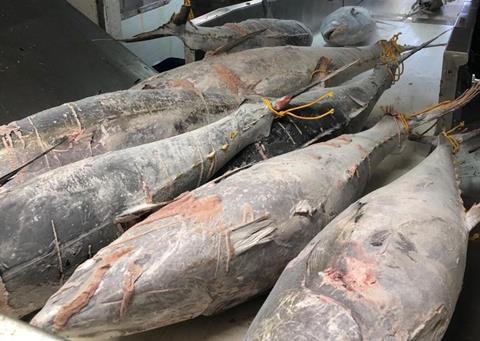
The agreement follows publication of a draft Comprehensive Economic Partnership Agreement with Indonesia and comes amid ongoing trade negotiations with Thailand and the Philippines, both major global tuna producers.
Europêche Tuna Group said the cumulative impact of these agreements, combined with the EU’s existing Autonomous Tariff Quota system, could significantly disrupt the European tuna sector.
“These concessions may appear gradual on paper, but the full liberalisation of tuna loins fundamentally changes the economics of the trade and risks creating serious distortions of competition for the European tuna fleet and processing sector,” warned Xavier Leduc, president of the Europêche Tuna Group.
Under the current ATQ regime, 35,000 tonnes of tuna loins can already enter the EU duty-free annually from countries worldwide.
Leduc added: “Vietnam, Indonesia, Mexico… and Thailand and Philippines are coming: how many trade agreements will continue adding new volumes of low-cost duty-free tuna loins competing with European products on the EU market?”
Industry representatives also raised concerns over food safety, labour standards and environmental compliance among some exporting nations.
Anne-France Mattlet, director of the Europêche Tuna Group, said: “The European fleet is proud to comply with some of the highest sanitary, environmental and social standards in the world. At the same time, the EU is accelerating the opening of its market to imports produced under standards that would simply not be tolerated for European operators.”
Europêche is now calling for the elimination of tuna loin tariff quotas from 2027 and stronger safeguards in future trade agreements.