Exports of New Zealand shellfish, both farmed and wild, are making a big splash in European markets.
New Zealand is famed for many things: its Maori culture, being the first country in the world to give women the vote, and its breathtaking natural landscapes, but in terms of seafood, it’s the country’s shellfish production that sets it apart from the competition.
Thanks to 21st century processing technology, such as flash freezing on the day of harvest, the country’s exemplary production techniques and end-products are now widely appreciated by buyers and consumers all over the world.
Of all its shellfish, the New Zealand green-lipped mussel (Perna canaliculus) is perhaps the most iconic seafood export. It is also the most recognised - the species has a dark green/brown shell with a distinctive green lip around the edge.
This large mussel species is endemic to New Zealand, and when grown for aquaculture is produced under the trademark name ‘Greenshell’. The Greenshell mussel aquaculture industry began in the 1970s and has grown at a phenomenal rate – it now produces over 140,000t annually, valued in excess of $250m (€177m).
But whilst it’s widely accepted that green-lipped mussels are the poster child of New Zealand’s shellfish industry, long-term success is being driven by oysters, abalone, clams and cockles.
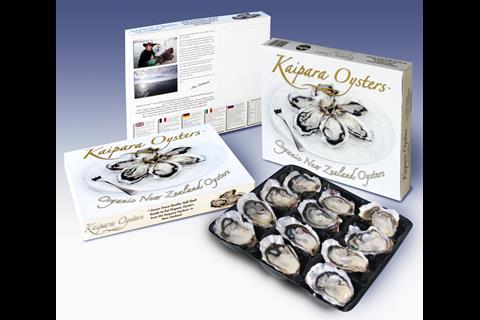
Of all the products in this new wave of exports, it’s the organic oysters (Crassostrea gigas) grown in Kaipara Harbour that are currently making the biggest waves in European markets.
Only launched into Europe at last year’s European Seafood Exposition (ESE) in Brussels, Belgium, Kaipara Oysters have enjoyed immense success with orders for the organic oysters flooding in from all over the continent.
Its debut at the 2010 ESE was marked with a place on the shortlist for an award in the prestigious Prix d’Elite Best New Products Competition. This quickly translated into several large foodservice and retail orders. An indication of the high regard the oysters have earned in just a short space of time came with the product’s placement on the menu at last summer’s Wimbledon Tennis Championships.
Sustainable and organic
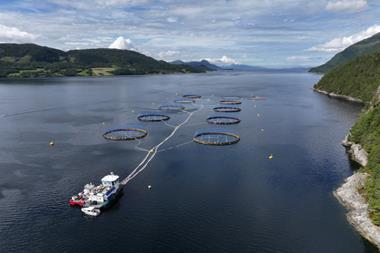
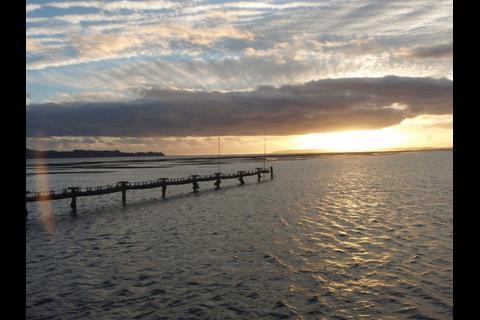
Kaipara Oysters are produced in the strong, pristine waters of the outer Kaipara Harbour on the northwest side of North Island by the 2nd generation family-run company Kaipara Oysters.
The oysters are organic-certified under the Asure Quality organic certification programme, which allows them to be marketed as compliant under European ‘BIO’ standards.
They have been particularly welcomed by markets such as Italy, Spain, Poland and Denmark, and the producer fully expects more markets to “open up” following the oysters’ second appearance at ESE in May this year.
Chief oyster grower Dan Dollimore said: “New Zealand has a well-earned reputation for best-practice aquaculture, acquired over several decades of initiating groundbreaking production methods. Naturally-grown New Zealand oysters embody everything that is good about the industry, and at the forefront of this sector are our organic oysters.”
Mr Dollimore believes it is the growing methods deployed by the company and the environmental practices that the growers have put in place that make this fishery stand out.
“Our attitude is to ensure every aspect of the Kaipara operation is conducted in the most sustainable manner possible. We wholeheartedly believe we’re establishing new benchmarks for environmentally sensitive oyster farming and responsible aquaculture production.
“We’re proud that our entire farm area is built only from products manufactured from recycled eco-friendly materials, including plastics. We’re still the first and only shellfish producer in the world that’s doing this.”
Mr Dollimore explained that because plastic cannot rust or rot, it only requires minimum maintenance and replacement. This results in less seabed disturbance, he said. And, from a marine bio-safety standpoint, plastic materials are easily cleaned and therefore less likely to carry disease or house harmful parasites.
The Kaipara farm site was established in 2008 when the Auckland Regional Council granted consent to allow a single 76-hectare commercial oyster farm to be established in the middle of the Kaipara Harbour, which is the largest harbour in the southern hemisphere and one of very few places on the remote west coast where large tidal flows combine with stable sand banks to give shelter for oyster farming.
Incoming tides bring clean, nutrient-filled waters from the currents flowing from the Southern Ocean into the Tasman Sea.
Mr Dollimore explained that in following the company’s philosophy to minimise the human footprint in the Kaipara waters, the oysters, which are selected from naturally-caught spat, are left to the elements to grow for 12-18 months using the intertidal technique.
“This action strengthens and shapes the shells into the distinctive deep-cupped form coveted by oyster consumers,” he said.
‘Clean and green’ abalone
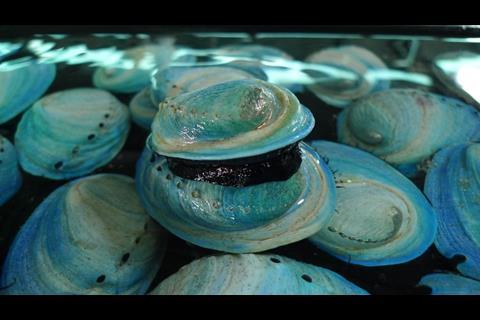
In recent years it has been recognised that abalone farming is the best solution to the increasing global demand for this unique, high-value seafood delicacy. Proving this point, OceaNZ Blue Abalone has enjoyed an extraordinary first year in the European market with listings at some of its finest restaurants, having already become a big hit with top-end chefs in Asia and the United States in both Asian and Western-style cuisine.
In the last 12 months, OceaNZ Blue abalone (Haliotis Iris) has earned placements on the menus of famous chefs like Michelin-star chef Tim Raue (Uma, Berlin), chef TongChee Hwee (Hakkasan, London) and executive chef Sergio Mei (Il Teatro, Four Seasons Hotel, Milan).
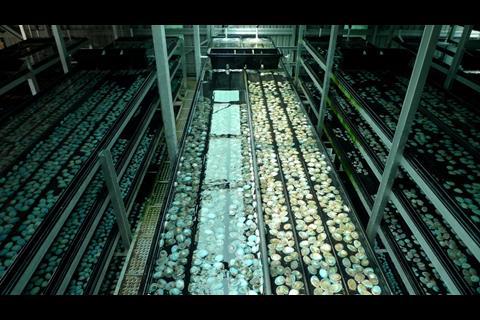
The abalone is produced in a world-class aquaculture facility using the clean waters of Bream Bay, near Ruakaka on the northeast side of the North Island.
MD Doug Lloyd revealed that in the company’s broodstock room and hatchery it has more than 2,000 sets of parents, while the facility is currently growing about 5m abalone.
“We now have a system where we can spawn every two weeks to ensure we have growth continuity to match future harvest and production schedules. This has been a huge breakthrough, and it’s one of our closest guarded secrets,” said Mr Lloyd.
“We have been able to produce a more tender abalone than the traditional wild/fresh, and without any need for tenderising. Fresh abalone generally tend to ‘cramp up’ when being shucked,” he explained.
After harvest the OceaNZ Blue are slowly put into colder temperatures, relaxing the muscle before they are shock frozen at -90 Celsius. This ensures a sashimi-grade product of excellent taste and texture.
Mr Lloyd is quick to point out the farming operations are fully sustainable; there are no impacts or damage to the local sea environment. The product is also fully traceable from hatchery to end-consumer and is guaranteed by a certified HACCP plan.
OceaNZ Blue uses no additives, drugs or antibiotics, nor are any chemicals used during processing. “This is truly a ‘clean and green’ product,” he said.
Pioneering clams
As well as world’s best shellfish farming programmes, New Zealand also has a thriving wild shellfish industry. Cloudy Bay Clams, for example, is the pioneer of an exciting new fishery – the harvesting of native surf clams.
Cloudy Bay is an integrated catching, processing and marketing business, established 20 years ago by entrepreneur fisherman and marine engineer Ant Piper. Having spent many years working around boats, Mr Piper wanted to utilise his expertise to harvest surf clams.
Having seen the negative impact that traditional clam harvesting has on the marine environment, his commitment was to develop a harvesting method, which would have no detrimental impact on the sea floor and the other marine creatures in the fishing zone.
The result of Mr Piper’s years of research and development was a worlds’ first – a wild harvest clam fishery which uses bespoke boats and equipment to ensure there is zero environmental impact – not only is the catch species-specific, but there is no degradation of the seabed and surrounding marine areas.
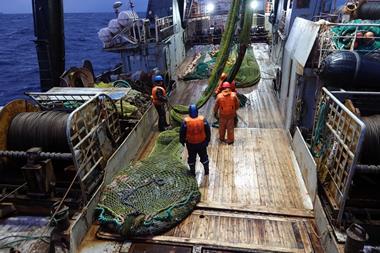
The company has also developed a non-invasive hydraulic ‘clam pump and scoop’ harvester. The pump is towed along the seabed liquefying the sand and scooping underneath the clams, separating them without seabed compression or damage to the product.
The clams are gathered into an open mesh cage for grading, minimising the gathering of non-target species and returning clams not required back to the substrate, undamaged.
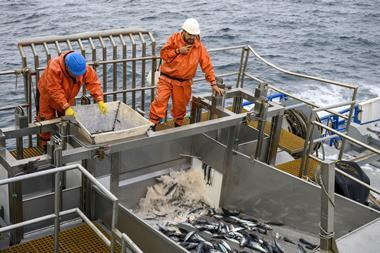
Once onboard specialised boats, the clams are graded and kept immersed in re-circulating seawater, keeping them in optimum condition and protected from the elements.
Cloudy Bay carries out weekly bio-toxin flesh samples and phytoplankton bio-toxin indicator samples, as well as monitoring salinity (to monitor freshwater run-off from the land). It also conducts regular e-coli checks on both salt and potable water used at the handling facility in addition to regular salmonella and heavy metal checks.
Surf clams live in the turbulent surf zone, rich in year-round production of phytoplankton. This environment ensures a high yield and that the shellfish develop outstanding quality and taste.
There are seven different species of bivalve molluscs available, each with a unique flavour and texture. Each is distributed over a distinct depth between low water and 10 meters deep in the intertidal surf. The species comprise:
- Storm Clam - Large Trough Shell (Mactra murchisoni) - more abundant in the South Island and found in 4-8 metre depth range. Maximum shell size 65-105mm. The distinctive, large angular shell is white with pale straw coloured bands.
- Trough Shell (Mactra discors) - more abundant in South Island, this clam occurs in a 3-7 metre depth range and has a maximum size of 63-95mm. It is similar to the Kiwi Clam but the shell is thicker, smaller, rounder and more inflated. The shell is white to brown in colour.
- Triangle or Diamond Shell (Spisula aequilater) - more abundant in the South Island and found in 3-5 metre depth range. With a maximum size of 40-75mm, this clam has solid, triangle-shaped inflated shell. The distinct colouration of the shell is white in adults, and a dark violet colour in juveniles.
- Deepwater Tuatua (Pahpies donacina) - more abundant in the South Island, the deepwater Tuatua occurs in low tide to 4 metre depth range. It has a maximum size of 75-110mm with a solid shell an unequal triangle shape with a rounded back. The shell is cream in colour in adults and light grey in the juveniles. The adductor muscles are cream in the adults and a light blue in juveniles.
- Moon Shell (Dosinia anus) - more common in North Island, they occur in 5-10 metre depth range, with a maximum size of 60-80mm. It has a solid heavy shell, almost circular, with closely spaced strongly developed concentric ridges. The shell has a pink-beige colour and the flesh has a light apricot colour.
- Silky Moon shell (Dosinia subrosea) - more common in North Island, it occurs (in 6-10 metre depth range) on more sheltered beaches and buries deeper than the Moon Shell clam. The maximum size is 41-68mm. Flat-topped concentric ridges on the shell give a silky appearance and texture. The shell has a white to yellowish colour. There is no commercial quantity currently available.
- Frilled Venus Shell (Bassina yatei) - occurs in 6-9 metre depth range and has a maximum size of 48-88mm. This clam’s shell is solid, ovate/sub quadrate, with concentric lamellae, often frilled, and is creamy white colour. Again, there is no commercial quantity currently available.
King of cockles
Last, but by no means least, the New Zealand king cockle (Austrovenus stutchburyi) – traditionally known as “tuaki” and “tuangi” is the country’s single most abundant large invertebrate animal.
This species is only found in New Zealand, including the Chatham Islands, and at many locations large beds of bivalves reach a maximum abundance of around 4,500 per square metre, with a biomass of several kilograms.
Because of its unique nature and provenance the species is often named “Littleneck”, “Berberechos Rey” or “Vongole Reali” depending on which comparable species is found in its export markets.
Leading producer, Southern Clams harvests these cockles in pristine waters on the Otago coast by deploying a unique wild-stock rotational harvesting system that uses a ‘body dredge’ in the water.
Body dredge harvesting uses a light dredge with a ‘riddling’ basket pulled by each harvester. It is a ‘wet’ harvesting system, and according to the company the process causes less damage to shellfish and is gentler on the habitat – all unwanted material brought in with the harvest, including dead shells, other shellfish, seaweed, sand, and any undersize or unwanted grade cockles are returned to the bed.
Up to eight harvesters and two or three small vessels work in shallow water over the beds for two or three hours. Harvests, which usually take place six days a week, are timed according to the tides, and the bivalves are only fished to order on market demand.
Southern Clams told WF its products have been exported to a dozen countries for more than 20 years. Customers include leading retailers like Costco (United States) and Waitrose (UK) as well as several high-end wholesalers.