



UN: Global food security requires ‘silicon fjord’ innovation to trickle down to all aquaculture
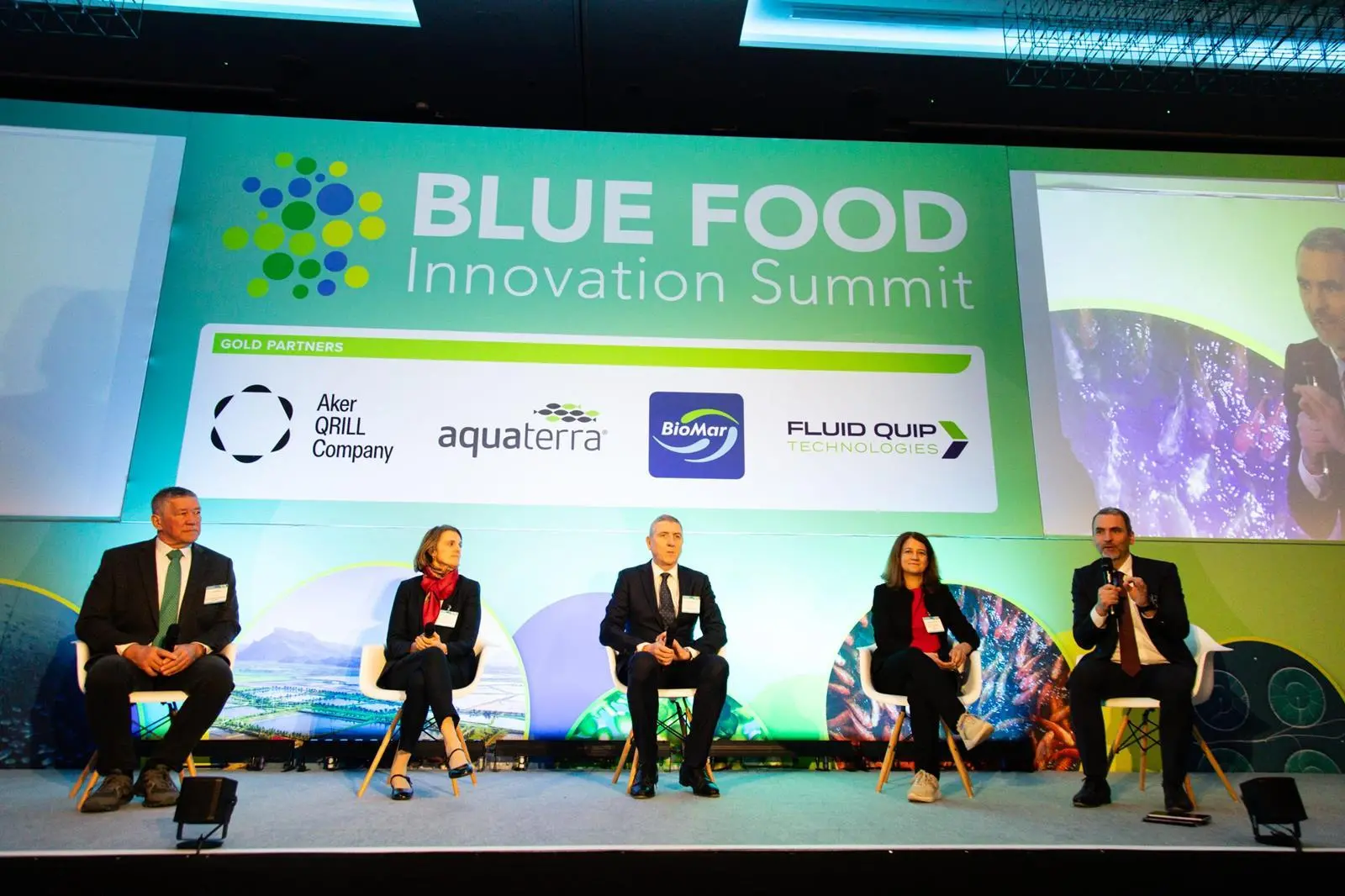
While aquaculture is widely recognised as being crucial to global food security, the recent Blue Food Innovation Summit heard the industry needs to do much more to ensure it can meet the world’s growing food demands and provide much of the estimated 25 million tonnes of additional seafood that will be required as soon as 2030.
Setting the scene at the London-based conference, held on 8-9 April 2025, Erik Giercksky, Head of Sustainable Ocean Business at the UN Global Compact, stressed that food security was the “number one, most pressing issue” for all G20 governments, the United Nations and the FAO.
“There are only three things that can really address this: aquaculture, aquaculture and aquaculture,” he said. “We have depleted land resources too much, and the wild catch is at its limits and might only slightly be improved. But aquaculture has massive potential if we get it right.”
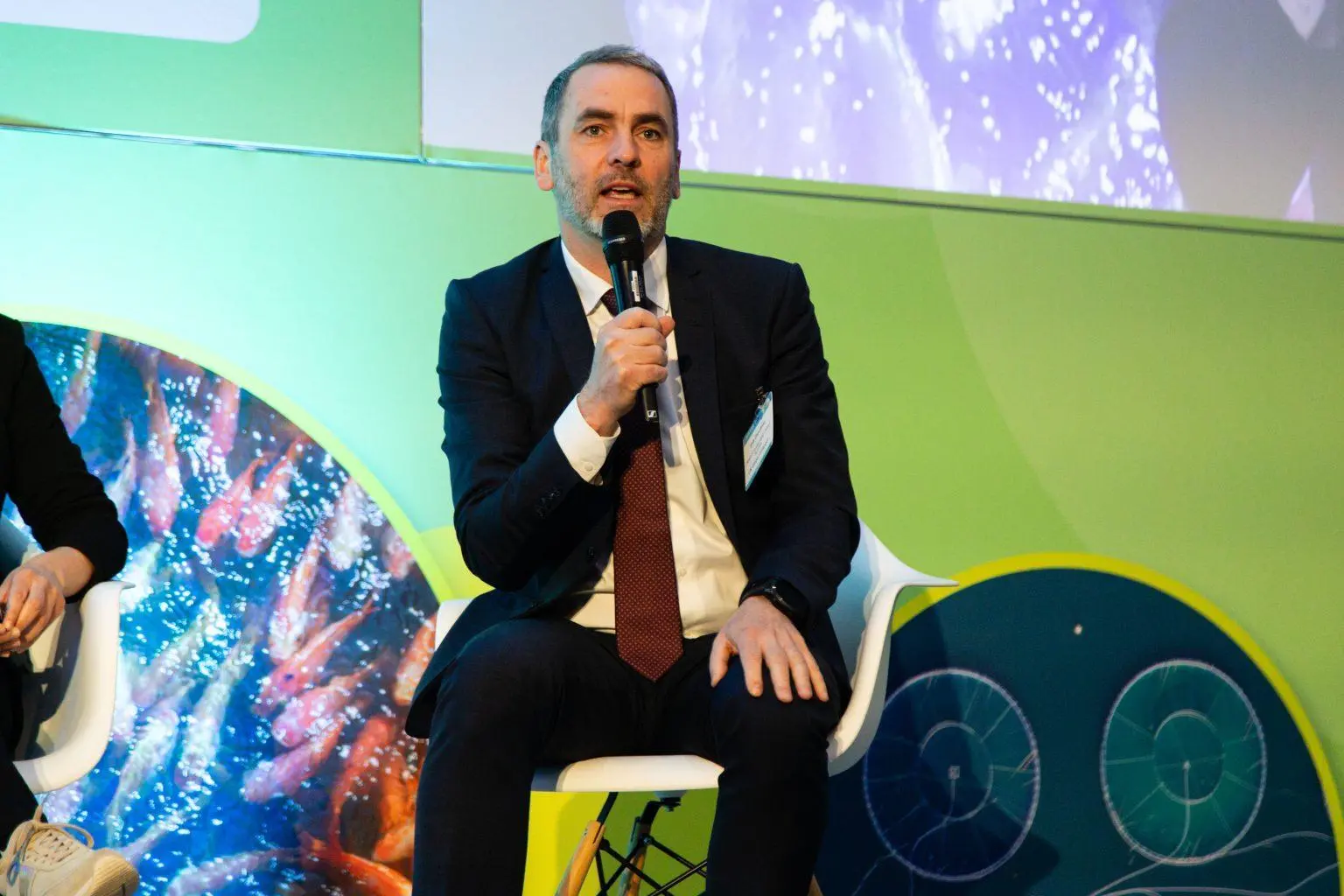
In this regard, Giercksky pointed to salmon farming for inspiration, which he said delivers a fantastic product but is still quite limited in volume terms when it comes to feeding the world population. Nevertheless, it’s essential that knowledge and technology is transferred from the “silicon fjords” of Norway and Chile to other blue food production sectors, he said.
“I think a crucial point for this industry to really grow is to have a trickle down of this knowledge and investments into other parts of the world.”
From the salmon sector, Cermaq Global CEO Steven Rafferty told the conference that 80% of global production continues to come from just two countries – Norway and Chile, and that the overall growth has been “very limited” over the past four-to-five years.
“It is growing more this year, but we have struggled as an industry to really expand,” Rafferty said.
Part of the reason for this, he explained, is down to climate changes, including higher water temperatures.
“In fact, most of the production countries today are the same as they were 20 years ago, maybe with the exception of Iceland that is growing quite strongly.”
Farming salmon is very capital-intensive, and the reason that producers are able to do it is the profit margins on production have been quite high over the past 10-to-15 years, Rafferty said, adding that this has allowed companies to reinvest on a large scale.
“The dilemma we now face is the traditional ways of producing salmon are coming under more pressure, and we need much more innovation, new technologies to grow salmon within more challenging conditions. We can produce salmon on land. We can produce salmon in types of closed containment systems in the sea, but these are extremely expensive and they’re new innovations, so it’s taking time to scale up, and that’s really why we’ve not seen too much development. But we’re very confident that we’ll keep on going. There’s a lot of new technologies coming, and lots of new innovation.”
However, the challenge for increasing aquaculture generally and globally is how to transfer the technology from salmon – “the most robust, industrialised producer of fish” to other species in other parts of the world that have less ability to invest big money, he said.
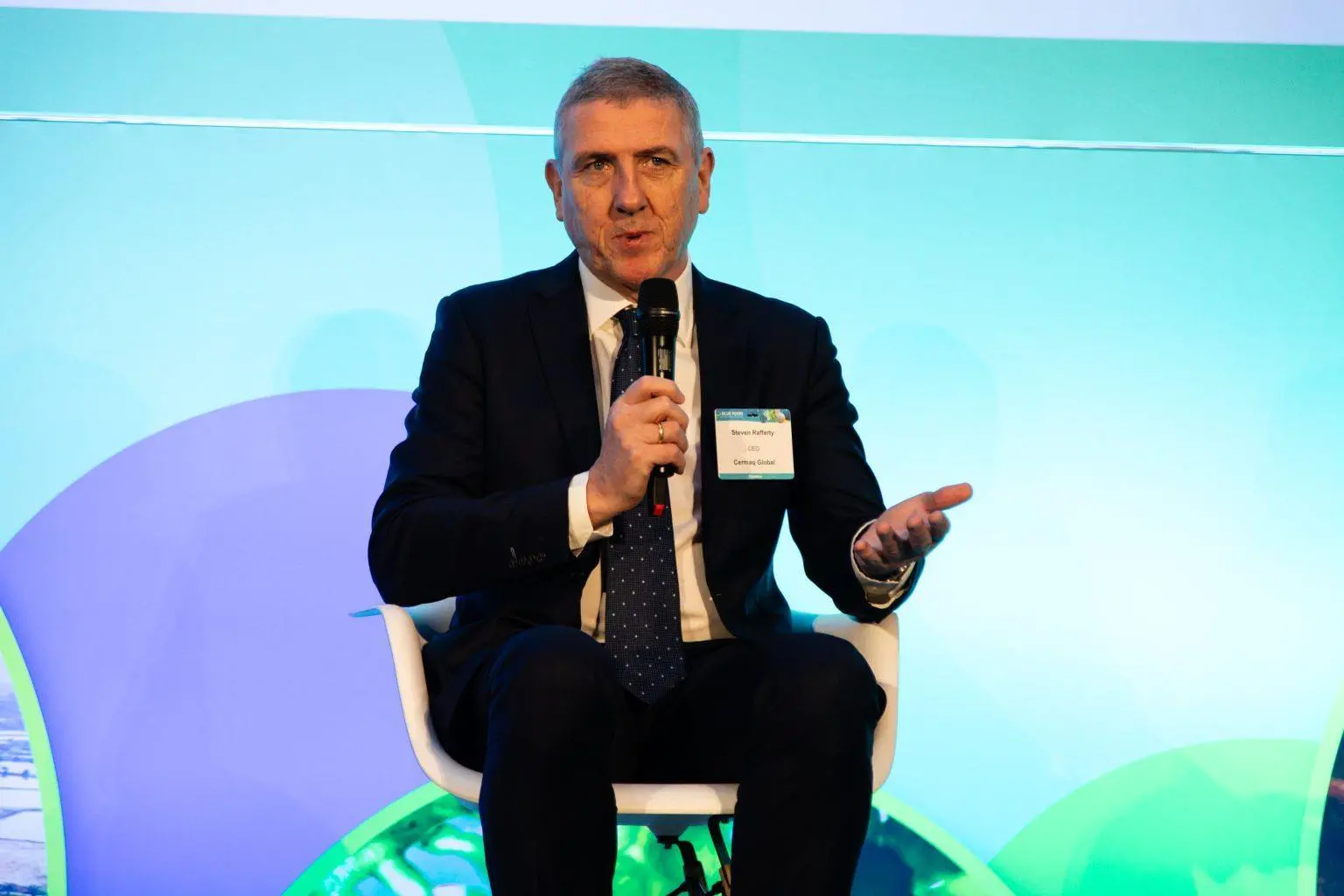
“We’re in all cold places – in the north or southern hemisphere – but if you want to feed the world in places like Asia and particularly Africa, it’s not possible to produce salmon. But one of the things we’re able to do is transfer knowledge, technology development, know-how on starting up an industry, and that’s the biggest challenge facing the growth of aquaculture.”
Underlining the part a technology strategy plays in the salmon industry, Mowi Chief Technology and Sustainability Officer Catarina Martins said that a lot of the production increase that Mowi has achieved in recent years – an additional 225,000 tonnes since 2018 – has come from organic growth, with the application of new technologies.
The producer’s goal is to produce a total 650,000 tonnes by 2029.
Martins is also confident that as they become upscaled and cheap enough, these solutions, including digitised and automated innovations, will help more salmon producers and indeed be transferred to other species and regions.
Extension issues
Salmon is the pinnacle of aquaculture production in terms of innovation and technology adoption, and the challenge is getting that to the rest of the world, agreed Aquaculture Stewardship Council (ASC) CEO Chris Ninnes, highlighting that over 90% of seafood farming takes place in Asia, and that most of that production is also consumed in the region.
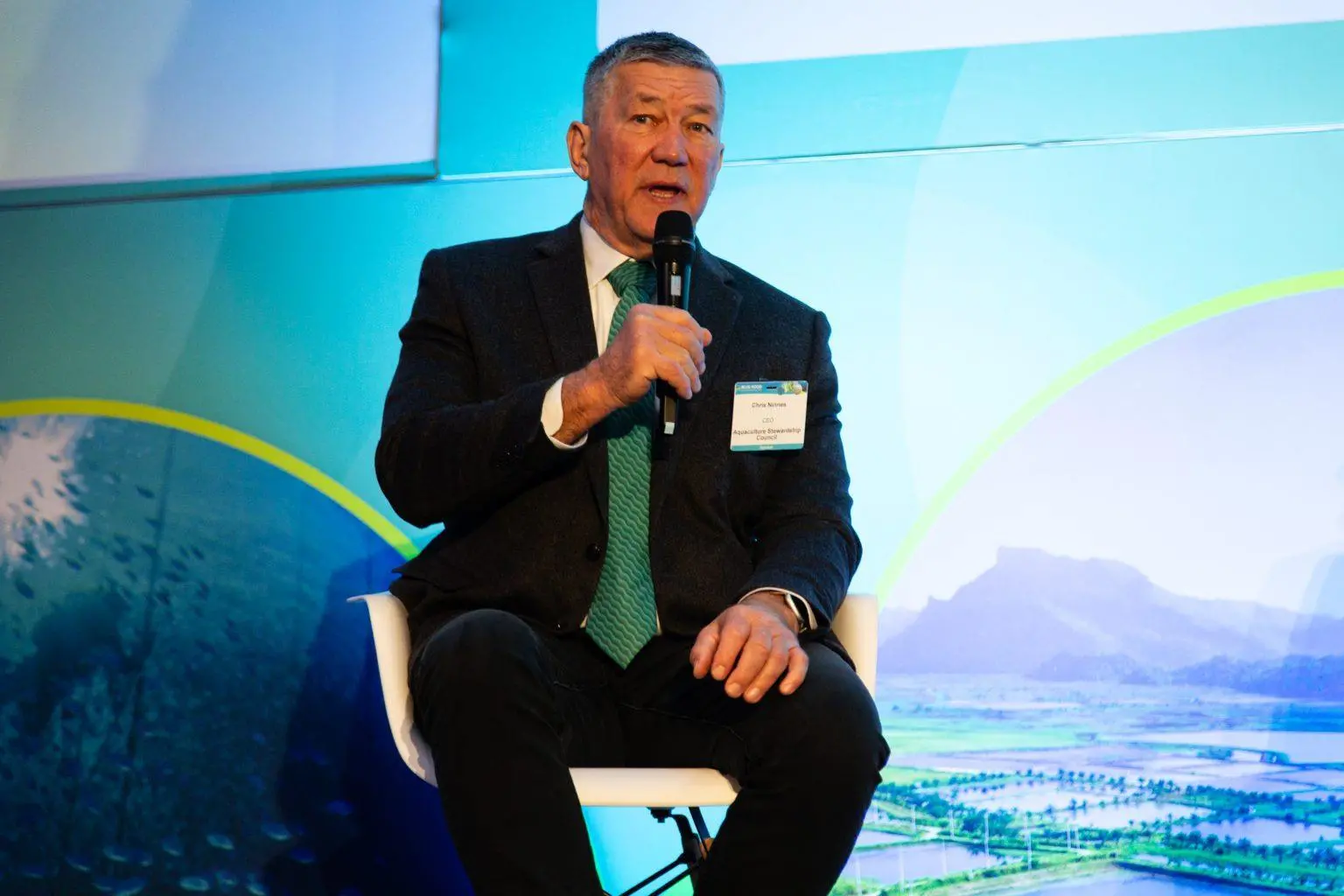
“The farming conditions there are very, very different, but there are still the same problems: there is a lack of technology; there is a lack of innovation; there is also a fundamental lack of access to formal credit, which is a huge problem for many small-scale farmers; and there’s an almost complete absence of insurance, and that’s a very big limitation for producers.”
The farmed seafood certification programme has been very successful over the last decade, Ninnes said, noting that 40% of the salmon produced globally is now certified to the ASC standard.
“That’s a great accolade for the sector. It’s a great accolade for us and those partnerships that drive it, but to drive that sort of success into Asia, we need very different approaches.”
Factoring in the anticipated production in 2030, including the additional 25 million tonnes, ASC has estimated that only just under a quarter of the overall production will actually be going into markets demanding sustainability.
“The incentives created through retailers wanting seafood of a better performance exists as a main incentive pathway for us, but for Asia, we’ve also then got to think about what incentive pathways are there to drive improvements in 75% of that production. And that’s a big, big challenge.”
On this, Giercksky told the conference to remember the number “1-1-2-5”, calling it his global population “pin code” for 2050, and explaining that within the next 25 years an estimated 1 billion people will live in the Americas, 1 billion will live in greater Europe, 2 billion people in Africa, and 5 billion will live in Asia.
“So, we have to get this right now, because it’s rapidly growing, both in Africa and Asia. And it’s not about market control, it’s about sustainability awareness, a common future. This is a great, common challenge that we all have to address, because it’s a massive opportunity for technology and collaboration globally to build a massive, large aquaculture industry, which is sustainable,” he said.
European hopes
Giving the European Commission’s perspective, Directorate General for Maritime Affairs and Fisheries Lorella de la Cruz Iglesias acknowledged there’s currently no growth in EU aquaculture, and that is despite there being plenty of recognition at a political level that the region needs to develop the industry for several reasons, including food security, and jobs and livelihoods in coastal and rural communities.
To remedy this, a strategy was adopted by the Commission in 2021 that sought to identify all the different obstacles to the growth of aquaculture in the EU. This strategy is now being implemented with member states, Iglesias said.
Meanwhile, the FAO’s Guidelines for Sustainable Aquaculture (GSA), adopted last year by the organisation’s Committee on Fisheries, shows countries around the world how to plan and have a strategy for aquaculture growth.
“I think it’s a real milestone, because now we have a document that has been adopted in the Food and Agriculture Organisation, which really details how to plan, how to create a strategy to grow aquaculture, while ensuring economic, social and environmental sustainability. I think that’s something that’s very valuable.
“Now we’re trying to support the FAO to implement this in many different countries around the world, and in our own policy of cooperation with those countries. We will have this as a reference in order to ensure that whatever we support is sustainable in the long-term. It will lead to a more resilient sector and is something that will really contribute to livelihoods, nutrition and food security,” she said.
On the innovation and technology side, Iglesias believes Europe has made some good progress, with a lot of EU-funded projects (some with overseas partners) yielding “a lot of interesting results”.
There is, though, a lot more that needs to be done to bring these innovations, knowledge and the results of those projects to an industry that in the bloc is 90% composed of micro- and small businesses, she said.
“We need practical and affordable solutions for the industry. I think from the beginning, there has to be some kind of co-creation element in the knowledge and innovation, bringing in producers and understanding their needs and their conditions. Because if you propose something that’s very interesting, but isn’t affordable or practical for the producers, then nothing will happen on the ground.”
She continued: “We are trying to promote dissemination of the results. For example, on issues that we have identified as problematic in terms of the growth of EU aquaculture, we are looking in our recommendations to member states and the sector. We are also looking into the results of existing EU-funded projects, so we are not starting from scratch. We are going through all these projects to see what are the lessons to learn in terms of how to support the sector further. And we’re also trying to promote investment, because in order to bring innovation to the sector, we need private investment.
“The innovation is there. I think the EU and Europe in general is really elite in terms of innovation in aquaculture, the challenge is to make this innovation happen in the sector.”
Related Articles
 AQUACULTURE
 AQUACULTURE
 AQUACULTURE