



A water degassing system supplied by aquaculture technology company Innovasea has helped improve trout egg production at Utah’s Mantua Fish Hatchery, following the site’s latest round of modernisation.
According to Innovasea, the installation of a vacuum degasser at the hatchery has significantly reduced total gas pressure (TGP) in the water supply – a key factor affecting broodstock health and egg viability. The system has lowered TGP levels from highs of around 120% to as low as 90%, surpassing the hatchery’s original performance targets.
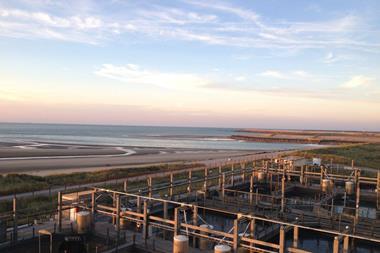
Mantua Fish Hatchery, which was first constructed in 1910, has undergone multiple renovations over the years, with the most recent upgrade completed in 2024 as part of a state-led initiative to increase trout egg production. The project aims to better utilise the site’s naturally cold water resources while improving conditions for broodstock, eggs and fry.
Innovasea worked with hatchery staff to assess water quality challenges and optimise the system for local conditions.
“By combining their operational insights with our technical expertise, we were able to optimise the system to deliver consistent results for improved egg production,” Innovasea Vice President Marc Turano said.
The vacuum degassing system removes excess dissolved gas by passing water through a negative-pressure chamber, rapidly reducing TGP levels. Elevated gas concentrations can be harmful to eggs and fry, making degassing a critical step in maintaining stable hatchery conditions.
“The Innovasea degasser has been the perfect solution for us,” said Roger Mellenthin, Fish Culture Coordinator at Mantua Fish Hatchery. “It’s simple, effective, and requires little maintenance.”
The degassing system forms part of a broader upgrade at the facility, which also included new egg-handling infrastructure, additional disinfection stations and physical barriers to limit the spread of invasive species.
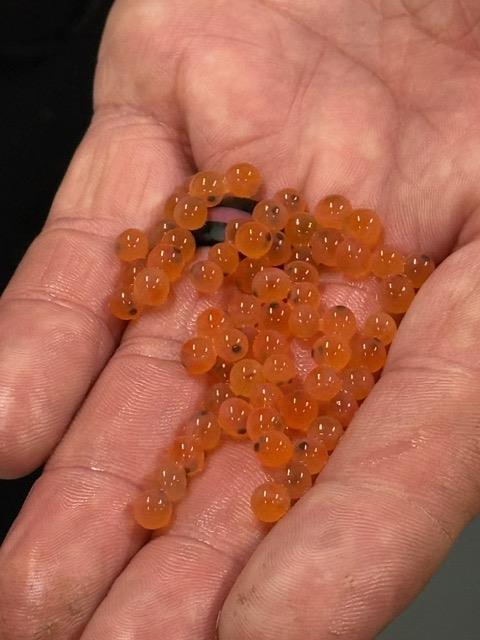
Mantua Fish Hatchery produces more than six million trout eggs annually, primarily cutthroat and rainbow trout. The site accounts for approximately 30% of Utah’s farm-produced trout, making it a significant contributor to the state’s aquaculture and stocking programmes.