



Salmon farms urge caution on HPMAs
The trade body for Scottish salmon has raised concerns with the three First Ministerial candidates about a proposed ban on marine activity in coastal waters around Scotland.
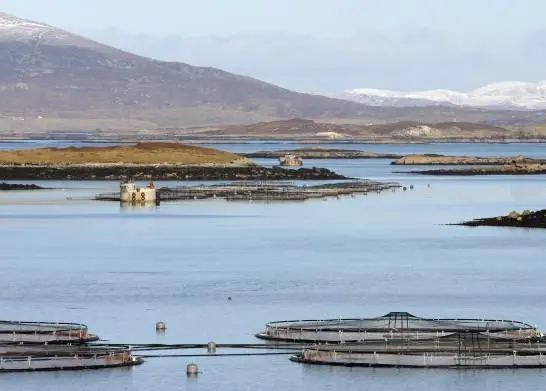
Salmon Scotland chief executive Tavish Scott is also urging the MSPs to address the housing crisis blighting rural communities and streamline the aquaculture licensing process.
In his letter to candidates Kate Forbes, Ash Regan and Humza Yousaf, Mr Scott said: “Scottish salmon adds £760 million-a-year to the country’s economy, we are the UK’s biggest food export, and the sector employs more than 2,500 people in fragile, coastal communities across rural and island Scotland, with a further 10,000 Scottish jobs dependent on the supply chain.”
Addressing the consultation on highly protected marine areas (HPMA) which could see 10% of coastal waters closed, Mr Scott urged the government to consider the potential impacts on local communities and the wider national supply chain. “That is yet to happen and if government does proceed with this policy, a thorough understanding of the impact on business, livelihoods and communities is essential,” he said.
Kate Forbes has pledged to scrap the HPMA proposals, arguing there is ‘no evidence’ that they achieve their aims.
Salmon Scotland has previously highlighted the plight of rural communities thanks to a lack of affordable housing. “We propose that £10 million of the rents paid by salmon farmers to Crown Estate Scotland be ringfenced for direct investment in rural housing,” said Mr Scott in his letter.
He also drew attention to the licensing process for salmon farms, calling it ‘unnecessarily long and complex’, a sentiment echoed by Professor Russel Griggs in his independent review of aquaculture published more than a year ago and calling for ‘urgent change’.
“If the system is streamlined our sector can be more competitive on the global arena,” concluded Mr Scott. “Our ask is for faster progress on implementing Prof Griggs’ recommendations, which have already been accepted by the Scottish government.”
Related Articles
 AQUACULTURE
 AQUACULTURE
 AQUACULTURE