


Security specialist G4S has expanded its role in protecting one of East Africa’s largest aquaculture operations, securing a major tilapia farm on the shores of Lake Victoria as commercial fish production in the region grows in scale and value.
The site in Buikwe, Uganda, is owned by Yalelo, one of Sub-Saharan Africa’s largest aquaculture businesses. The farm currently produces around 8,400 tonnes of tilapia annually, with plans underway to increase production capacity to 30,000 tonnes.
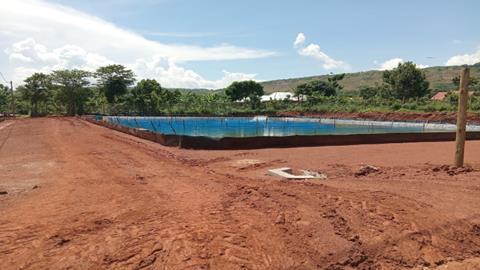
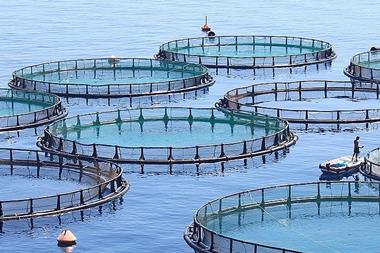
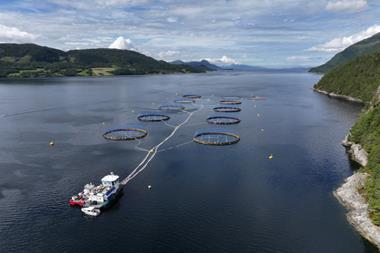
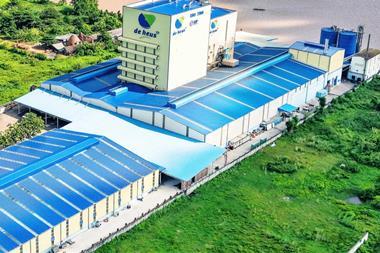
G4S Uganda has been contracted to secure the entire production cycle across both land and water operations. This includes hatchery systems, feed and storage facilities, logistical infrastructure, pond management areas, processing zones and offshore fish cages located in designated cultivation areas on the lake.
The project presents unique operational challenges due to the site’s terrain, proximity to open water and surrounding wildlife habitats. Security teams are required to monitor shoreline activity, coordinate marine patrols and protect specialised infrastructure critical to fish production.
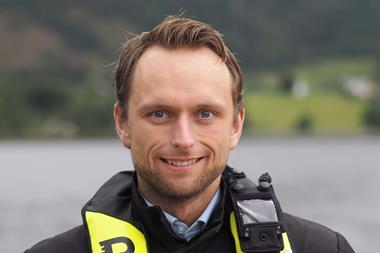
Fred Mugenyi, chief operating officer at G4S Uganda, told World Fishing & Aquaculture that criminal activity targeting aquaculture operations was becoming increasingly sophisticated as commercial fishing expanded across the region.
“The commercialisation of fishing across the region means that it has become more of an attractive target for organised crime, since the spoils are more lucrative now,” he said.
“Machinery and technology are in their sights but so is the abundance of fish – as well as the cages, local fish are attracted to the area because some food will always escape.”
He added that the security threat profile had evolved beyond isolated illegal fishing incidents.
“Previously the main security risk was illegal fishing carried out by individuals or small groups. The threat actor profile is more sophisticated now.”
The operation requires security personnel to protect biologically sensitive environments, particularly hatchery facilities where fingerlings are bred and raised under controlled conditions. Strict monitoring is required to prevent contamination and maintain environmental compliance standards.
Once matured, the fish are transferred to offshore cages for further growth before harvesting and transportation to processing facilities. G4S oversees access control, dispatch monitoring and anti-tampering procedures throughout the supply chain.
Environmental protection also forms part of the company’s security responsibilities, particularly around wildlife management and preserving the lake’s ecosystem.
“All our security officers undertake training on how to protect and preserve local wildlife,” said Mugenyi.
“For example, if a snake is found within the premises, it is handed over to the Uganda Wildlife Society.”
He said officers also regularly inspect cage nets to minimise disruption to local predator species and prevent interference with natural feeding cycles.
To address operational risks linked to water-based activities, all security officers undergo swimming proficiency testing, marine patrol orientation and water safety training. Boat patrols are conducted at night when security risks increase.
As production expands, technology is expected to play a larger role in securing the site.
“Technology will have a part to play in helping us cover larger operational areas,” Mugenyi said.
“Possible options include introducing long-range and infra-red cameras as well as drones.”