





Scotland’s rural housing crisis
Salmon farmers are calling for £10 million a year in licence fees to be reinvested in affordable housing to tackle the growing property crisis in rural Scotland.
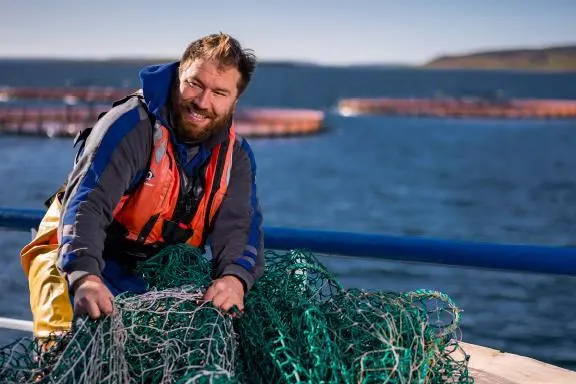
New analysis by Salmon Scotland shows that average prices in areas where salmon farms operate have risen more sharply than the national average. This lack of affordable housing is affecting the ability of people to live and work in Highland and Island communities.
Scottish salmon generates more than 2,500 jobs across these regions, helping tackle de-population. “The farm-raised Scottish salmon sector creates jobs and wealth right across Scotland, but we believe our neighbours – the people who live closest to our salmon farms – should be the ones who benefit the most,” said Tavish Scott, chief executive of Salmon Scotland.
At present, salmon farming contributes more than £5m directly to Crown Estate Scotland (CES), or more than a fifth of the quango’s revenues, with this fee set to nearly double. But CES overall revenues are expected to quadruple this year thanks to ScotWind offshore licensing fees.
Salmon Scotland is therefore launching the campaign to overhaul the current system so that these millions are ringfenced for coastal areas, echoing the system in Norway where rents are used to benefit local communities.
“Rather than this money going into a central pot in Edinburgh, seabed rents paid to the Crown Estate should be returned to benefit our coastal communities,” said Tavish Scott.
“Salmon farmers are embedded in their local communities and want the economic benefit generated by Scotland’s biggest food export to be shared in the local communities where they operate,” he concluded.
Related Articles
 AQUACULTURE
 BUSINESS & FINANCE
 AQUACULTURE