



The United Kingdom risks missing out on a fast-growing global seaweed industry worth more than £6 billion, as regulatory hurdles and slow policy development continue to constrain the sector’s expansion, according to industry stakeholders and researchers.
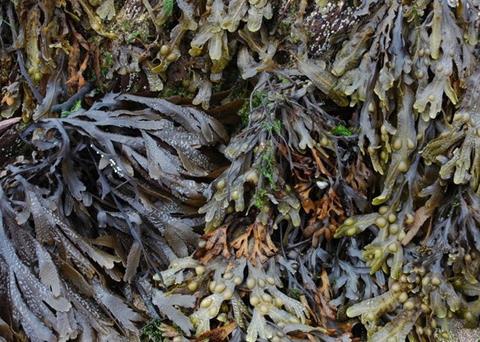
A new policy brief from University College London (UCL), “Seaweed and the bioeconomy: enabling growth through aquaculture policy”, argues that the UK is well placed to become a global leader in seaweed farming and processing, given its 7,000-mile coastline and advanced biomanufacturing capabilities. The global seaweed market is forecast to reach a value of approximately £13.7 billion by 2034.
However, the report identifies a series of barriers holding back growth, including complex and time-consuming licensing processes, limited understanding of seaweed’s economic and environmental benefits, and a lack of targeted financial incentives to support farming, processing, research and market development.
The findings come as the UK Seaweed Network prepares to formally launch at an event in the UK Parliament. The network, developed by the Scottish Seaweed Industry Association (SSIA) in collaboration with the UK Agri-Tech Centre, WWF-UK, the Fishmongers’ Company and UCL, aims to strengthen coordination across the emerging sector and improve the UK’s competitiveness in the global seaweed market.
Rhianna Rees, CEO of the SSIA, said the sector’s growth potential was being held back by policy inertia.
“The UK has a phenomenal coastline and one of the most advanced biomanufacturing sectors in the world,” Rees said. “With seaweed increasingly in demand not just for food and health products, but across a vast array of applications, the opportunity open to the UK is enormous.”
Global forecasts suggest the seaweed sector could grow at an annual rate of 9.5%, a trend that Rees said could translate into significant economic benefits for coastal communities if barriers were removed.
“The UK Seaweed Network is about connection and collaboration,” she said. “Until now, regional strengths have largely operated in isolation. This initiative brings farmers, researchers, processors, innovators and policymakers together to build a shared vision for growth.”
Seaweed farming and harvesting is expanding rapidly worldwide due to its role as a sustainable source of ingredients for food, pharmaceuticals, cosmetics and industrial applications. Seaweed-derived products are increasingly used in packaging, fertilisers and bio-based materials as alternatives to fossil fuel–derived inputs.
Beyond its commercial value, seaweed also delivers environmental benefits. As it grows, it can improve local water quality, provide habitat for marine life, reduce coastal erosion and help mitigate nutrient pollution caused by agricultural runoff.
Dr Emily Kostas, Lecturer in Sustainable Biorefining and Bioprocessing at UCL, said domestic production could help reduce the UK’s reliance on imports while supporting broader bioeconomy goals.
“Seaweed is increasingly seen as a critical resource for the UK’s bioeconomy, but we are currently importing the vast majority of what we need,” she said. “Growing our own sector could help address multiple challenges, but governments across the UK have a key role to play in reducing barriers to growth.”
To unlock the sector’s potential, the UK Seaweed Network is calling for streamlined licensing and planning processes, increased investment in processing infrastructure, stronger support for research and development, and improved financial incentives for investors. It also highlights the need to raise public awareness of seaweed’s benefits to build social licence and market demand.
“Seaweed already grows naturally in UK waters,” Rees said. “All we need to do is harness it. As new applications continue to emerge, the economic, social and environmental value of this resource will only increase.”