




Norway exported 2.8 million tonnes of seafood worth NOK 181.5 billion in 2025, setting a new all-time record in export value despite a challenging year marked by lower wild-catch quotas, falling salmon prices and growing trade friction with the United States.
The total export value was up NOK 6.4 billion, or 4%, from 2024 and corresponds to an estimated 38 million seafood meals every day throughout the year.
“2025 was a demanding year for seafood, with lower quotas and catches at record prices for all our most important wild-caught species,” said Christian Chramer, CEO of the Norwegian Seafood Council (NSC). “The year was also characterised by strong volume growth for salmon. Despite a significantly lower salmon price, it was a record year for Norwegian seafood exports in terms of value.”
The value record comes against a backdrop of heightened global trade uncertainty. Minister of Fisheries and Ocean Policy Marianne Sivertsen Næss said the performance underlined the sector’s resilience.
“The value record is impressive in a year characterised by increased turmoil in world trade. It says a lot about the seafood industry’s strong international competitiveness,” she said, adding that the government will continue to prioritise market access for seafood exports.
US tariffs disrupt momentum
Poland, the United States and China were Norway’s three largest seafood markets by value in 2025. Exports to the US accounted for 9% of total seafood exports, the highest share since 1989. However, momentum in the US market weakened over the course of the year after tariff increases in April and August lifted duties to 15% or more across all Norwegian seafood products.
“From being a market with record growth and an almost insatiable appetite for salmon and crab from Norway in the first half of 2025, US trade throughout the year was characterised by tariffs, a weaker dollar and weaker development,” Chramer said.
Export value to the US surged 55% year on year in the first quarter and was still up 20% in the second quarter, putting the country on track to become Norway’s largest seafood market for the first time. Growth slowed to 6% in the third-quarter before turning negative in the final quarter, when export value fell 1% year on year.
Despite the disruption, the US remains strategically important. “The US is by far the world’s largest market for salmon consumption and has been one of our largest growth markets over time, also in 2025,” Chramer said.
Europe still dominant, China the growth engine
Europe remained Norway’s largest regional market, although its share of total export value fell from 67% to 63%. Poland retained its position as Norway’s single largest seafood market for the 12th consecutive year, importing seafood worth NOK 19.1 billion, up 6%.
“Poland is an important processing market, but we see that consumption of Norwegian salmon has increased significantly there in recent years,” Chramer said.
China delivered the strongest value growth of any market in 2025. Export value rose by NOK 2.9 billion, or 31%, to NOK 12.3 billion, lifting China from sixth to third place among Norway’s export destinations.
“Thanks to increased e-commerce, better distribution channels and strong growth in salmon consumption, China became a growth engine for Norwegian seafood exports in 2025,” Chramer said.
Norway has never exported seafood to China at a higher value, with particularly strong growth in salmon, prawns, redfish and Greenland halibut. Salmon volumes to China doubled year on year as falling prices and broader size specifications boosted demand.
Long-term growth slows
Norwegian seafood exports have more than doubled in value over the past decade, rising from NOK 74.5 billion in 2015 to NOK 181.5 billion in 2025. However, Chramer noted that growth has moderated for the second consecutive year.
“After strong growth in export value from 2021 to 2023, we have seen growth in both 2024 and 2025 that barely exceeds general price growth in Norway,” he said, citing quota cuts, weak salmon price development and new US tariffs as key factors.
Pressure on the onshore sector
High prices and reduced availability of wild fish weighed heavily on Norway’s onshore processing industry.
“The strong price growth for cod and mackerel has been challenging for the onshore industry. Those who process fish and create jobs along the coast now have lower volumes of wild fish available and face a very tough economic situation,” Chramer said.
Currency movements also offered little support. The Norwegian krone strengthened against the US dollar and several Asian currencies in 2025, while remaining stable against the euro, eliminating the currency tailwind seen in previous years.
Aquaculture drives volume, fisheries drive prices
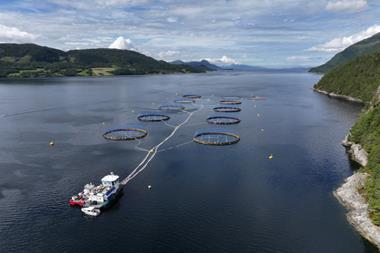
Aquaculture accounted for 73% of total export value and 54% of export volume in 2025. Norway exported 1.5 million tonnes of farmed seafood worth NOK 133.4 billion, with volumes up 13.1% year on year and value up 2%.
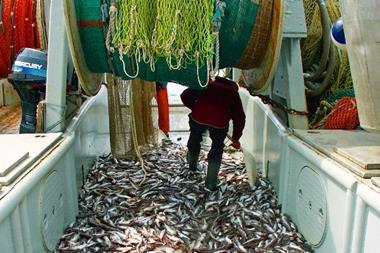
Fisheries exports totalled 1.3 million tonnes, down 12.5% in volume, but value rose 7% to NOK 48.1 billion due to higher prices.
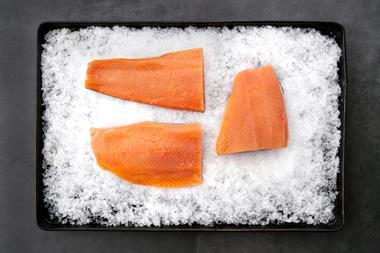
Salmon remained by far Norway’s most valuable export species, with shipments of 1.41 million tonnes worth NOK 124.7 billion. Volumes rose 13%, while value increased 2%, setting a new record and surpassing the previous high set in 2024.
“Favourable production conditions, including high sea temperatures, resulted in strong growth in production in 2025,” said NSC Seafood Analyst Paul Aandahl. “In addition to the increase in total volume, the average size of the fish also increased, shifting exports towards markets that want large fish.”
Norway gains share in China
China was also the standout growth market for salmon specifically. Export value jumped 59% to NOK 8.1 billion, while volumes surged 99% to just over 90,900 tonnes.
“The growth is due to a combination of a sharp increase in Chinese salmon consumption and Norway gaining market share,” said Sigmund Bjørgo, the Council’s envoy to China. Up to November, China’s total salmon imports from all origins were up 48% year on year, while Norway’s market share increased from 41% to 57%.
“This growth is fuelled by high popularity, competitive prices and a large supply of salmon that China demands,” Bjørgo said.