


Connectivity brings Kroma even closer to the value chain
With a history dating back almost 110 years and close to 50 years in the fish processing industry, family-owned Kroma A/S has achieved great success by moving with the times. The Danish firm’s journey began with the development of equipment for gutting trout and then later, mackerel. Then, two years into the 21st century, and coinciding with a change in company name, there was a change in direction – towards product development.
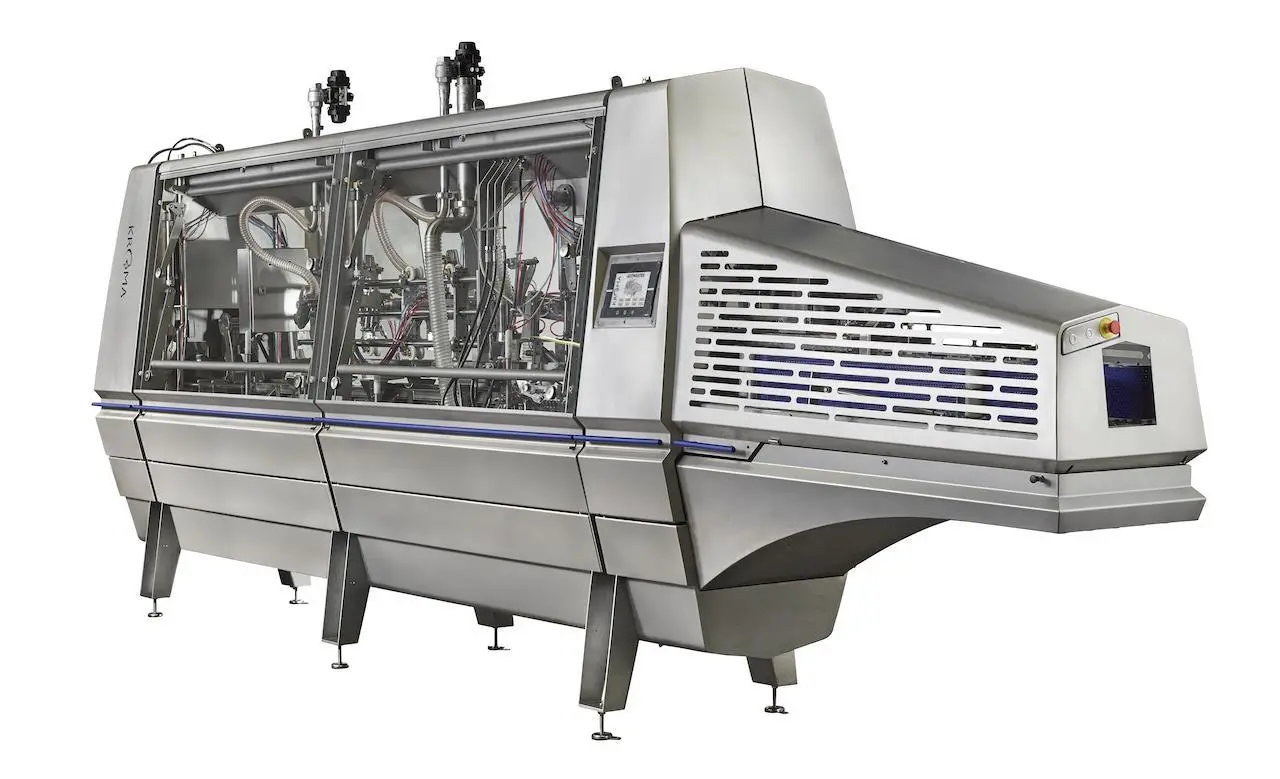
Today, Kroma is known around the world for developing unique processing solutions, incorporating machines that deliver products of the highest quality and which are capable of working with a variety of species, as well as for working with its customer partners on achieving greater levels of efficiency, yield and sustainability.
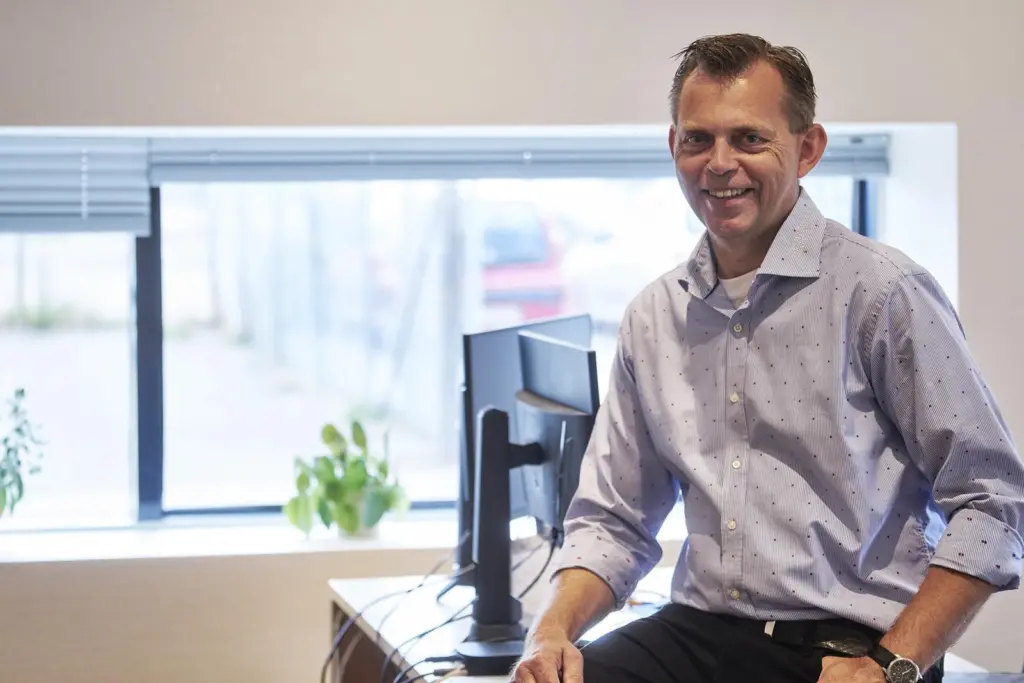
There has been significant progress since the first trout gutting machine that it manufactured and sold to Ravnstrup Mølle in 1975, acknowledges Kroma CEO Ivan Kristensen, who also joined the company in 2002.
“Since 2002, we’ve only been focussed on primary processing solutions, and that focus is still going into all of our current machines. Filleting machines and gutting machines are our main business – indeed, we say that when a fish is full of water and blood, then it’s very good for us,” Kristensen told WF.
New geographies
The evolution of Kroma’s processing machines has brought a number of gamechangers. Kristensen gave the example of measuring the size of fish going into the equipment, which is something the company has been enabling since 1975. But in the mid-noughties, it introduced its unique 16-step system, which makes machines such as its industry-leading GUTMASTERs incredibly flexible.
With the fish automatically measured in the machines and put into one of 16 different categories and sizes, the knives for removing the abdomen and gills are instantly adjusted. They also ensure the gutting of each fish is efficient, precise and achieved without any output loss.
“Processors can work with a large range of sizes – from small to very large fish – all in the same machine,” Kristensen said, adding that the principles behind Kroma’s solutions have largely remained the same, while the technologies applied have become increasingly sophisticated.
In more recent years, to minimise risks, factories have also been focusing much more on hygiene issues. As such, it’s crucial that all machines can be thoroughly cleaned and that cleaning crews can get easy access to all parts and areas of the equipment, he said.
“That’s something we really look at closely when we’re designing new machines. Everyone wants a clean fish when it comes out of a gutting machine in the same way that they want a straight fillet coming out of a filleting machine.”
With regards to markets, Kroma’s historical focus has been on the European fish processing market, but it has recently added an agency in the United States and is now eyeing the Middle East and Asian markets in line with the increased aquaculture operations in those regions.
“It makes sense for Kroma to be in those places too,” Kristensen said.
These endeavours will also enable the company to extend its equipment’s application to more warmwater species, he added.
Remote services
Aligned with its geographical expansion plans, Kroma sees a lot of potential in scaling up its service offering. The company already has a number of technical engineers who install and service fish processing machinery for customers all over the world. It also has visiting field service technicians that conduct service or maintenance of any type of Kroma machinery upon request. Additionally, it offers Service Agreement contracts, which involve visits to facilities once or twice a year to inspect machinery and to make any necessary adjustments. And it has developed a “Remote Access Supervision” solution, which enables faults to be quickly corrected before they result in extensive production interruptions.
Beyond these facilities, it is about to launch an online service tool to help customers make adjustments to their Kroma equipment and to get them back up and running as quickly as possible after maintenance has been done.
From a smart phone or other device, technicians can, for example, track how well a connected machine is running, who is operating that equipment and actually putting the fish into it.
“We see this as a very important service. It’s something we have been developing for a while now,” Kristensen said. “Instead of our technicians travelling to these facilities, we can solve their issues remotely. We’re all a lot more connected today; we don’t have to use expensive air travel to solve every problem – this is a greener solution, with much lower carbon emissions, and we can make those fixes a lot quicker.”
The reaction from those processors that have trialled this new solution is very positive. “They’ve found it very helpful,” Kristensen remarked.
Similar connectivity is also being rolled out to users of Kroma’s Silagemaster waste handling system. Silagemaster was developed to utilise processing line by-products. It does this by processing any fish waste (trimmings etc) into easy storable silage that afterwards can be refined into additives for various purposes, including ingredients for the feed industry, as well as biogases, fertilisers and biofuels.
“Our connected service means that they can check the status of those tanks – how full they are etc., and also ascertain whether there’s an external buyer in place to collect those tanks.”
According to Kristensen, data-focused strategies such as these will consolidate Kroma’s position as an integral part of the value chain.
“That’s where we want to be,” he said.