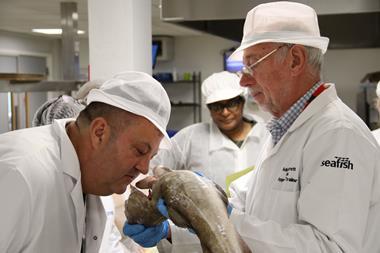




The UK Seafood Federation (UKSF) has welcomed the first apprentices to join its new Technical Apprenticeship Scheme, a flagship initiative designed to tackle long-standing skills shortages in seafood processing.
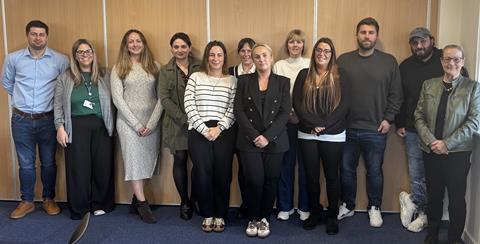
Developed in partnership with the University of Lincoln’s National Centre for Food Manufacturing (NCFM), the programme aims to build a pipeline of skilled technical professionals in areas such as quality assurance and new product development.
The scheme’s first cohort includes apprentices sponsored by New England Seafoods International, Hilton Seafoods and Thistle Seafoods. Participants are enrolled on a Level 3 Food Technologist Apprenticeship, which combines practical learning with enhanced seafood-specific masterclasses and industry events over a two-year period.
According to the federation, members are committed to expanding the programme, with opportunities for both school leavers and existing team members to gain qualifications and advance within the sector.
Luci Russell, Group Technical Director at New England Seafoods International and Chair of the Seafood Technical Apprenticeship Steering Group, said the scheme addresses one of the industry’s most pressing challenges.
“Technical roles are notoriously hard to fill, and as a group of UK Seafood Federation member businesses, we are committed to working together to address this challenge, helped by NCFM’s expertise in food technology apprenticeships and seafood processing,” she said.
Simon Dwyer, CEO of the UK Seafood Federation, highlighted the strategic importance of the initiative: “Addressing skills shortages in the seafood processing and trading sector is one of five key priorities of the Federation, and we are pleased to be leading this pioneering scheme to help grow participation in technical careers across the UK,” he said.
The UK Seafood Federation said the new scheme forms part of its wider efforts to promote career pathways in seafood, strengthen workforce development, and ensure the industry remains competitive as it adapts to evolving technical, sustainability and regulatory demands.