



A new global study suggests the fishing industry could dramatically increase the amount of seafood reaching consumers simply by reducing waste after fish are landed.
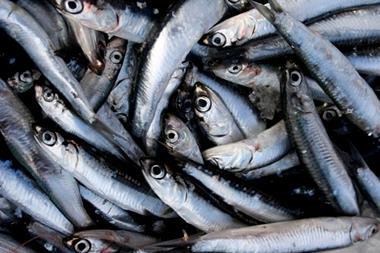
Researchers found that only about 54% of the world’s harvested fish is ultimately eaten by people, with the rest lost to spoilage, inefficient processing, poor storage or diverted to non-food uses such as fishmeal. By improving handling, storage and processing, that figure could potentially rise to 74% without catching a single extra fish.

The research, conducted by scientists at the UCL Energy Institute and collaborators, suggests that better post-harvest practices could generate what the authors call a ‘hidden harvest’.
If widely adopted, these improvements could deliver the equivalent of around 850 million extra portions of fish every day.
“Reducing waste, not simply increasing catch, is the key,” says the study. “Better handling, storage and processing could significantly increase food supply while easing pressure on already stressed fish stocks.”
Fish and seafood already provide more than 3.2 billion people with a major share of their animal protein, but supply chains often struggle to preserve quality between landing and the final market. Globally, researchers estimate 10–12 million tonnes of fish are lost each year because of spoilage, poor cold storage and inefficient handling.
These losses vary widely around the world. In wealthier regions with advanced refrigeration systems, spoilage rates can be below 3%. But in some tropical fisheries in sub-Saharan Africa, losses can reach as much as 30% of landings, often because fishers lack ice, cold storage or fast transport to markets.
READ MORE: Great Lakes end fish waste
READ MORE: From waste to wealth
The study highlights several practical solutions already being used successfully in different regions. These include improved cold-chain systems, better onoard handling, solar drying technologies and modern smoking ovens that extend shelf life.
The research also shows economic benefits. When more fish reaches the market instead of being lost, fixed costs such as boats, fuel and processing facilities are spread across a larger volume of saleable product. This could potentially reduce seafood prices by nearly 10% for consumers.
For fishing communities and aquaculture producers, the findings suggest that investment in post-harvest technology could be one of the fastest ways to increase incomes, improve food security and reduce pressure on marine ecosystems.