



Marking ten years since the World Tuna Day, the International Seafood Sustainability Foundation (ISSF) says global tuna fisheries have reached their strongest sustainability levels on record, following a decade of coordinated action across science, industry and management.
Tuna fisheries, which operate across all oceans and support millions of livelihoods, have long posed complex management challenges due to the migratory nature of species and the need for international cooperation.
Since ISSF began tracking progress in 2011, the proportion of tuna catch sourced from healthy stocks has risen from around 70% to 97%. Nearly all global catch now comes from stocks not experiencing overfishing, according to the foundation’s latest figures.
“These outcomes show what sustained, science-based collaboration can deliver,” said Susan Jackson, president of ISSF. “The progress reflected in today’s tuna fisheries is the result of coordinated action across science, industry and management.”
Key to that progress has been the adoption of science-based harvest strategies by regional fisheries management organisations, alongside increased transparency across fleets. ISSF said more than 1,800 vessels are now listed on its public register, while independent audits show company compliance with conservation measures has risen to around 99%.
Efforts to reduce environmental impact have also expanded, including the widespread use of non-entangling and biodegradable fish aggregating devices, as well as improved protections for sharks, turtles and other species.
The foundation said growing alignment between retailers, seafood companies and environmental groups has helped embed sustainability expectations across the global supply chain, with more than 70 companies now referencing ISSF tools in sourcing policies.
Despite the progress, challenges remain. ISSF warned that further work is needed to expand harvest strategies, strengthen ecosystem-based management and improve monitoring and enforcement.
“World Tuna Day is an opportunity to recognise progress, but also the need for continued action,” Jackson said. “Maintaining these gains requires ongoing commitment to transparency, collaboration and science-based practices.”
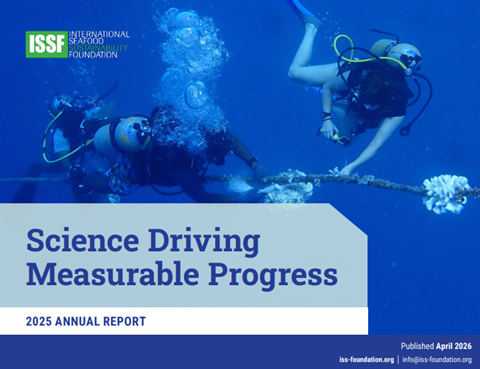
ISSF’s latest annual report sets out further detail on how these measures are shaping the future of global tuna fisheries.