


Revolutionising fishing – the valorisation of waste and by-products
Seafood is critical to global nutrition and food security, and its consumption is rising each year. However, increasing amounts also end up uneaten. A new report from the World Economic Forum (WEF) published in April 2024 found that 15% of fish and seafood in the food chain goes to waste. According to the report, the biggest sources of food loss and waste come from processing on land and discards from wild-capture fishing.
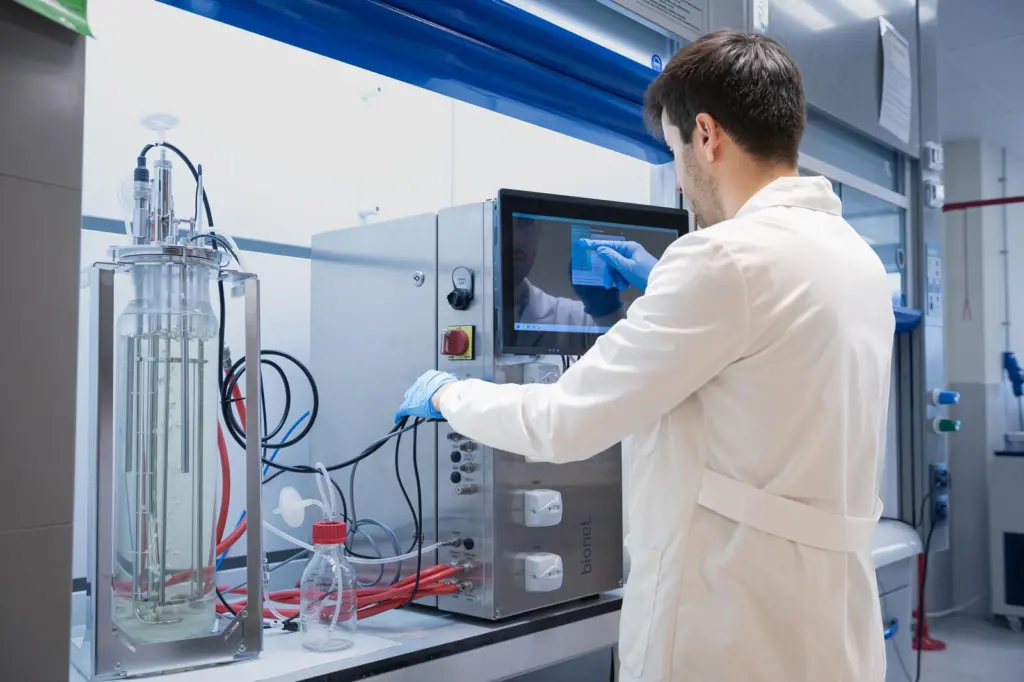
The size of this problem may be significant, but technology, innovation and collaboration are increasingly providing new strategies to be less wasteful. One such collaboration is an initiative known as the Valorish project, which began in response to the pressing need for sustainable solutions within the EU fishing industry. Its goal is to address the environmental and economic challenges posed by waste and by-products generated throughout the fish value chain, from residue produced during fishing and spoilage losses during distribution, to the processing of fish products.
“This work aims to develop innovative processes based on biotechnology for the sustainable valorisation of waste and by-products in the fishing industry, while producing high-value bio-products like food, food additives or nutraceuticals,” María Cámara, DEC Manager for the Valorish project, told WF. “This is key to achieving a circular economy in bio-based industry value chains. By developing bio-products using residues from the fishing industry, Valorish will enhance the sustainability of natural resource management, and open the door to high-value valorisation pathways instead of conventional ones, aligning with the Waste Framework Directive and the EU Bioeconomy Strategy.”
Computational methodologies
Seafood processors today face an array of challenges, such as waste generation due to by-products being underutilised or discarded, environmental regulations that demand sustainable waste management practices, market pressures for cost-effective operations while maintaining product quality, difficulty in valorising by-products due to a lack of scalable technologies, and market access for secondary products. On top of this, they also need to adapt rapidly to consumer preferences and the growing global trend among new generations of consumers who prefer products with a lower environmental impact.
Against this backdrop, the Valorish project will identify and analyse several feedstock types from the fishing industry, focusing primarily on by-products such as fish skin, muscles, heads, viscera, bones and side streams that are generated during processing.
The by-products are sourced from Pescanova and Anfaco, two project partners that are directly involved in the fish value chain. Anfaco is a private non-profit business association whose mission is to actively defend the interests of the seafood canning industry and provide them with high-value technological services to boost the sector’s competitiveness. Pescanova, meanwhile, is part of the Nueva Pescanova group, a leading multinational company that specialises in the fishing, farming, processing and commercialisation of seafood products.
The project will then develop a novel, computationally-assisted methodology for the design and implementation of a biorefinery with a cascade approach, to valorise fishing industry waste and by-products. This will be achieved through the extraction and bio-production of high-value bio-products, targeting applications such as food, nutraceuticals, food additives and supplements.
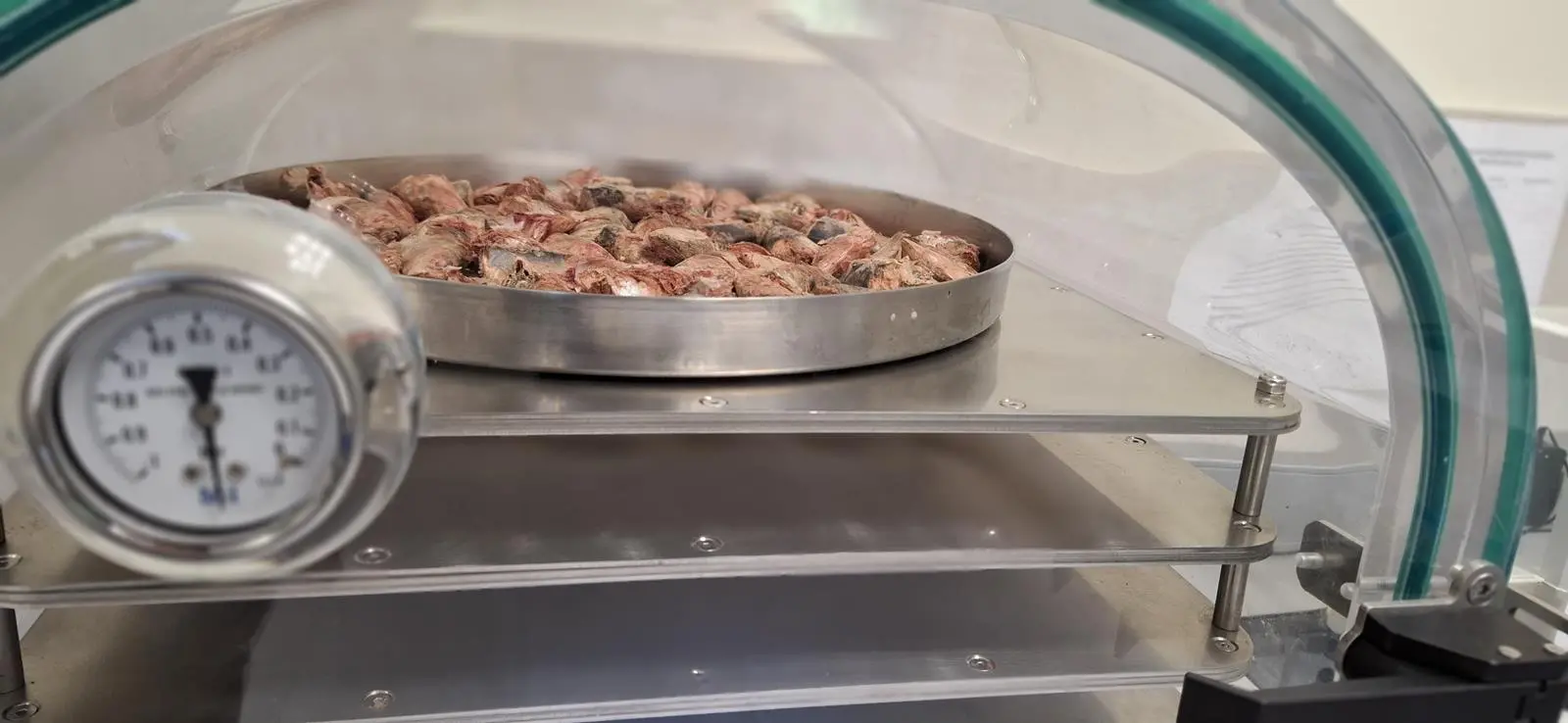
Key stages of the project include fish oil extraction, protein hydrolysis by fermentation, the production of high-value bio-products using fish protein hydrolysates (FPH) as a substrate for microbial growth and metabolite production, employment of fish oil, FPH and high-value bio-products, minimisation of biorefinery residues under a zero-waste goal, the application of computational tools to design, optimise, validate and scale up the biorefinery processes, an evaluation of the techno economic feasibility of core processes, and an assessment of environmental performance, social impact and acceptance of the Valorish process and products.
The use of computational tools in the project enables a comprehensive assessment and refinement of the processes, ensuring efficient resource utilisation and alignment with the project’s sustainability objectives.
“Seafood processing tends to generate by-products with highly valuable constituents that can be employed for human products,” said Igor De Las Heras, Valorish project coordinator. “Therefore, the computational methodologies developed in the Valorish project provide a robust framework to optimise seafood by-products by ensuring that valuable properties, such as nutritional and bioactive components, are preserved or enhanced throughout the biorefinery process. These methodologies are integral to guiding decisions at every stage, from raw material pre-treatment to final product formulation. Two examples are to employ bioinformatics to select bacteria that can hydrolyse proteins of the muscles of fish parts, or to produce bacteria metabolites that can be used as food preservatives in processing factories, extending shelf-life.”
Feedback towards the project has been overwhelmingly positive, said De Las Heras. Although it is at a very early stage, Pescanova has recognised the potential of the project’s technologies to obtain high value-added products such as omega-3-rich fish oils and protein hydrolysates. Seafood processors that have supplied by-products have also been cooperative from the beginning and interested in the project’s final goals. Anticipated positive impacts for seafood processors include improved waste management practices, increased profitability from secondary products, and alignment with sustainability goals.
Innovation platforms
To prepare for and take advantage of projects like Valorish, De Las Heras says that there are several ways for seafood processors.
“Technology development is of the utmost importance, so seafood processors should proactively invest in training programmes to equip their workforce with the skills needed to adopt and implement innovative technologies,” he said. “In the same way, upgrading infrastructure to support advanced processing methods, along with implementing digital management systems, will enhance efficiency by tracking both inputs and waste.
“Close communication and collaborating with research initiatives will allow them to pilot innovative solutions and stay at the forefront of industry advancements. For example, by assessing their waste streams, they can identify opportunities for valorisation, which is a key part of sustainable practices. This collaboration could indeed provide critical information for validating the proposed technological processes in the Valorish project, ensuring that the solutions are technologically feasible and adaptable to the processors’ operations.”
In the meantime, emerging technology, such as AI, is becoming increasingly prominent in the seafood sector as useful tools for the optimisation of processes from supply chain logistics to improving overall performance and minimising waste and emissions. De Las Heras and his team believe that over the next few years, these types of technologies will help to create a new symbiosis between traditional seafood processing industries and bio-economy concepts like biorefineries that can upcycle products, aiming for zero-waste and zero-emissions industries.
Officially launched in May 2024, the Valorish project will run until October 2027. While currently focusing on feedstock analysis, selection, preparation and bioprocesses development, De Las Heras and his team will be moving towards analysis of the bio-products and validation in real food applications.
“Valorish has a specific roadmap to bring its developments to a pilot scale, where the biorefinery concept can be validated in a relevant environment,” said De Las Heras. “An exploitation plan has been defined, including how the results can be taken up by the industry and upscaled at an industrial scale in the EU and beyond. We expect that the project will have a significant impact on the fishing industry in the medium and long-term.”
Related Articles
 PROCESSING & REFRIGERATION
 SEAFOOD
 SEAFOOD