



‘Know your fish, understand your side-stream potential’
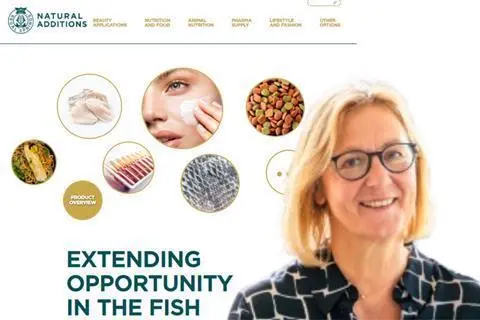
Using 100% of each fish caught or farmed is a “moral obligation”, according to Petra Weigl, Managing Director of Regal Springs Europe and Global Head of the company’s Natural Additions Division. It’s from the latter that she oversees all by-product sales within the Zurich-based, Swiss-owned tilapia producer’s full fish utilisation strategies, ensuring every part of their production is put to valuable use.
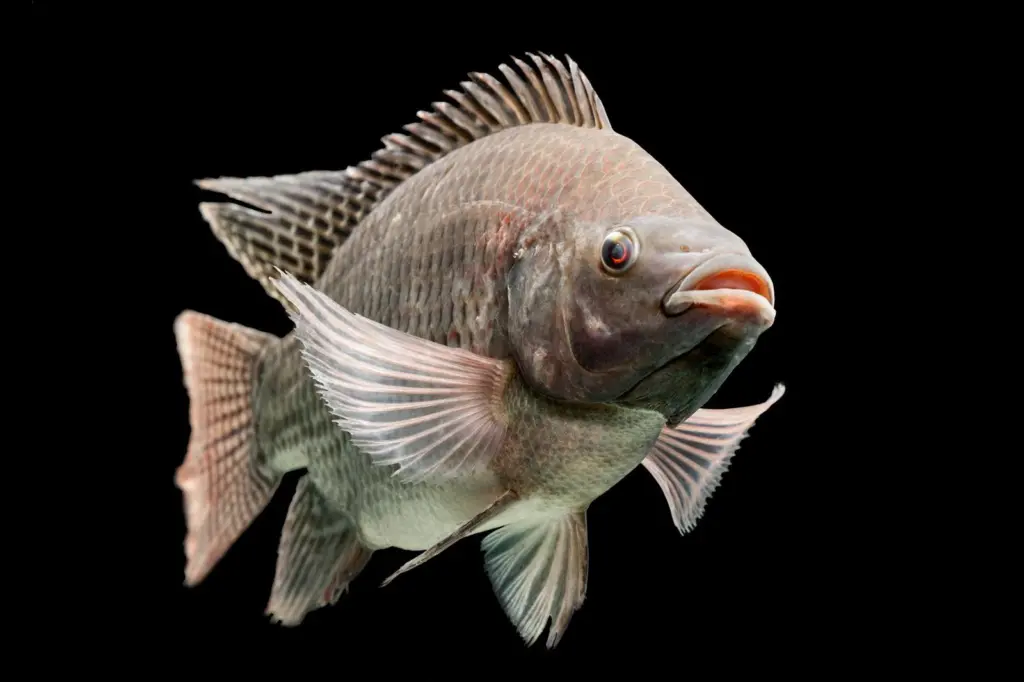
Speaking at the 5th Fish Waste for Profit conference, held in Reykjavik last year, Weigl highlighted that behind carp, tilapia is the second largest biomass that the world has in terms of edible fish, with a production volume in excess of 7 million tonnes. “This volume will grow because tilapia has been identified as a strategic protein by the United Nations,” she said.
With operations in Indonesia, Sumatra, Honduras and Mexico – each producing some 30,000 tonnes a year, Regal Springs is the world’s leading producer. It was also the first tilapia company to secure Aquaculture Stewardship Council (ASC) certification. Furthermore, blood aside, it already utilises 95% of each fish and the goal is to reach 100% usage by 2030.
Explaining the moral obligation, Weigl said the principle of 100% utilisation aligns with the company’s respect for the proteins it produces, as well as its financial obligations.
Seafood value chains should see their by-products as a 100% valuable protein, she told the conference, adding, “The world population is growing, and so there’s also growing demand for all kinds of protein.”
Research and forward planning are key to understanding and unlocking the potential of side-stream products, Weigl advised.
“Know the properties of your fish, understand achievable prices by category of product. And don’t forget, many by-products – even the fishmeal and fish oil that’s produced from them – are global commodities. We are competing globally with vegetable oils where one or two poor seasons of anchovy fishing in Peru, and you can celebrate because the price of your fish oil is going up. But you might invest the next year, when the season is good, and your prices fall. So be aware when doing your business cases. Also understand what you’re competing with before you maybe make the wrong decisions.”
At the same time, companies need to understand what volumes they have on their hands and to decide from there what technology to use and what logistics to onboard in order to cater to the business and where it operates. Added to this picture, ventures shouldn’t forget about unique selling points, including certifications and traceability systems. These can give market advantage and make a real difference when it comes to adding value to a product, she said.
Market understanding
With regards to achievable processes, while money could, for example, be earned from supplying fish skins to the fashion industry and it would be a very attractive proposition, the volumes currently required for these purposes are relatively small and are unlikely to swallow all of the resource available, Weigl said.
With tilapia, 3% is skin, so 100,000 tonnes of harvested fish would provide 3,000 tonnes of skins. Not all of this could go into the fashion industry, she said.
“It could be a nice ‘add-on’ but there must be a base business for your skin as well. The good news is there’s a run on fish skins globally, and not only for collagen and gelatine; the pet food market is also increasingly using skins, while more is going into human consumption.”
At present, Regal Springs is particularly focused on supplying its by-products as foods. Among its successes is a tilapia skin-based salad that it has developed with a Chinese company, with demand currently outstripping supply.
“By-products are (roughly) 61% of your fish, depending on your species. The revenue from by-products can be significant if you do it right, but it can also be volatile. [My advice] is get clarity about the specific fish you’ve got on your hands, and try to identify the best level of utilisation. Last but not least, whatever you do, even if you just give it into reduction processes, it’s all better than waste and landfill. So, whatever you do, use them,” Weigl said.
Related Articles
 AQUACULTURE
 SEAFOOD
 AQUACULTURE