



High-value collagen from fish by-products
Aquaculture and fisheries are two sectors of the seafood industry that make critical contributions to range of areas – from nutrition and local economies to the cultural life of coastal communities around the world. Fish products are among the most traded foods and their exports are essential for food security.
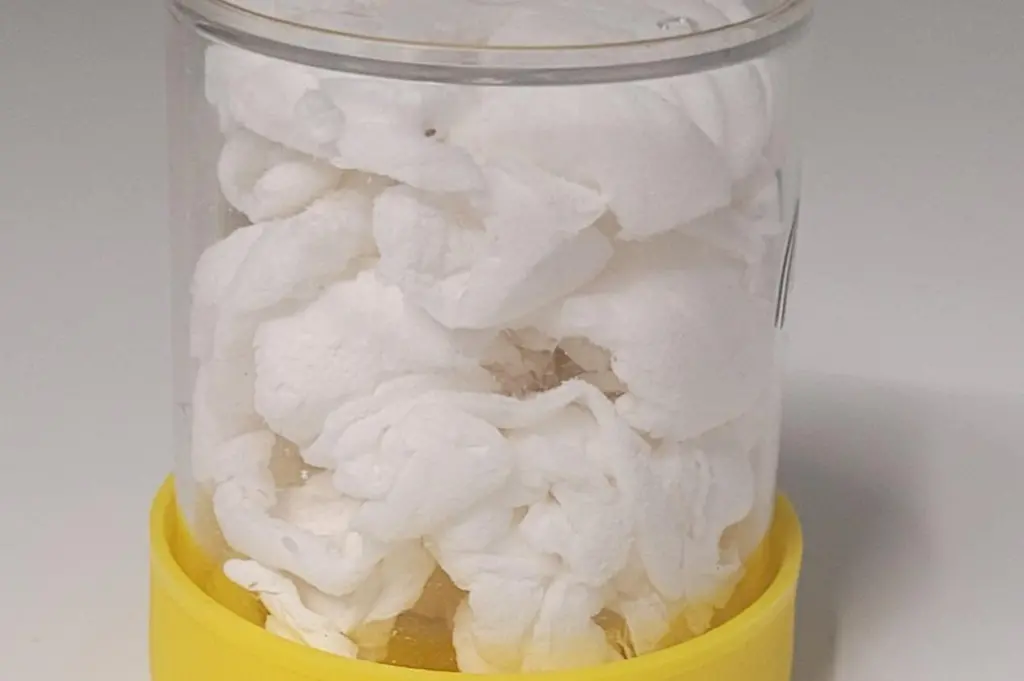
However, one of the fundamental concerns with both sectors is the amount of by-products, such as fish heads, tails, guts, skin and cells, that are generated. Much of this goes to rendering, is incorporated in low-value products like fertiliser, sent to landfills or is tossed back into the sea. But as the cost of waste disposal and the potential value of by-products both increase in line with broader consumer attention towards total product utilisation and waste minimisation, more research is being focused on the opportunities presented by seafood by-products.
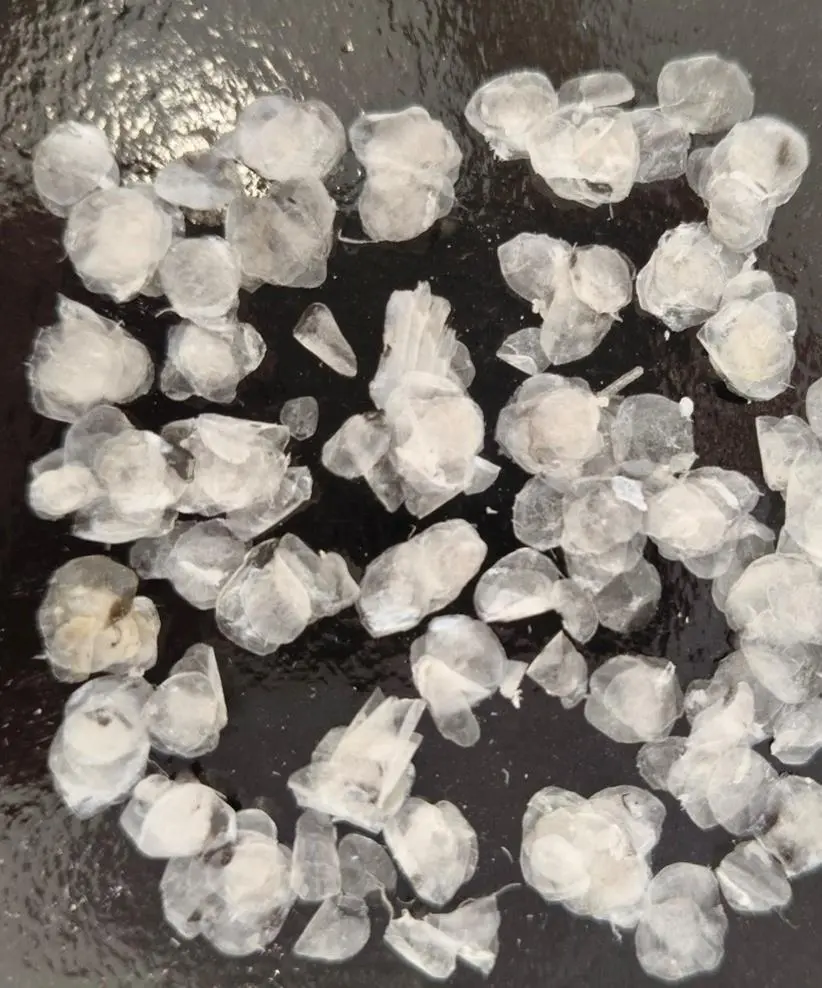
Dr Nisa Salim of Swinburne University of Technology in Melbourne, Australia, says fish by-products could be useful for the extraction of valuable proteins, in particular collagen. She says using fish by-products to obtain collagen not only reduces waste from the seafood industry, but also potentially eliminates the need for other animal-based collagen sources.
Together with her colleagues, Salim is developing a method to produce high-value collagen protein from fish by-products and help the seafood industry reduce its waste in an innovative way.
“We currently rely on animals such as cows, sheep or pigs to obtain collagen,” Salim told WF. “And yet we have sectors like aquaculture and fisheries that are known to generate huge amounts of low-value waste, such as fish scales or heads or bones, so why not add value to this waste by sourcing collagen from it? This puts the waste to good use, prevents it from going to landfill, and the result is a material that has significant value in sectors such as nutraceuticals or biomedicals. It’s a win-win situation. I wanted to find a sustainable way of sourcing collagen, and to be able to offer an ethical alternative to animal sources while providing value.”
Salim and her team are working with Sustainability Victoria, a state government office in Melbourne, and other partners to build a circular design strategy to use fish by-products and provide an innovative and sustainable route to manufacture collagen proteins. By producing collagen from fish by-products and adding that to products such as cosmetics, food and pharmaceuticals, the idea is to address the growing demand for collagen-based products and the lack of availability of primary material.
Repurposing fish by-products is an opportunity to address these needs while minimising the amount of waste that is generated each year, said Salim.

Circular solution
The strategy is a cost-effective, environmentally-friendly solution that provides a high yield in line with the principles of the circular economy. It also demonstrates that repurposing fish by-products offers a twofold benefit: waste reduction and creating a profitable resource for various sectors.
Work is underway to scale up collagen extraction methods and to consider the efficiency and effectiveness of alternative approaches to raw material extraction, as well as subsequent fractionation and purification.
Other areas to address include any changes (increases) in energy consumption and associated emissions, as well as additional chemical inputs, with a focus on those with lower environmental impact in production, use and disposal.
“Using by-products, following the principles of the circular economy and reducing waste are all global issues,” said Salim. “The model that we are developing can be used in any country to highlight how waste can be used to make strong social impacts. In countries like India, fish by-products can be detrimental, polluting key water sources such as rivers, or even the soil, so many stakeholders are interested in exploring our technology. We can say with confidence that we have a method that does not compromise the quality of the collagen that is extracted. We are now looking for interested parties who can take our technology out of Australia too, and use it to make social and environmental impacts in their own countries.”
Promising products
For many decades, collagen has been a significant material for a host of applications in industries such as pharmaceuticals, cosmetics and food. Growth in collagen-based materials is also being fuelled, in part, by a heightened interest in personal healthcare. Collagen has been proven to be an alternative solution to reduce the effects of skin condition changes brought on by aging, and can be used as a potential active ingredient in skincare products such as creams and serums. It can enhance and maintain the physical, chemical and sensory qualities of food such as meat products, drinks and soups, and also plays a crucial role in tissue and organ development, maintenance and healing.
Collagen from fish, meanwhile, is similar to mammalian collagen but with some advantages, such as a low risk of disease transmission, a strong capacity to retain water, low viscosity, non-toxicity, simple extraction methods and good access to by-products through aquaculture and fisheries.
Having identified potential markets and customers for their work, Salim and her team are hopeful that the future of collagen derived from fish by-products is promising.
“It’s an important biomaterial due to its high levels of cell adhesion, biodegradability and much more,” said Salim. “I believe that the seafood industry will continue evolving to a circular economy – one that is restorative or regenerative by intention and design. More industries are likely to pay attention to their manufacturing or production models and take the opportunity to move to a resource-efficient and profitable modern global economy.
“As they increasingly prioritise sustainability, making the most of low-value waste like fish by-products could serve as a strong example of reducing environmental impact and maximising resource efficiency. We need to think about the legacy that we will leave behind for the next generation and shifting to a circular economy. Our work is one example of this, a win-win solution.”
Related Articles
 PROCESSING & REFRIGERATION
 SEAFOOD
 SEAFOOD