



Green light for microalgae
Two studies have highlighted the significant role of light in extracting valuable ingredients from microalgae.
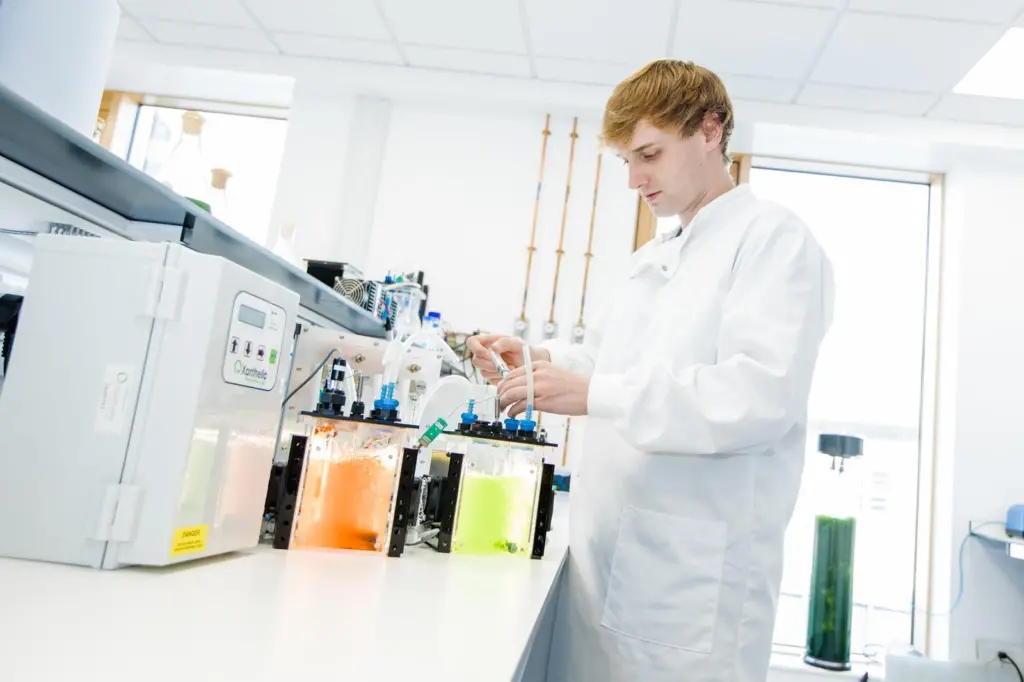
In May 2022, a team of researchers in Scotland found that green light plays a key role in enhancing the production of a compound found in algae, which can be used as a valuable ingredient for promoting health and wellbeing in humans.
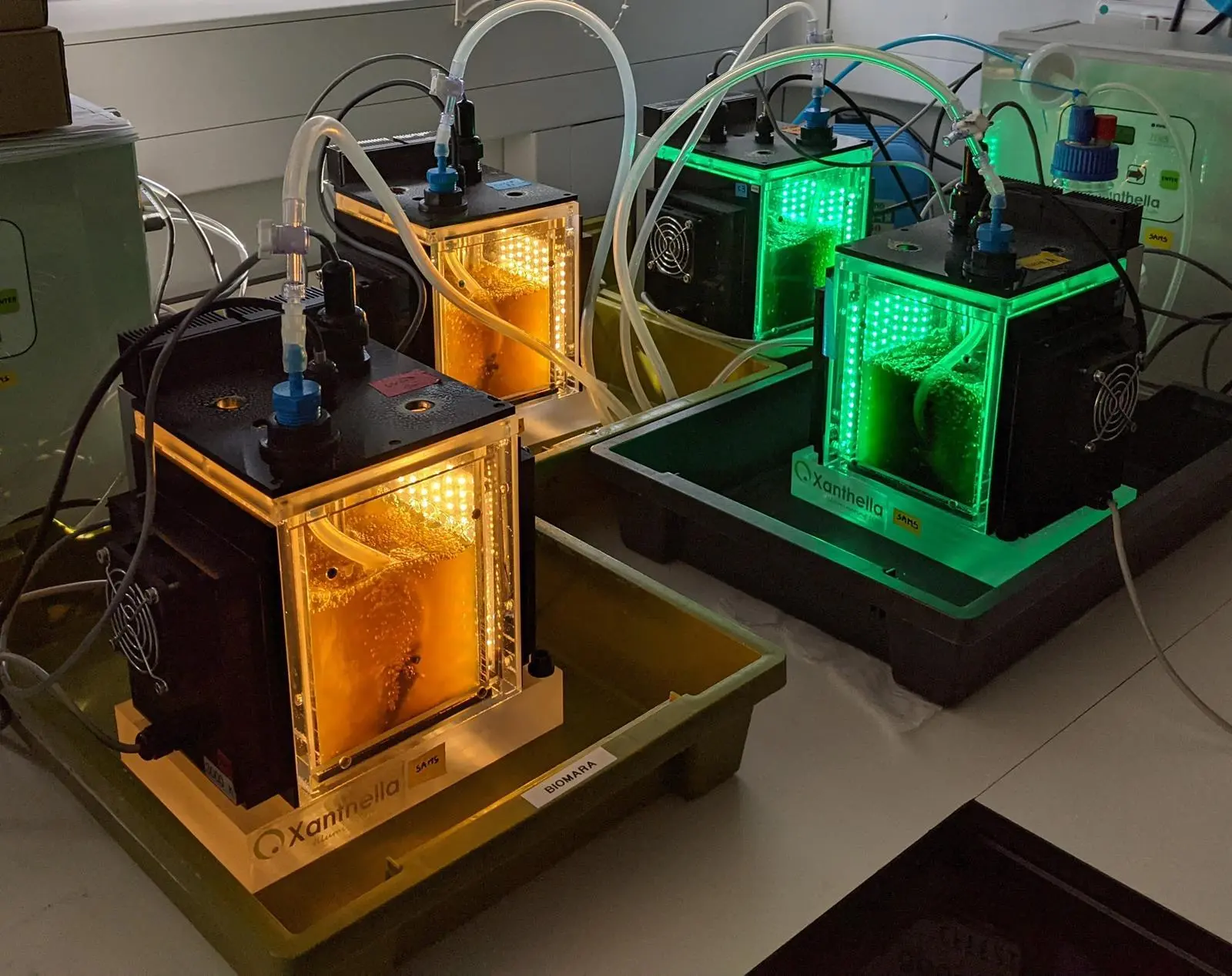
With support from the Industrial Biotechnology Innovation Centre (IBioIC), researchers at the Scottish Association for Marine Science (SAMS) and Xanthella, a company in Oban that specialises in photobioreactors, found that green LED lights enhance the production of fucoxanthin, a pigment that can be used for anti-inflammatory, anti-obesity and anti-oxidant dietary supplements.
Microalgae are currently at the forefront of research for many reasons, including its role in aquafeed and as a sustainable solution for biotechnological applications.
“Xanthella designs and supplies better bioreactors for both research and industrial manufacturing,” explained Dr Douglas McKenzie, chief executive of Xanthella Ltd. “We can utilise light intensities and wavelengths in different ways to better understand the effects of light on biology. We’re at an interesting time because of LEDs, which allow us to do things now that we weren’t able to do even 10 years ago.”
“Fucoxanthin has a lot of beneficial properties and is inherently linked to microalgae growth,” said Michael Ross at SAMS. “Our goal was to enhance its production by giving microalgae a certain wavelength of light in which to grow algae and accumulate fucoxanthin.”
Changing energy
The most important driver of microalgae biomass is light. And so for the study, McKenzie, Ross and their colleagues assembled specific wavelengths into the light panels of photobioreactors and mixed and matched them to determine the impact on supplying the microalgae at different growth stages. But there was an unexpected result – although it’s widely understood that blue and red wavelengths of light are important for photosynthesis in plants, the team was surprised to find that green light on its own boosted microalgae growth significantly.
“When you change wavelengths of light, you also change the energy that you are giving to a system, so energy could be another factor that impacts growth along with the green light itself,” explained McKenzie. “Green light also penetrates further and is slightly more energetic than red light, so the microalgae may be getting the same number of photons but in a more energetic form.
“However, if this was the reason for the effect, we would expect the white lights we used to be better than green so the result was unexpected. We hope to better understand this mechanism in future so that we can amplify it further.”
Scottish industry
McKenzie, Ross and their colleagues believe that producing fucoxanthin using green light and photobioreactors, rather than harvesting it from wild seaweed, could result in new supply chains in Scotland, with opportunities for the algae and aquaculture sectors.
For aquaculture, it would be possible to deliver omega-3s, lipids and microalgae itself for use in feed, resulting in a strong protein source that originates in Scotland.
There are also numerous benefits to manufacturing fucoxanthin using green light and photobioreactors – the process requires less energy to deliver significant growth, offers better quality control, is less impacted by seasonality and problems associated with wild harvesting, and offers a more reliable level of output.
“Fucoxanthin itself wouldn’t be used in aquaculture but after it has been extracted from microalgae, what remains are essential fatty acids like EPAs or DHAs that are essential for the sustainability of fish farming,” said Ross.
“The benefits of manufacturing fucoxanthin using green light are considerable, and our goal is to give specific wavelengths to obtain a faster growth rate or a certain product. We can have full control and get a consistent product, which could reduce operation costs in the long term.”
Greener alternatives
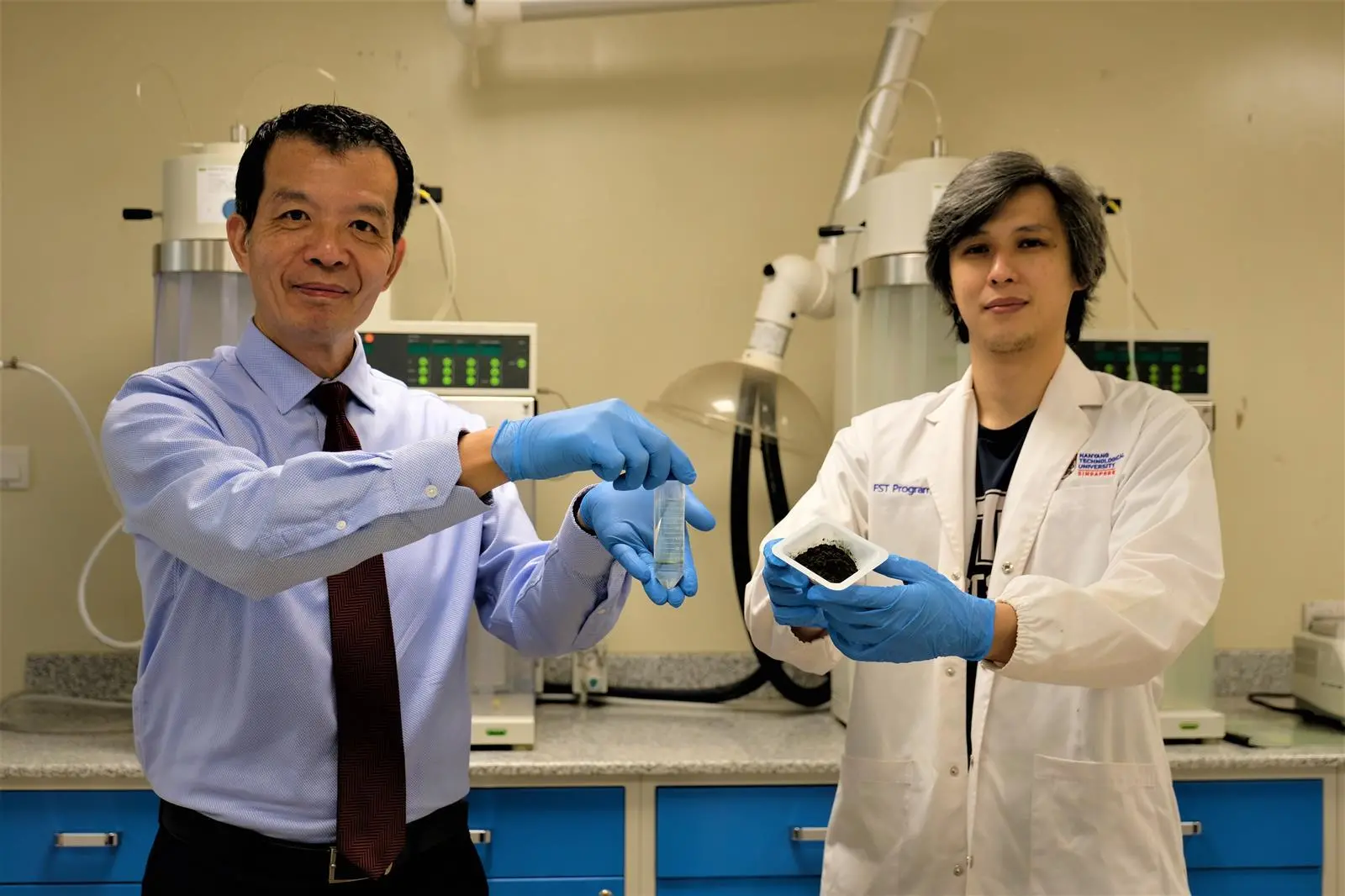
Meanwhile at Nanyang Technological University, Singapore (NTU Singapore), researchers are using ultraviolet light to produce and extract plant-based oils from the microalgae Chromochloris zofingiensis. Compared to palm oil, these oils contain more polyunsaturated fatty acids, which can help reduce bad cholesterol levels in blood and lower the risk of heart disease and stroke.
To produce the oils, an organic acid called pyruvic acid was added to a solution with the microalgae and exposed to ultraviolet light to stimulate photosynthesis.
After 14 days, the microalgae was washed, dried and treated with methanol prior to the oils being extracted. With the rapid expansion of oil palm plantations blamed for massive deforestation, cultivating plant oils from microalgae could be a healthier, greener alternative to palm trees.
“We have been developing protein-rich microalgae as future foods with our industry partners,” said Professor William Chen of NTU Singapore. “Plant-based proteins and oils are drawing attention as important meat alternatives, while fats and lipids enhance taste. As there are natural microalgae rich in all of these, we are currently developing a microalgae-based sustainable supply of lipids, fats and oils for plant-based food products.”
Chen and his team also found that ultraviolet light played a significant role in increasing the lipid yield in microalgae.
Ultraviolet irradiation is known to affect lipid composition in microalgae more as a survival strategy under stressful conditions, said Chen. For example, lipid-derived pigments such as carotenoids can increase under UV irradiation to protect chloroplasts, the engine of microalgae growth.
Wider potential
Like the research team in Scotland, Chen and his colleagues believe that there is potential to work with aquaculture and other industries, for example by tailor-making fish feed using microalgae-based ingredients.
In addition to the food industry and plant-based products, the group is also exploring pharmaceutical and cosmetic uses of the oils in products such as topical creams and lipsticks.
Microalgae have long been looked to as a potential protein source and for use in other products, but several species have proved challenging to cultivate. Hopes are high that the work in Scotland and Singapore is making the species more accessible, and that light could shed further information on the growth and productivity of microalgae, as well as a more efficient extraction of valuable ingredients.
“Light is critical to our work in that it provides lots of opportunities to do things that we haven’t done before,” said McKenzie. “We can use this recent study with fucoxanthin as a case example of how photobioreactors can be used to produce perfect control environments. Our next step is to work out how to do this more cheaply and at scale.”
“There are many research avenues to look at when it comes to fucoxanthin, for example seasonal variations, time to harvest, variations within the algae themselves and when fucoxanthin peaks,” said Ross. “It will also be interesting to see what other products green light stimulates and whether there are potential markets for those.”