



Corbion has been awarded a new patent covering its liquid suspension of algal biomass with a DHA-rich omega-3 profile, marking another step forward in the development of sustainable feed ingredients for aquaculture and animal nutrition.
The patented innovation centres on a suspension of lysed algal cells in oil, a formulation designed to improve stability and performance in feed applications. The company says this builds on its established algal fermentation platform and strengthens its long-term differentiation in the rapidly evolving omega-3 market.
“This progress reflects our continued focus on developing meaningful innovations that bring concrete customer value” said Tim Rutten, head of Nutrition and Pharma Ingredients.
“With broad protection in place that is still expanding, AlgaPrime DHA LS is well positioned to support our customers across aquaculture, animal nutrition, and pet food.”
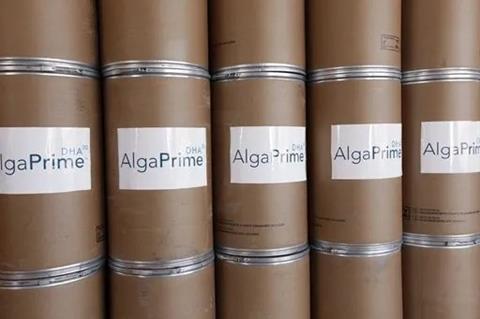
Corbion’s commercial product, AlgaPrime DHA LS, translates this technology into a scalable solution already widely used across aquaculture, livestock feed and pet food sectors.
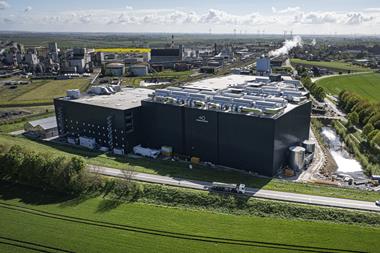
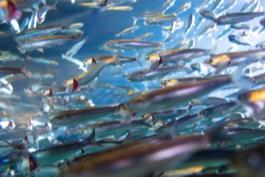
Produced via industrial fermentation, the ingredient offers a consistent DHA profile while reducing reliance on finite marine resources such as fish oil.
The patent has now been granted in the US, adding to Corbion’s existing protection across Europe, China, Australia and parts of Latin America, with further territories under review.
Corbion’s latest move comes amid growing industry momentum toward alternative omega-3 sources. Major aquafeed producers such as Skretting and BioMar have been actively incorporating novel ingredients into their formulations as they work to balance fish health, performance and sustainability targets.
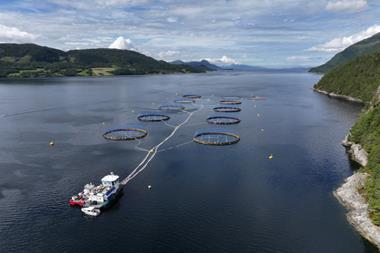
Both companies have committed to reducing dependence on wild-caught fish inputs while maintaining the nutritional quality required for farmed species like Atlantic salmon.
Meanwhile, Veramaris has scaled production of algae-based EPA and DHA oils, supplying aquaculture customers with a direct alternative to traditional marine oils. Its fermentation-based platform, similar in principle to Corbion’s, reflects a broader industry shift toward controlled, traceable production systems.