




Brazil changes tack
Steady growth has been seen in Brazil’s fisheries and aquaculture sectors in recent times. This is directly reflected in the country’s increasing domestic seafood output and exports, and perhaps most important of all, this has been achieved at a time when the level of state support is minimal and taxation pressures remain high.
Nevertheless, the change of power, with the re-election of Lula da Silva as country president, is giving Brazil’s fish farmers and especially its fishers fresh hope there will be a significant change of the current policy, including much more active state support.
Traditionally, one of the major features of Brazil’s fisheries sector has been its modest level of consolidation, with the industry comprising hundreds of small operations. These collectively account for almost 90% of the fish and seafood produced in the country.
Since the end of the Covid-19 pandemic, the situation in the industry has remained relatively stable. But a number of problems continue to prevent its more active development, according to local observers.
“Fisheries production remains stable. Brazilian fisheries by their essence are artisanal. There are a great number of management and control rules concerned with sustainability. The assessment of each seafood species is performed individually, for that exists specific study groups called Permanent Management Committees,” Eduardo Lobo Naslavsky, Chairman of the Brazilian Fisheries Association (ABIPESCA), told WF.
Strong headwinds
According to Naslavsky, while the current energy crisis hasn’t had a direct impact on Brazil’s seafood production, it has had a negative impact on foreign sales, with financial issues slightly reducing demand last year.
“Those countries – the main sales markets for Brazil’s fish and seafood – are facing crises at present. There is inflation, there’s increasing interest rates, and all this increases the population’s cost of acquiring and consuming relatively expensive Brazilian fish and seafood. We believe that if this energy crisis comes to an end in the medium-term, it will not reflect on Brazilian fish and aquaculture production. However, if it lasts for more than a year, we will have to reduce our production volume to adapt to world demand.”
In general, the situation for Brazilian aquaculture is better than for its fisheries segment.
Francisco Medeiros, executive director of the Brazilian aquaculture association Associação Brasileira de Piscicultura told WF that in the fish farming sector, producers’ revenues grew steadily in the second-half of 2022 and it’s possible the same trend will continue to be observed at the beginning of this year.
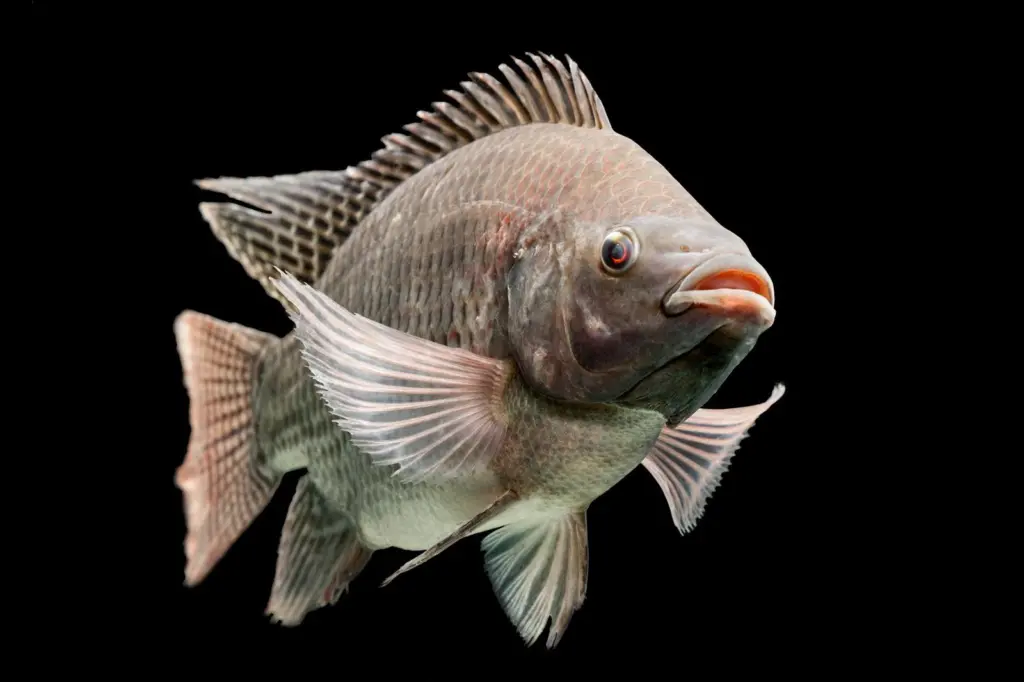
“In the year 2022, in the fish farming sector, especially the tilapia production, we had a first-half of low remuneration for the producers, but the second-half brought price recoveries, and companies continued with their investments believing that the market absorbs this growth.”
He added, “In 2022, we did have growth compared to 2021. However, the exact figures will be known later.”
Medeiros confirmed that the current energy crisis hasn’t had a negative effect on Brazil’s aquaculture sector, since the country is a large generator of energy. This is mainly clean energy produced by hydroelectric, solar and wind installations, which all saw their production capacities increased last year.
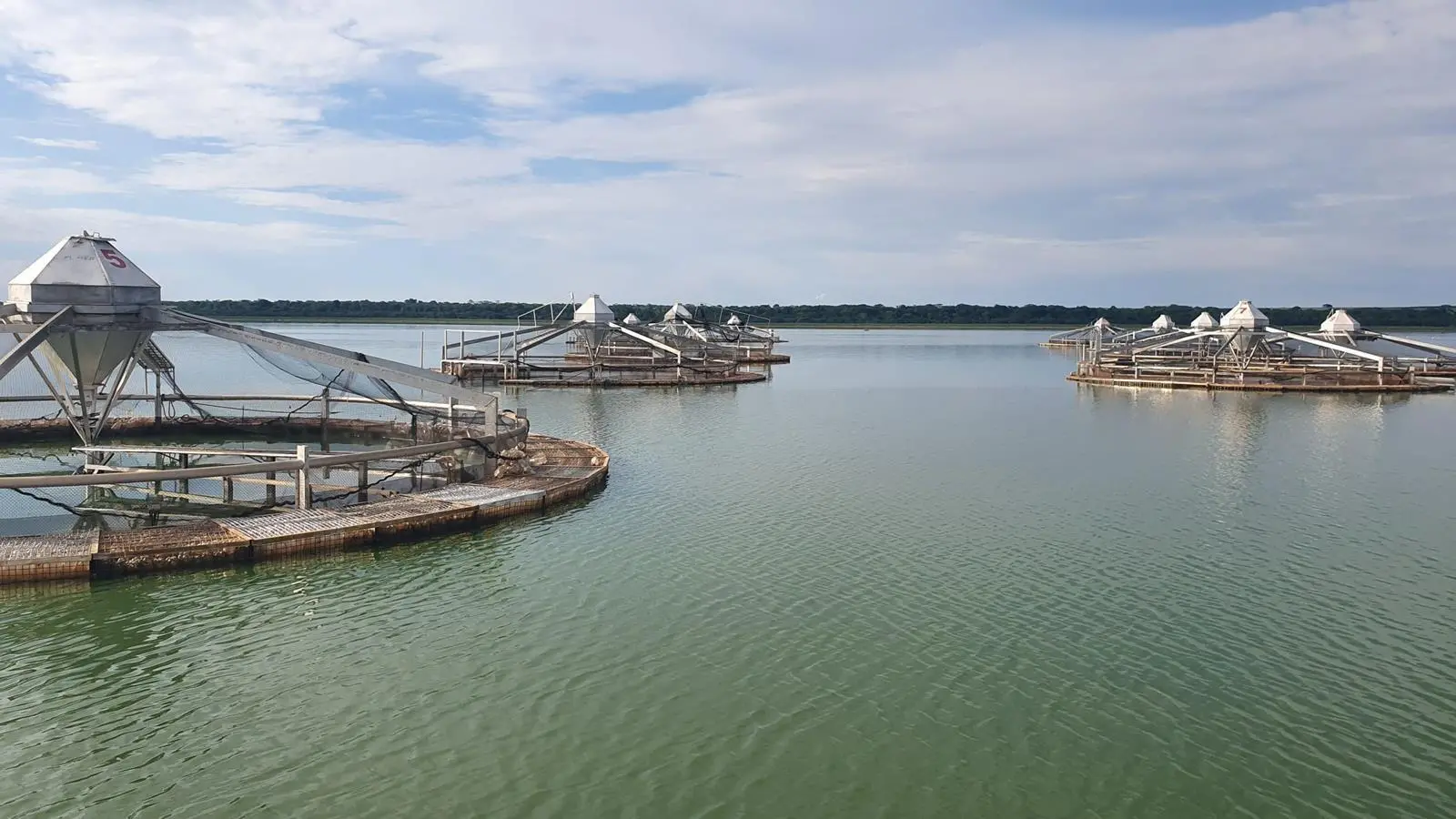
In the case of hydro-energy, Brazil has significantly increased its application for the aquaculture sector in recent years.
“The simple fact is the growth of our fish in water from hydroelectric dams, which is not associated with any environmental impact. Those waters that generate energy in Brazilian hydroelectric dams have already had their environmental impact mitigated. In other words, we are using water that was only used to produce clean energy to produce food now and to grow our fish,” Naslavsky added.
Support hopes
Representatives of both ABIPESCA and other industry associations believe Brazil’s new government will pay more attention to the needs of domestic fishers and fish farmers than has previously been shown. Among the most important issues, they say, should be the easing of access to soft loans and the provision of other financial incentives for small-scale producers.
Also, as part of the producers’ plans, the state is being called upon to develop a new plan for the development of these sectors.
Medeiros said, “Fish farming is the animal protein sector with the highest growth rate in Brazil, when compared to cattle, pork and poultry and we believe in these growth rates during this decade. In Brazil, the main problem is the tax burden, but we are working to reduce it and we believe that in the next government we will be able to carry out the tax reform project.”
Most stakeholders that spoke to WF don’t expect to see sharp growth in Brazil’s fisheries sector in the coming years, but they do feel that aquaculture could continue to uphold its impressive growth rates at least in the medium-term.
According to the latest foreign trade data, farmed fish exports in the first-half of 2022 doubled in value and increased 14% in volume compared with the period January-July 2021. In effect, sales reached US$14.3 million – up from $7.2 million, with the volume increasing from 4,327 tonnes to 4,931 tonnes.
For the entire year, it’s estimated that Brazil will see a 25% increase in aquaculture production when compared to 2021.
Traditionally, tilapia remains the main species exported by the Brazilian fish farming industry, accounting for 98% of Brazil’s sales and 99% of its volume, with most going to the US and Canadian markets.
Growing exports
According to Brazilian business paper Correio Do Estado, Brazil produced 841,005 tonnes of farmed fish, which generated revenue of BRL 8 billion (about US$1.5 billion) last year. In the past six years, the market has grown by 45%.
ABIPESCA reports that fisheries and aquaculture combined, Brazil now annually produces 1.6 million tonnes of seafood. This is valued at around BRL 20 billion.
Regionally, Paraná is the national leader in fish production, with about 172,000 tonnes annually, followed by São Paulo.
In the case of exports, the annual value of fish and seafood exports from Brazil are estimated at more than $400 million with annual growth rates of about 10% achieved in the past several years.
On average, the current annual consumption of fish in Brazil is about 10kg per capita, which is below the recommended amount of 12kg and well short of the 20.2kg global average. One of the reasons for this is the status of Brazil as one of the world’s largest meat producers and exporters, particularly beef, which competes with fish.
Analysts believe the reduction of tax burden on the industry (which is currently higher than those on meat sector) will contribute to a further growth of the industry, particularly with regards to the expansion of the existing offerings.
One example is tambaqui, an Amazon fish with a mild but very particular taste. Some industry experts believe this fish has a production growth potential that’s similar to tilapia, which could in turn lead to it becoming a Brazilian commodity. However, for that to happen, it’s thought that Brazil probably needs to view fish farming in the same way that Chile did when it decided to make its salmon a worldwide success.