

Anxious times
Europe’s mounting energy crisis has put the region’s fish farmers at risk.
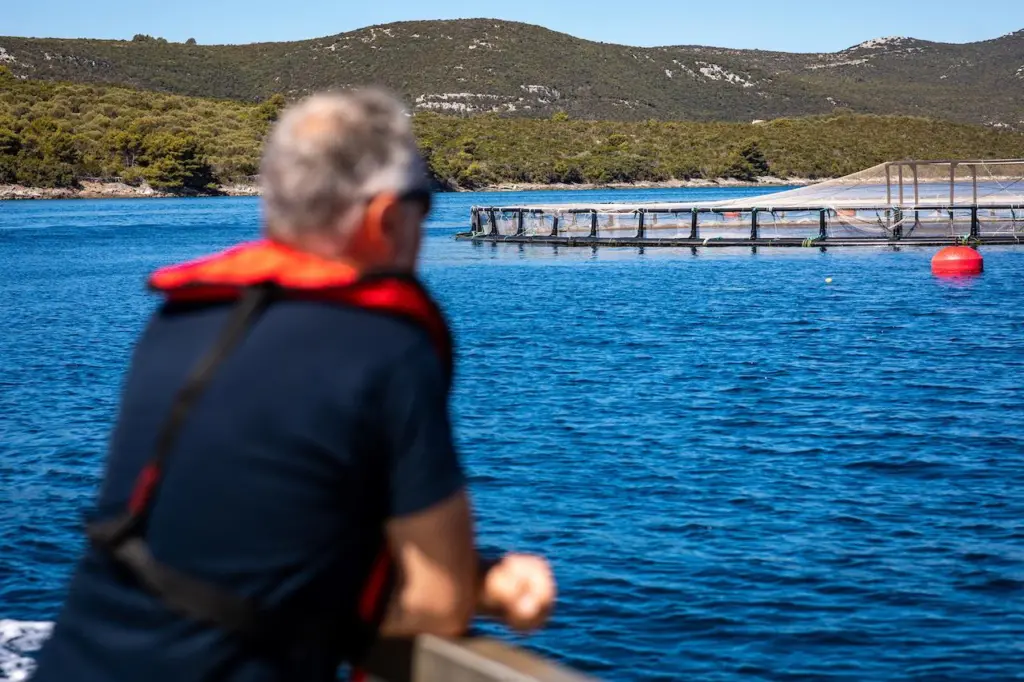
Soaring energy costs are expected to greatly diminish the profitability of fish farming businesses across the European Union, with land-based farms and production systems in those countries especially reliant on Russian fuels probably the most exposed, especially if the coming winter proves to be a cold one.
At the time of writing, European gas prices are about 10 times higher than the past decade’s average level, with the situation underpinned by strong fears that Russia could further restrict or even stop gas supplies in retaliation for the military assistance being provided to Ukraine. Already, and since the start of the war, the Russian state gas monopoly Gazprom has stopped natural gas exports to Bulgaria, Finland, Poland, Denmark and the Netherlands.
In previous years, Russia used to account for 40% of European natural gas imports. As Russian pipe exports appear to be gradually grinding to a halt, concerns are also being expressed that the crisis could not only bring high prices but also leave the countries with the heaviest reliance on the Russian commodities in short supply.
The dependence on Russian gas varies greatly across Europe. In 2021, according to Eurostat estimates, Bosnia and Herzegovina, Moldova and North Macedonia received 100% of their natural gas supplies from Russia. In fact, almost all countries in Eastern Europe traditionally rely on Russian imports: In 2021, Latvia sourced 92% of its natural gas supplies in Russia, Serbia 89%, Bulgaria 79%, Slovakia 68%, Hungary 61%, Slovenia 60% and Poland 50%.
The difference is not as drastic for Western Europe but fears over natural gas availability are nevertheless being voiced. In this region, Eurostat reports that Germany has the highest dependence on Russian natural gas imports at around 50%, followed by Italy with 38%, France 15% and Belgium 14%.
Squeezed on multiple levels
“Soaring input costs bore by European fish farmers, caused by the aftermath of the Covid-19 crisis and now greatly spurred on by the Russian invasion of Ukraine, are taking a severe toll on their businesses,” Javier Ojeda, General Secretary of the Federation of European Aquaculture Producers (FEAP) told WF. “Fish farming production systems vary from extensive artisanal production to high-tech energy-intensive undertakings, but for all of them, the situation is extremely tight.”
Ojeda explained that the cost of energy is not the single issue affecting European fish farmers as the cost increases in fish feeds, liquid oxygen, freight, labour costs and other materials.
“Providing figures on this is useless because of the volatility of the situation, but all production and sales costs are interlinked, either directly or through inflation on general prices,” he said.
The energy crisis is so severe that market players may opt for downsizing production performance. This primarily concerns farms with the largest energy consumption for which, at current prices for energy, feed and other costs, operations turn to be loss-making, said Ziemowit Pirtań, board member of the Polish Trout Breeders Association.
Pirtań added that fish farms which have bank loans face the greatest risk of bankruptcy, while the current crisis could wipe out years of development, particularly as the skyrocketing costs have not been accompanied by a corresponding growth in prices.
“Energy prices lead to high increases in other cost components – primarily oxygen, the production of which is mostly related to energy consumption. This is the most noticeable impact of energy price increases on the deterioration of our situation,” Pirtań said.
“They [energy prices] also affect the prices of almost all other cost components, in most cases to a greater extent than the official inflation rate. The problem with this is the stagnation of trout prices, which is related to both the international situation in the trout market and the structure of the domestic market, where fish, including trout, is not a first-choice [food] and has the image of a luxury good.”
Increased energy requirements
Pirtań highlighted that for years an increase in energy consumption has accompanied the development of the Polish trout industry. This is due to a rise in production and because most new facilities and investments were based on RAS technologies, which are much more energy-intensive than traditional technologies.
In addition, traditional facilities have to increasingly improve fish habitat conditions, including oxygenation, aeration, and partial pumping, due to deteriorating water conditions owing to such factors as drought and high temperature.
Amid the current conditions, fish farmers will most likely turn to cost-cutting solutions to mitigate the rising costs and keep their businesses afloat.
“The situation is very delicate. So the strategies being adopted by fish farmers are dependent on their specific conditions. And these can include the use of energy as efficiently as possible and streamlining their production process while giving up prospects of profits and hoping that their cash flow will allow them to reach the end of the crisis,” Ojeda said.
Energy consumption varies across the fish farming sector, so not all farms are in the same situation, according to the Aquaculture Stewardship Council (ASC).
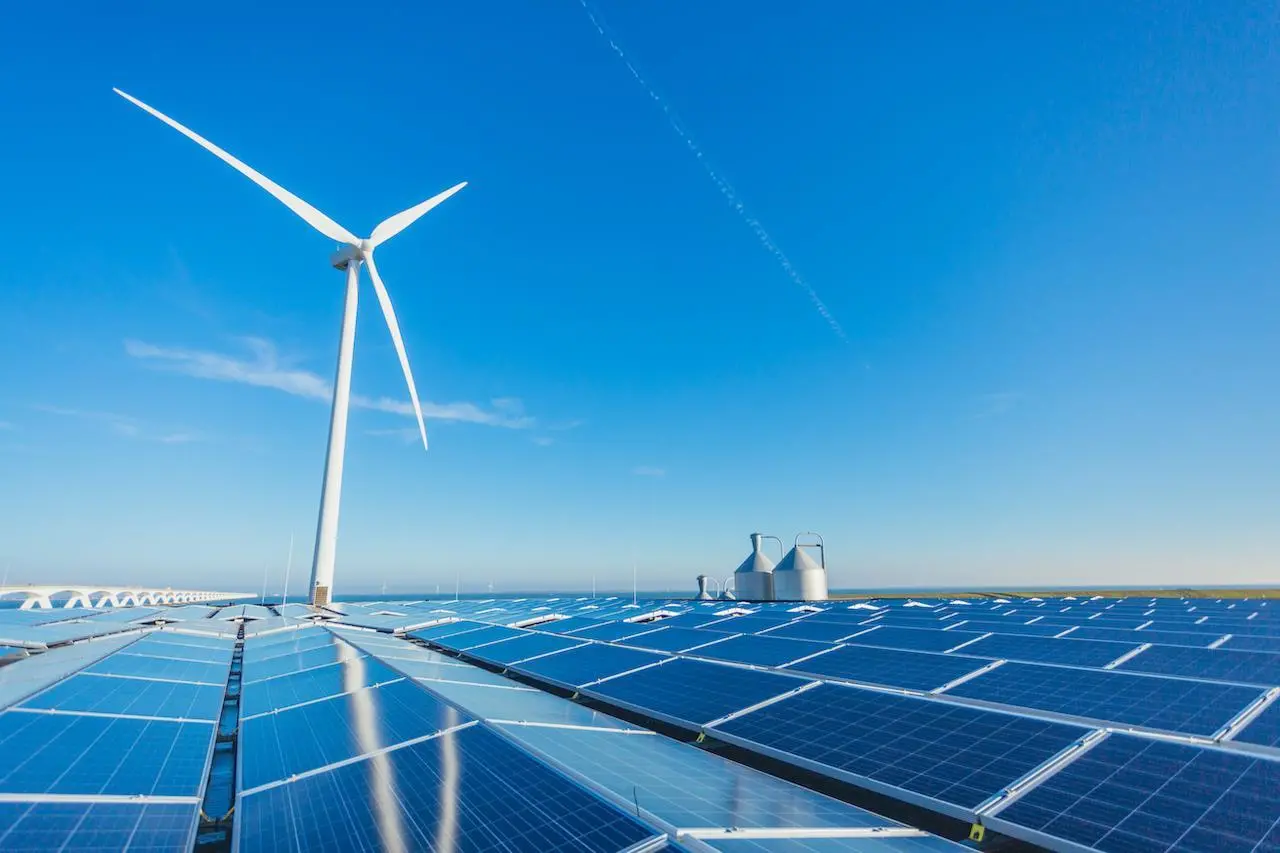
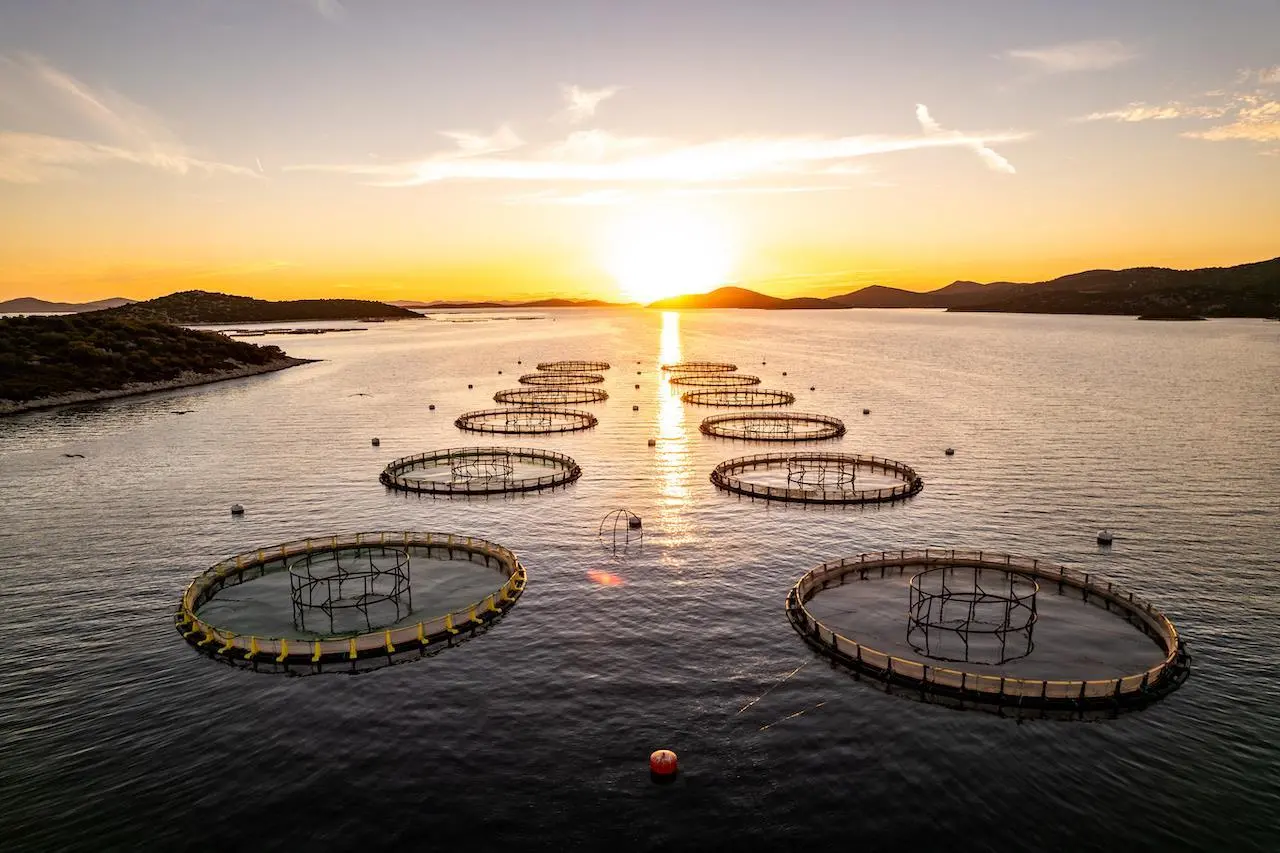
ASC spokesperson Sophia Balod pointed out to WF that, for example, marine net pens for salmon require very little energy input. The median across included studies was 20 litres to produce one tonne of live-weight salmon. They also have negligible inputs of other energy carriers – as energy is largely required in these farms to run vessels to service farm sites; even with relatively low energy requirements, many farms have or are looking at installing solar panels or other on-site energy generators.
“Land-based production is much more energy-intensive – by several orders of magnitude. Recirculating systems typically get most of their energy in the form of electricity, with values for salmon, trout, and other finfish ranging from less than 1,000 kWh per tonne to over 20,000 kWh per tonne. This is high enough energy that it overtakes feed as the major source of greenhouse gas emissions for these systems if they’re not drawing from renewable electricity grids,” Balod said.
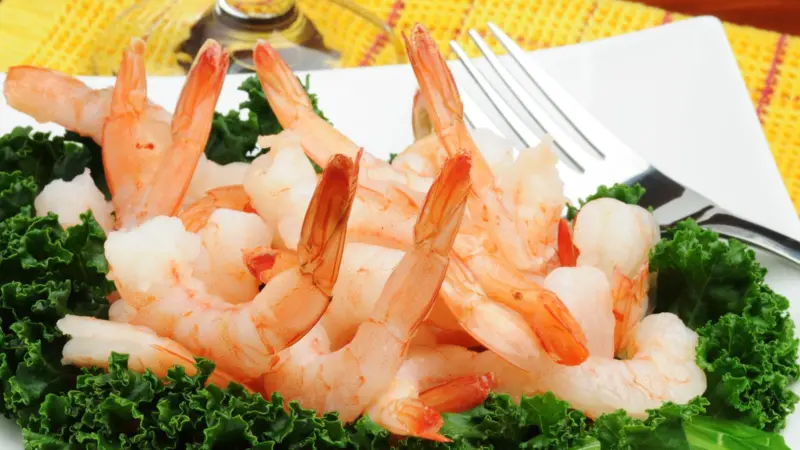
Other aquaculture systems that require large amounts of energy, again in the form of electricity rather than fuel, are intensive and semi-intensive pond systems for shrimp and carp. These systems aren’t common in Europe, but they are in Asia and shrimp is a major import to European markets, she said.
“In this light, monitoring energy consumption is an important first step to understanding possible areas of reduction. Almost all of ASC’s species standards include requirements for farms to calculate and track their energy consumption.
“The bivalve standard goes a bit further and requires upkeep of equipment to manage energy efficiency. This collection of data and, in some cases, reporting of energy use data to ASC is a valuable resource for better understanding the relative energy reliance of diverse aquaculture systems, and ASC is currently analysing those data in order to better understand this aspect of sustainability, with plans to publish and help fill gaps in the literature for some species and production methods,” she added.
Calls for additional support
However, the measures currently taken to improve energy-efficiency might not be enough for fish farms to weather the current storm.
“Fish farmers believe in free enterprise and economic freedom, but when extraordinary events occur, like the consequences of the Covid-19 pandemic and Putin’s aggression in Ukraine, FEAP believes that public authorities should take extraordinary measures to prevent the economic system from collapsing. Furthermore, fish farming is a primary sector with limited capacity to survive shocks like these. Within the EU, subsidising schemes should be adopted uniformly throughout all member states,” Ojeda said.
Pirtań agrees that public assistance could come in very handy, adding that the problem is the time needed to implement any mechanisms and to estimate the amount of the aid required, primarily since the final cost of, among other things, energy in the near future is not known.
“We are not talking about potential increases of a few or a dozen percent, but additional increases of several hundred percent with the next energy price increase. Such increases could lead to a switch-off effect for most industry players, especially where fish habitats cannot be provided without energy. As an industry, we suggest accessing aid based on a loan that would be redeemable after a certain period based on actual market data. Only in this way are we able to protect ourselves from the de facto unknown situation that awaits us.
“All other forms of aid – especially those paid in advance are doomed to be inadequate – which may lead to the ‘consumption’ of public resources without any aid effect, as too little aid will be absorbed, but still may lead to the collapse of the industry,” Pirtan said.
Threat of collapse
In a decree approved in July 2022, European Parliament agreed to provide financial help to EU fisheries and aquaculture sectors dealing with the economic consequences of the Russian invasion of Ukraine.
European Parliament Press Officer Martina Vass said the compensation would cover additional costs related to the war in Ukraine, such as increased energy and raw materials prices.
“Yet, the support only concerns those countries who still have resources for the 2014-2020 programming period in EMFF. So whatever countries have left in the EMFF for the 2014-2020 programming period can now be used to cover these additional costs, rules were eased to allow for this, but no additional resources have been allocated for this purpose,” Vass said.
She added that the European Parliament currently has no additional aid on the agenda, and there is no information whether the European Commission plans to come up with a proposal to issue additional support to the fish industry.
But Pirtan insists that industry requires a clear strategy for dealing with the energy crisis and that it may fail without assistance.
“The current collapse would not happen due to market reasons – just due to an emergency situation exacerbated by a relatively shallow and unstable market – which we have also been working on for years. Without support, we could lose it all.
“If we don’t save the industry, once the current crisis is over, the European market simply won’t have the capacity to produce fish, and it’s hard to expect to be able to import them since this is already a problem. This could affect the poorer parts of our societies for years to come,” he said.