



Norway commits millions to lift aquaculture communities out of poverty, lower malnutrition
NOK 45 million (US$ 5 million) has been committed to the International Fund for Agricultural Fund (IFAD) by the Norwegian Agency of Development Cooperation (Norad) to increase the incomes and build the resilience of small aquaculture farmers in Kenya, Mozambique and Tanzania.
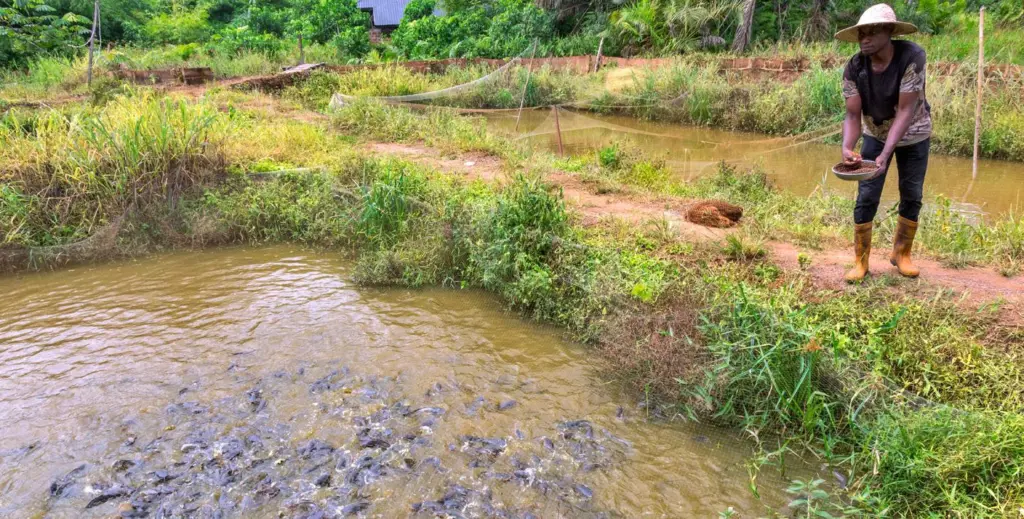
Norad’s contribution will finance the Advancing Resilient and Nutrition-sensitive Smallholder Aquaculture (Arnsa) project implemented by IFAD and its government partners.
With the aim to support approximately 3,000 smallholders and make increased quantity and quality fish products available to at least 100,000 people, the project will pilot and scale-up climate resilient and nutrition-focused aquaculture technologies and approaches.
In particular, it will seek to improve access to quality and affordable farm inputs such as seeds and feed, and to market opportunities especially for women and youth through innovation and value creation. It will also strengthen farmers’ technical skills and extension services and address post-harvest losses.
The project will focus mainly on inland aquaculture, except in Tanzania where attention will be given also to seaweed value chains.
“This generous contribution of Norway underscores its credentials as a global leader in sustainable fisheries management and is further proof of the country’s relentless determination to free the world from hunger and poverty,” IFAD President, Gilbert Houngbo, said. “The sustainable development of the aquaculture sector holds significant potential to address malnutrition and poverty worldwide. Norway’s support will help thousands of small aquaculture farmers build better lives for their families and produce the healthy foods their communities need.”
The support contributes to IFAD’s increasing attention to aquaculture in Sub-Sahara Africa, which includes related investments in Tanzania, Kenya, Mozambique, Angola, Eritrea, Ethiopia, Nigeria and Ghana.
Norway is a founding member of IFAD and has contributed more than US$ 435 million to the fund’s core budget since its creation in 1978. The country has also pledged NOK 508 million (US$ 56.4 million) to IFAD’s 2022-2024 funding cycle, a 40% increase from the previous cycle.
It is also supporting specific programmes directly for a total of US $30.2 million, in particular to help small-scale farmers adapt to climate change, tackle malnutrition, and support farming families and refugees in the Lake Chad basin
Related Articles
 AQUACULTURE
 AQUACULTURE
 AQUACULTURE