



A new peer-reviewed study has found that many of Alaska’s most commercially important seafood species contain low or non-detectable levels of per- and polyfluoroalkyl substances (PFAS), providing fresh scientific evidence of the environmental quality of Alaska’s marine waters.
The research, highlighted by the Alaska Seafood Marketing Institute (ASMI), establishes a baseline for PFAS concentrations in commercially harvested Alaska seafood, offering consumers, seafood buyers and public health officials independently reviewed data on the presence of the so-called ‘forever chemicals’.
“This study provides an important scientific baseline for commercially harvested Alaska seafood,” said John Burrows, technical director for ASMI and a co-author of the study.
“By testing seafood collected across Alaska’s major fishing regions, the research adds peer-reviewed data that can help inform consumers, seafood buyers and public health officials.”
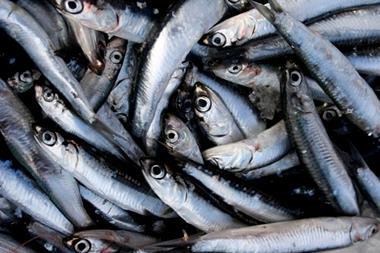
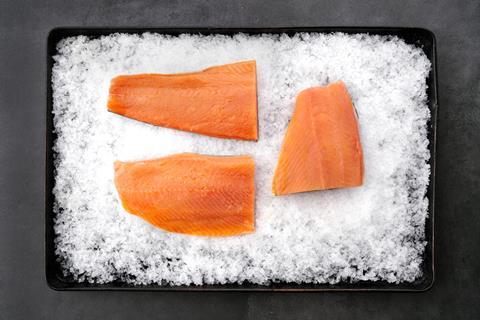
Researchers analysed edible tissue from 11 commercially important fish and shellfish species harvested between 2022 and 2024 across the Bering Sea, Gulf of Alaska and southeast Alaska. The study covered all five species of wild Pacific salmon, alongside halibut, cod, pollock, sablefish, bairdi crab and red king crab.
Testing for 40 different PFAS compounds detected only 10, with most measurements falling below laboratory quantification limits. All five wild Pacific salmon species recorded no PFAS concentrations above quantifiable levels, while coho salmon and red king crab showed no detectable PFAS at all. The highest concentration identified remained below the European Union’s maximum permitted level for fish consumption.
The researchers concluded that PFAS concentrations in the species tested were unlikely to represent a significant source of dietary exposure. They also noted that seafood continues to provide valuable nutritional benefits, including high-quality protein, omega-3 fatty acids, vitamins and essential minerals.
Because samples were collected from commercially harvested seafood before processing, the findings are considered to closely reflect PFAS levels in Alaska’s marine environment.