
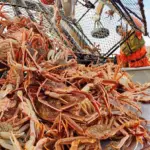

US ghost gear programme launched
The National Oceanic and Atmospheric Administration (NOAA) has awarded US$8 million in funding to a new programme to remove ghost gear from US coastal waters.
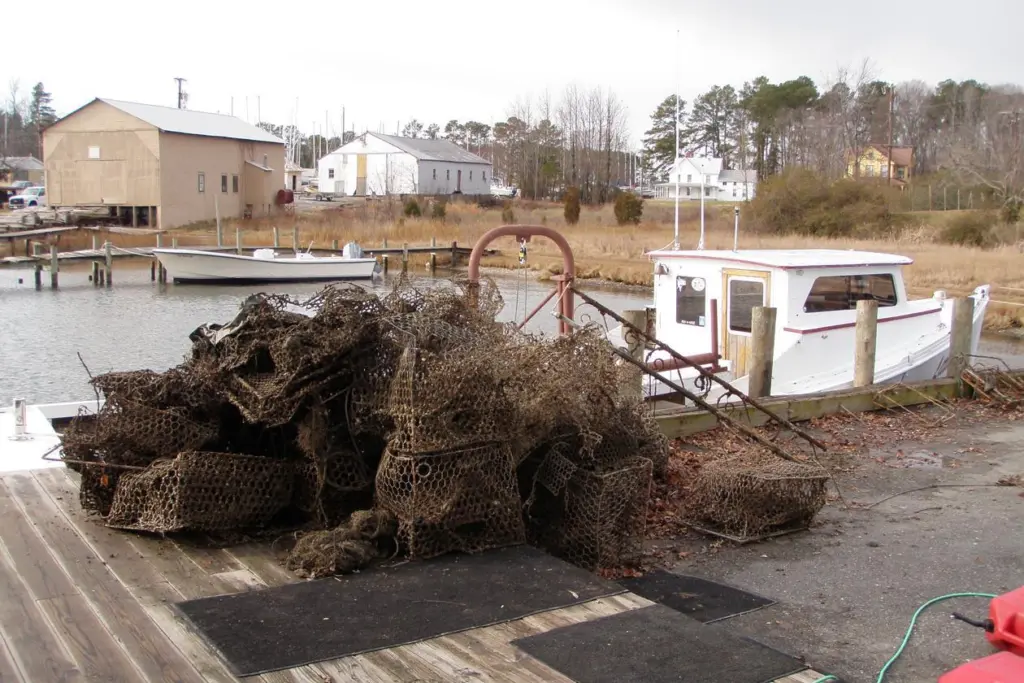
The Nationwide Fishing Trap Removal, Assessment & Protection (TRAP) programme is being run by the William & Mary’s Virginia Institute of Marine Science (VIMS) and will initially focus on removing derelict crab and lobster posts from the waters around Virginia.
Derek Aday, VIMS dean and director said that water was one of the world’s most threatened and valuable resources. “The TRAP programme represents the kind of innovative approach we need to solve global issues related to conserving our marine resources and increasing the resilience of coastal communities,” he said.
Derelict gear reduces catch volumes in the Cheasapeake Bay by 17,200 tonnes, costing around US$33.5 million in lost revenue, according to a 2016 study. By removing just 10% of these pots globally could increase landings by nearly 300,000 tonnes at a yearly value of $831 million, estimates the same study.
“When I was part of the removal programme,” said Clay Justis who works pots on Virginia’s eastern shore, “I pulled up lost posts that contained blue crabs and other animals. Removing lost pots helps clean the bay and presents those pots from continuing to capture and kill marine life.”
Initially focused on crab and lobster pots, the TRAP programme may expand to other species as it develops. A national competition is launching as part of the programme to fund successful applicants who develop effective proposals for removing ghost gear from their own regions or states. Around six to 15 grants will be awarded each year totalling around $1.5 million.
The TRAP programme operates under the auspices of the NOAA Marine Debris Program and the best management practices of its Derelict Fishing Gear Assessment Framework.
Related Articles
 FISHERIES
 FISHERIES
 FISHERIES