


Scotland’s North Sea herring fishery has begun the season on a positive note, with strong catches and widespread sightings of abundant fish reinforcing confidence in the health of the stock.
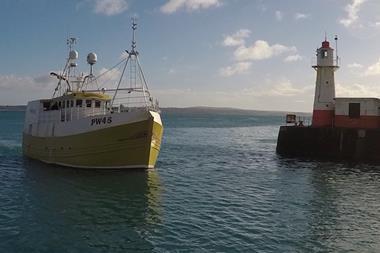
The 79-metre Research LK 62 has completed three successful trips for MSC-certified North Sea herring, landing catches into Peterhead after fishing grounds south-east of Fair Isle and east of Orkney.
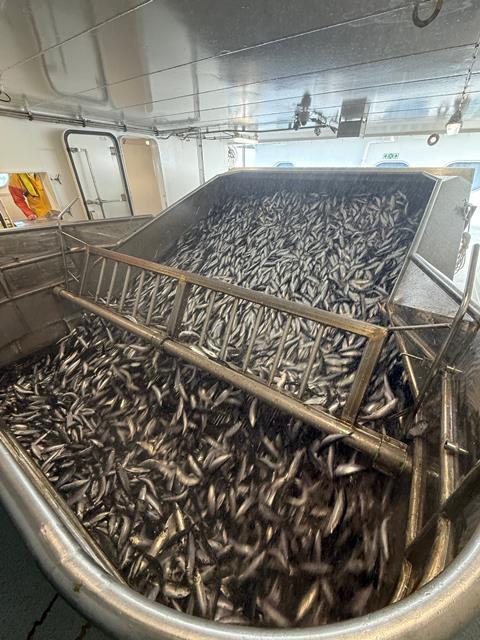
The vessel’s first trip produced 180 tonnes from three tows, with fish averaging 190g, while the second yielded 470 tonnes despite smaller fish averaging 170g. A third voyage delivered a further 450 tonnes, with herring averaging 180g.
Crew members reported seeing particularly encouraging numbers of fish during the second trip, suggesting younger year classes are thriving.
Richard Williamson, mate on the Research, said: “As we headed back to Peterhead, we detected an abundance of herring on our fish finders, which were most probably smaller herring, and which bodes well for the future health of the stock. There seems to be plenty of herring about south-east of Fair Isle.”
The observations at sea mirror the latest scientific outlook. ICES has advised a 21% increase in the North Sea herring quota for 2027, reflecting improved stock assessments and providing further optimism for the industry.
The Research has brought forward its usual fishing schedule, which typically focuses on the late summer roe fishery, to help maintain supplies for Lunar’s processing facility in Peterhead following the sale of the Lunar Bow to Norway. The company’s replacement vessel, Pathway PD 165, is nearing completion.
North Sea herring remains one of the UK’s longest-running MSC-certified fisheries, first achieving certification in 2008. Scottish pelagic vessels also contribute biological data through the Scottish Pelagic Industry-Science Data Collection Programme, providing information used by ICES in annual stock assessments.