


Environmental law organisation ClientEarth has formally called on Spain’s Ministry of Agriculture, Fisheries and Food to take urgent action to tackle the continued incidental capture of dolphins, porpoises and whales in Atlantic fisheries.
In a formal legal submission, the organisation argues Spain is failing to implement the monitoring and conservation measures required under European law to properly assess and reduce marine mammal bycatch in the Cantabrian and North-Western fishing grounds, particularly in waters off Galicia.
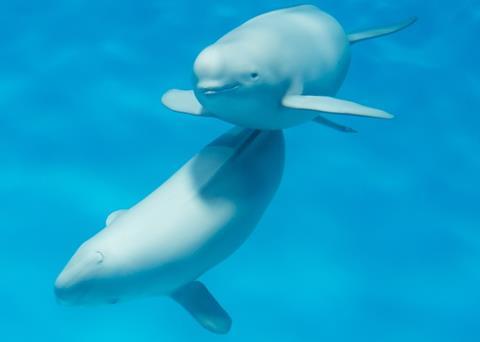
Bycatch, the accidental capture of non-target species in fishing gear, is regarded as one of the greatest threats facing cetaceans in European waters. Scientists have identified it as the leading human-induced pressure affecting species including common dolphins, bottlenose dolphins and harbour porpoises.
The waters off north-west Spain support both intensive fishing activity and a rich diversity of marine mammals, with 28 cetacean species recorded in the region. The common dolphin, the most abundant cetacean in the north-east Atlantic, is also reported to be the species most frequently affected by bycatch.
Available estimates indicate that at least 2,000 cetaceans may be caught annually in Galician waters, despite years of scientific recommendations calling for stronger monitoring and mitigation measures.
“Protecting dolphins, porpoises and other cetaceans is not only an environmental imperative; it is a legal obligation,” said Arthur Meeus, a lawyer at ClientEarth.
“But protection without monitoring is meaningless. Without robust monitoring, authorities cannot accurately assess the scale of bycatch, nor can they design effective solutions.
“Reducing bycatch of protected species is both achievable and necessary. The science is clear, the legal obligations are clear, and the tools already exist. What is needed now is implementation.”
ClientEarth said Spain has legal obligations under several European frameworks to monitor, assess and reduce bycatch and warned that delaying action could increase long-term conservation and socio-economic costs while placing greater pressure on protected marine species.