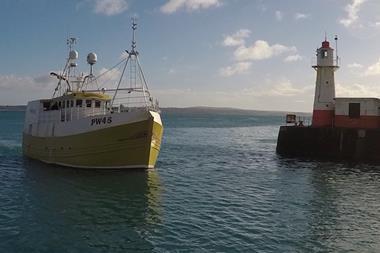



A Swedish partnership is testing an innovative light-guided trawl that could reduce the environmental impact of shrimp fishing while helping fishing businesses remain commercially viable.
The EU-funded ‘Light Trawling’ project comes as debate intensifies over proposals to ban bottom trawling in Sweden’s marine protected areas.
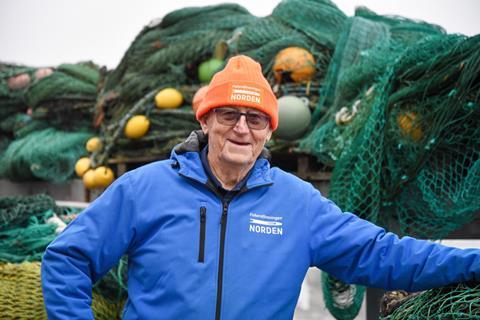
Bringing together Sotenäs Municipality, fishing association FF Norden and Chalmers Industriteknik, the initiative aims to determine whether lights can guide shrimp into fishing gear without the trawl touching the seabed.
Instead of dragging heavy equipment across the ocean floor, the prototype uses underwater lights to attract shrimp upwards into the net. Developers believe the approach could reduce damage to sensitive seabed habitats while also lowering fuel consumption and equipment wear because the lighter gear creates less water resistance.
The concept was inspired by similar work in Iceland but is being adapted for Swedish fishing grounds, vessel types and environmental conditions. Trials are examining how currents, water clarity and the positioning of the lighting system affect catch rates and operational performance.
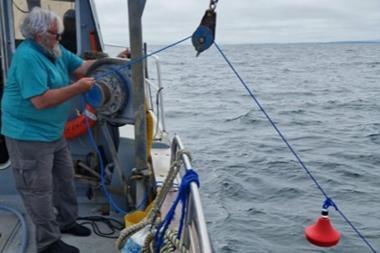
Sixten Söderberg, an 85-year-old fisherman and member of FF Norden, said the industry must embrace new approaches to secure its future.
“We have to start thinking differently when it comes to how we fish,” he said. “The marine environment is in poor condition and finding more sustainable methods is absolutely necessary.”
Söderberg, who has spent more than five decades at sea, said the project demonstrates how practical fishing knowledge can work alongside scientific research.
“Innovation is the way forward,” he continued. “If we want a future for our fishers and the fishery in general, we need to do something.”
The partners acknowledge that refining the technology will require extensive testing before it is ready for commercial use, but say EU funding has enabled development that would otherwise have been too costly and risky.
“We need a living ocean,” Söderberg added. “There must be something left for the next generations, and to ensure this, we need to do things differently.”