


Smart Ocean has highlighted the progress of its Digital Effort Traceability Pilot (DETP), demonstrating how connected ocean technologies are supporting Ireland’s marine spatial planning, sustainable fisheries and offshore renewable energy development through the North Irish Sea Array (NISA) project.
The DETP has been approved as part of NISA’s Sustainable Fisheries Community initiative, which is focused on enhancing and protecting sustainable fishing and the wider marine environment around the proposed offshore wind development.
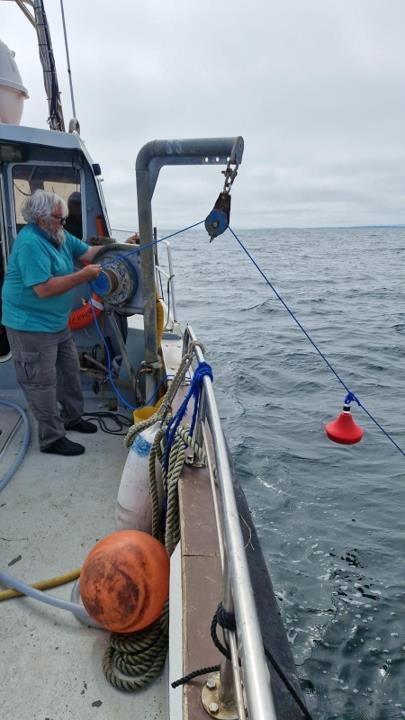
Working alongside NISA and project partners, Smart Ocean is deploying real-time ocean observation, positioning, geofencing and digital monitoring technologies to improve the management of shared marine space.
The project aims to demonstrate how digital tools can help fishing communities and offshore renewable energy developers operate more effectively while supporting evidence-based marine spatial planning.
By providing continuous data on vessel activity and ocean conditions, the system has the potential to improve fisheries operations, strengthen environmental monitoring and enhance coordination between different marine users.
The technology could also help address long-standing data gaps within Ireland’s under-12-metre fishing fleet while creating opportunities for additional applications, including catch traceability and environmental impact monitoring.
Beyond the NISA project, Smart Ocean’s platform is designed to support navigation, situational awareness and offshore decision-making through real-time marine data, offering practical benefits for a wide range of maritime operations.
Smart Ocean has previously been recognised by the European Commission through the BlueInvest Award for Blue Deep Tech & Ocean Observation and selection as one of the EU’s Blue Champions.