


A lack of transparency over the ownership of commercial fishing vessels operating in UK waters is creating significant risks for fisheries governance, according to a new report published by environmental law organisation ClientEarth.
The report, Whose Boat Is This, found that fewer than a quarter of the UK’s largest commercial fishing vessels may have ownership structures that are transparent enough to clearly identify their ultimate beneficial owners (UBO).
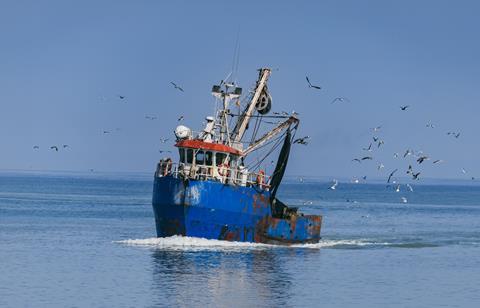
The organisation argues that current regulations allow vessel owners to operate through complex corporate arrangements and shell companies, obscuring who ultimately controls fishing operations.
“The core problem is simple: the government does not publicly identify who really owns many of the vessels commercially fishing UK waters to a clear and satisfactory extent,” said Kyle Lischak, head of UK at ClientEarth.
“This lack of transparency around vessel ownership, which limits accountability, allows for unlawful fishing practices to potentially occur.”
ClientEarth says the regulatory gap undermines the UK’s reputation as a global leader in ocean governance and fisheries transparency. While Britain supports international initiatives aimed at tackling illegal, unreported and unregulated fishing, the report argues that domestic rules do not require comprehensive disclosure of vessel ownership.
The organisation warns that unidentified ownership could conceal links to organised crime, sanctions evasion, illicit financial flows or hostile actors operating through offshore jurisdictions.
“At a time of focus on domestic security, the UK cannot fully account for who is exploiting its marine resources,” Lischak said.
The report also highlights potential impacts on law-abiding fishers, who may face unfair competition from operators whose ownership remains hidden.
“Law-abiding UK fishers may be left competing with operators who do not play by the same rules,” Lischak added.
ClientEarth is calling on the UK and devolved governments to require UBO disclosure during vessel registration and licensing, strengthen enforcement and establish a public ownership register.
“These reforms would strengthen enforcement, protect UK fishers, and build public trust,” said Lischak. “The solution is practical and achievable with existing tools.”